What Does AML Mean in Cryptocurrency
AML stands for anti-money laundering. In crypto, AML refers to the processes and tools used to detect whether digital assets have been involved in illegal or high-risk activity. Unlike traditional banking, where AML is enforced by regulated institutions, crypto AML relies on blockchain analytics, transaction history tracking, and risk scoring algorithms. These systems examine wallet addresses, transaction patterns, and connections to known illicit sources. When you perform an AML crypto check, you're querying a database that flags addresses linked to mixers, darknet markets, ransomware, theft, or sanctioned entities. The goal is to identify dirty crypto—coins that carry compliance risk—before they enter your wallet or exchange account.
How AML Risk Scoring Works for Crypto Wallets
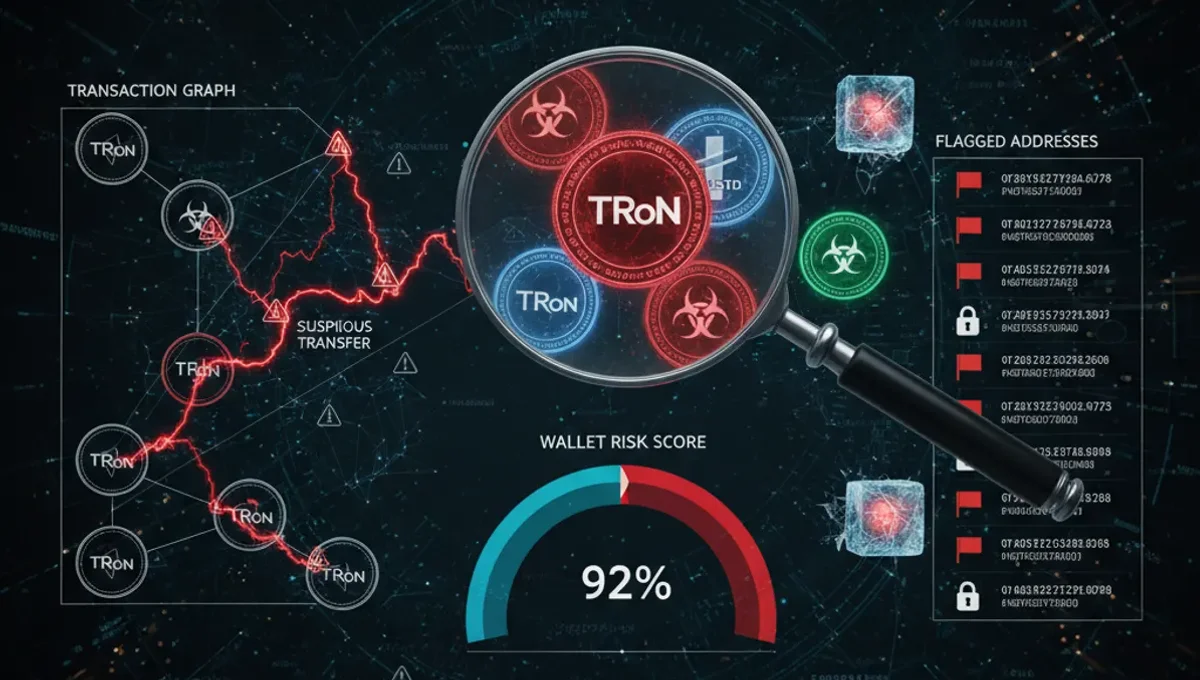
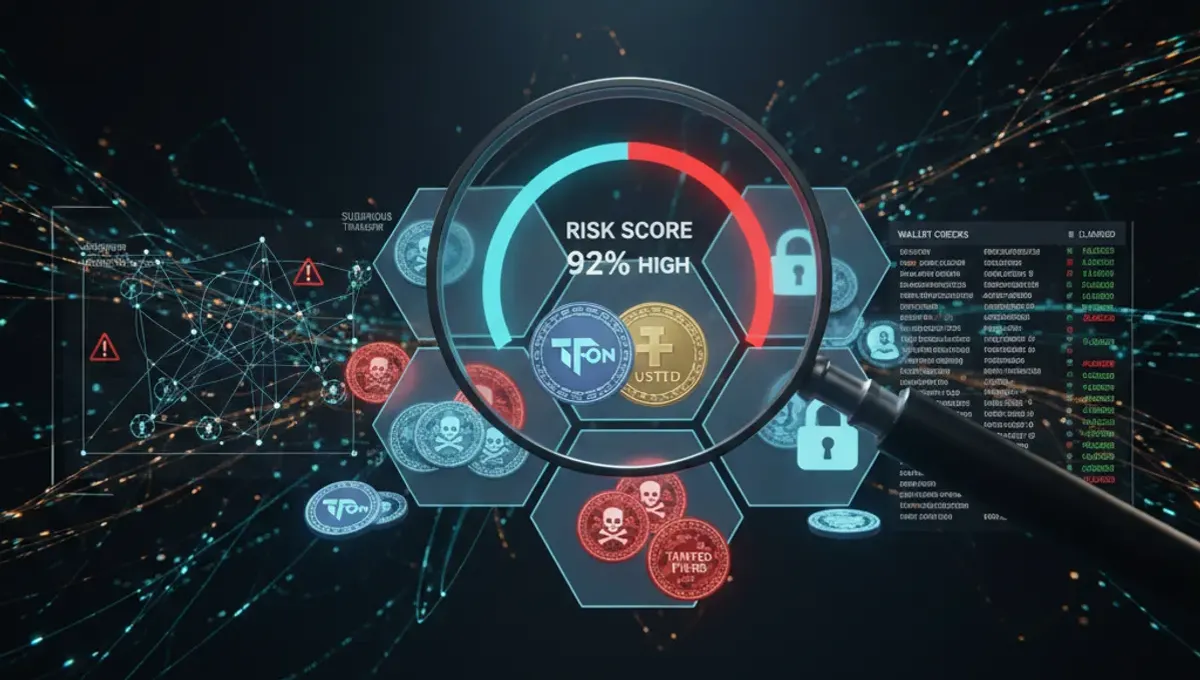
An AML risk score is a numerical rating that indicates the likelihood a wallet or transaction is connected to illegal activity. Scores typically range from 0 to 100, where 0 means very low risk and 100 means very high risk. Risk scoring algorithms analyze several factors: transaction history with known illicit addresses, connections to mixers or tumblers, darknet marketplace exposure, stolen fund indicators, and sanctions list matches. A wallet that has only received coins from legitimate exchanges and peer-to-peer transfers will score low. A wallet that has received funds from a known mixer or ransomware address will score high. Most exchanges consider scores above 50–70 as requiring investigation, and scores above 80 often trigger account freezes or transaction blocks. Understanding your risk score threshold helps you decide whether to accept or reject incoming crypto.
What Is a Red Flag in AML Crypto Checks
Red flags in AML crypto checks are indicators that a wallet or transaction carries compliance risk. Common red flags include: coins originating from known mixers or tumblers; direct links to darknet market wallets; connections to ransomware or theft incidents; addresses flagged on sanctions lists (OFAC, EU, UN); rapid movement between high-risk addresses; and large, sudden transactions from unknown sources. A single red flag does not automatically mean coins are stolen, but it signals that the wallet has touched high-risk activity. For example, a wallet that received coins from a mixer may have done so for privacy reasons unrelated to crime, but exchanges typically treat mixer exposure as a compliance concern. When checking a Tron address or USDT wallet, red flags appear in the AML report and contribute to the overall risk score. Identifying red flags before accepting coins prevents you from inadvertently receiving dirty crypto.
How to Check a Crypto Wallet for AML Risk Before Receiving Coins
Checking a wallet's AML risk before accepting crypto is straightforward. First, obtain the wallet address you plan to receive from—this could be a TRX address, USDT address on Ethereum or Tron, or a BTC address. Second, visit a trusted AML check service (our curated list of verified AML services on this site provides reliable options). Third, paste the wallet address into the checker and run the scan. The service will return a risk score, flag any red flags, and provide a transaction history summary. Fourth, review the report: look at the risk score, check for darknet or mixer exposure, and verify whether the address appears on sanctions lists. Fifth, decide whether to accept the coins based on your risk tolerance and exchange requirements. Most exchanges require a risk score below 50–70 for deposits; if the score is higher, request the sender use a different wallet or decline the transaction. This process takes minutes and protects you from frozen accounts and compliance issues.
What Happens When USDT or Crypto Is Flagged as Tainted
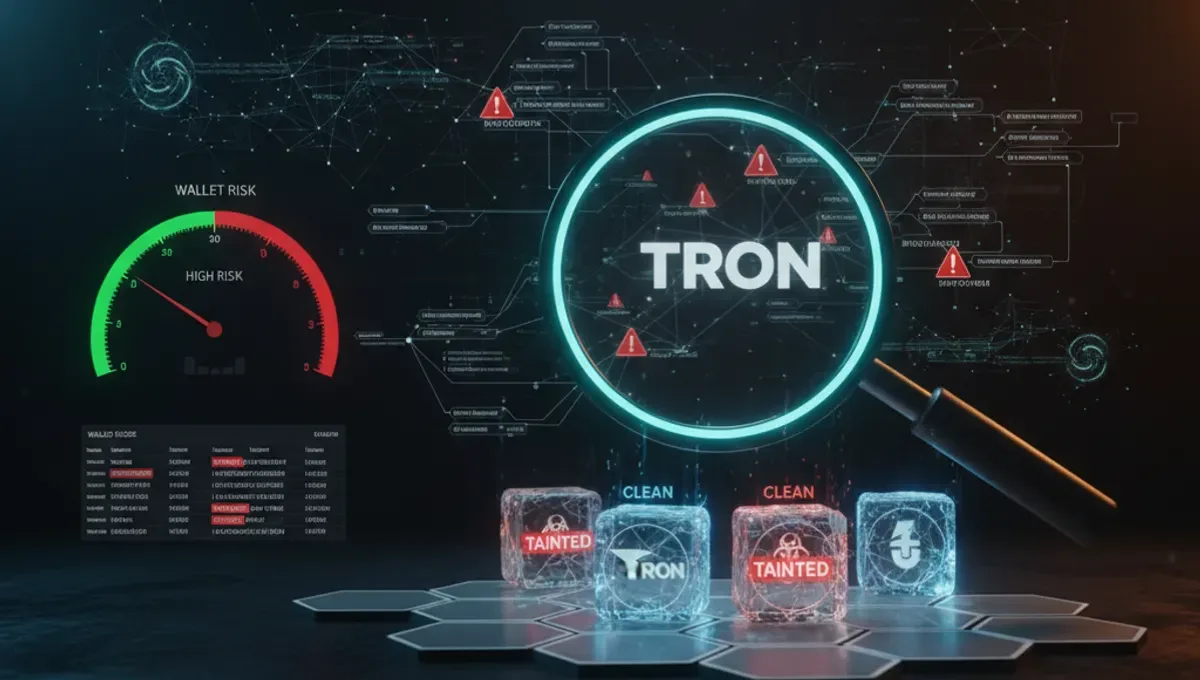
When crypto is flagged as tainted—meaning it has a high AML risk score or clear links to illicit activity—several consequences can occur. If you deposit tainted USDT or TRX into an exchange, the exchange's compliance system may flag the transaction and freeze your account pending investigation. During a freeze, you cannot withdraw, trade, or move funds. The exchange may request proof of the coin's origin or ask you to explain why you accepted high-risk crypto. In some cases, exchanges permanently close accounts associated with tainted coins. Additionally, if the coins are directly linked to theft or ransomware, law enforcement may seize them. Tainted coins can also be rejected by merchants or services that perform AML checks. The best protection is to check wallet addresses before receiving crypto and decline transactions from high-risk sources. If you have already received tainted coins, contact your exchange's compliance team immediately and provide documentation of the transaction.
AML Check Crypto: Acceptable Risk Score Thresholds and Best Practices
Acceptable AML risk score thresholds vary by exchange and jurisdiction, but general guidelines help. A score of 0–20 is considered very low risk and is accepted by all major exchanges. A score of 20–50 is low to moderate risk; most exchanges accept these, though some may require additional verification. A score of 50–70 is moderate to high risk; many exchanges flag these for review or reject them outright. A score above 70 is high risk and typically results in transaction rejection or account freezing. Best practices include: always perform an AML crypto check before accepting large transfers; use services from our verified AML services list for consistent, reliable results; document the AML report for your records; avoid wallets with mixer or darknet exposure; and educate yourself on what red flags mean. If you are receiving crypto from a business partner or client, request they use a wallet with a low risk score. If you are sending crypto, ensure your own wallet has a clean history to avoid causing compliance issues for the recipient.
Why Check a Tron Address or USDT Wallet Before Transactions
Tron addresses and USDT wallets are frequent targets for compliance checks because USDT is widely used in commerce and Tron is a low-cost blockchain. Checking a Tron address for AML risk is essential because Tron's speed and low fees make it attractive for both legitimate and illicit activity. USDT, being a stablecoin, is often used to move value quickly, making it a focus for compliance monitoring. Before accepting USDT on Tron (TRC20) or Ethereum, verify the sender's wallet address using an AML check service. Look for red flags specific to Tron: connections to known Tron-based mixers, darknet market wallets on Tron, or addresses flagged by Tron Foundation. Similarly, for USDT on Ethereum, check whether the wallet has interacted with high-risk protocols or addresses. Exchanges like Binance, Kraken, and others perform automatic AML checks on incoming USDT and Tron deposits, so performing your own check beforehand prevents rejection and account issues. This is especially important if you are a merchant or business accepting crypto payments.
Frequently asked questions
What is the difference between AML and KYC in crypto
AML (anti-money laundering) focuses on detecting illicit activity in transactions and wallets after they occur. KYC (know your customer) is the process of verifying a user's identity before they access a service. Exchanges use both: KYC to verify who you are when you sign up, and AML to monitor your transactions and incoming deposits for compliance risk.
Can I receive crypto from a wallet with a high AML risk score
Technically yes, but it carries risk. If you deposit high-risk crypto into an exchange, your account may be frozen pending investigation. Your exchange may reject the deposit or require you to prove the coin's origin. To avoid compliance issues, decline transactions from wallets with AML risk scores above 50–70, depending on your exchange's policy.
How do AML services detect darknet exposure in a wallet
AML services use blockchain analytics to track transaction history. They compare wallet addresses against known darknet market wallets, mixer addresses, and illicit marketplace databases. If a wallet has received coins directly from or sent coins to a known darknet address, the service flags it as darknet-exposed. This exposure contributes to a higher AML risk score.
What should I do if my crypto wallet is flagged as high risk
First, review the AML report to understand which red flags triggered the high score. If the flag is incorrect or based on old activity, contact the AML service or your exchange's compliance team with documentation. If the flag is accurate, consider using a new wallet for future transactions. Avoid depositing flagged crypto into exchanges, as it may result in account freezes.
Are free AML crypto checks reliable
Free AML checks provide basic risk scoring and flag obvious red flags like mixer or darknet exposure. However, they may have limited transaction history depth or slower updates. For critical transactions or large amounts, use paid services from our verified AML services list, which offer more detailed analysis and real-time monitoring.