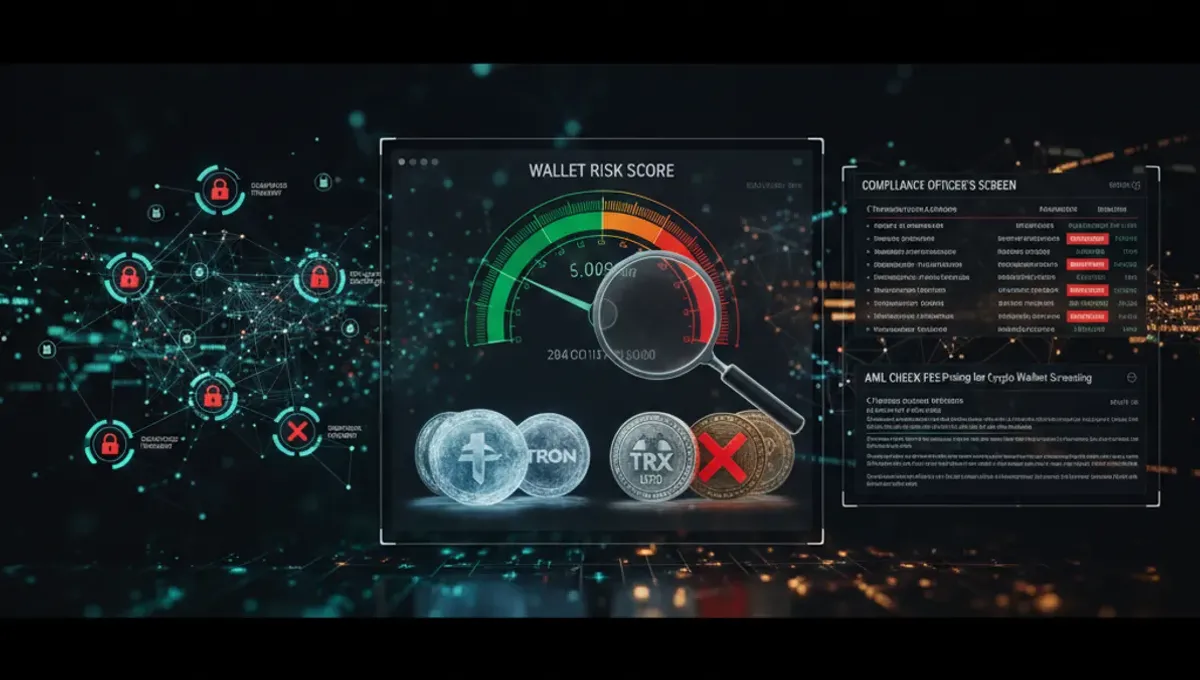
What Is an AML Fee and Why Do Services Charge Them?
An AML fee compensates blockchain analytics companies for the infrastructure, data licensing, and compliance expertise required to screen crypto addresses. These services maintain databases of known risk indicators—sanctions lists, darknet market wallets, mixer outputs, stolen funds, and scam addresses—and cross-reference incoming transactions against them. The cost of maintaining and updating these databases, plus the computational power needed to analyze transactions on-chain, is passed to users as an AML check fee. Some platforms charge per transaction, others per address, and some offer monthly subscriptions. The fee structure reflects the depth of analysis: a basic risk score might cost less than a detailed report including transaction history and entity matching.
How Does AML Check Fee Pricing Work?
Pricing models for AML checks fall into three main categories. Pay-per-check services charge a flat rate for each address screened, typically ranging from a few cents to several dollars depending on the depth of analysis. Subscription models charge a monthly or annual fee for unlimited checks or a set number of scans, useful for businesses processing many transactions. Free tiers exist but usually include limited data—a basic risk score without detailed transaction tracing or darknet exposure details. Enterprise plans offer custom pricing for high-volume users, API access, and dedicated support. When evaluating AML check fees, consider whether you need one-time screening or ongoing monitoring, how many addresses you'll check monthly, and what level of detail your compliance requirements demand.
AML Check Fee Comparison: Free vs. Paid Services
Free AML checks typically provide a basic risk score and flag obvious red flags like sanctions list matches or known mixer outputs, but lack detailed transaction history or entity attribution. Paid services unlock deeper analysis: full transaction tracing, wallet clustering, darknet market detection, and custom risk thresholds. A single paid AML check might cost between $0.50 and $5, while monthly subscriptions range from $20 to $500 depending on check volume and features. For occasional users checking a few addresses, free tools or pay-per-check services make sense. For exchanges, payment processors, or businesses handling frequent USDT or TRX transfers, a subscription model usually offers better value. Our curated list of verified AML services on this site includes options across all pricing tiers, making it easier to compare what you get for each AML fee.
AML Check Fee for Specific Blockchains: TRX, USDT, and BTC
Fees for checking Tron (TRX) and USDT addresses are often identical to Bitcoin or Ethereum checks, since the service cost depends on analysis depth rather than blockchain. However, some platforms price by transaction volume or address complexity. Checking a simple USDT transfer on Tron might cost less than analyzing a wallet with hundreds of transactions across multiple chains. Bitcoin addresses, given the longer history and larger transaction volumes, sometimes incur slightly higher fees. The AML check process for TRX and USDT typically includes screening against sanctions lists, mixer detection, and scam database matching. When choosing a service, verify that it supports the specific blockchain and token you need to check—not all platforms cover all chains equally. Comparing AML check requirements across your use case helps determine whether a flat fee or tiered pricing model suits you best.
What Does an AML Check Fee Include?
A standard AML check fee covers a risk score, sanctions list screening, and flagging of known darknet or mixer-associated addresses. Premium fees unlock additional features: detailed transaction history, entity clustering (linking related wallets), peer-to-peer risk scoring, and custom alert rules. Some services charge extra for API access, bulk checking, or real-time monitoring. The AML check requirements you face—whether from an exchange, regulator, or internal policy—determine which features justify the fee. A basic check might suffice for a one-time peer-to-peer transfer, while a business processing high-volume USDT payments needs transaction tracing and ongoing monitoring. Reading the feature breakdown before paying an AML fee ensures you're not overpaying for unused tools or underpaying for critical compliance data.
How to Minimize AML Check Fees While Staying Compliant
Batch checking addresses reduces per-check costs if you use a subscription or bulk-rate model. Setting risk thresholds means you only deep-dive on flagged addresses, avoiding unnecessary detailed analysis fees. Using free tier checks as a first filter—screening for obvious red flags before paying for premium reports—can cut costs. Choosing a service aligned with your volume matters: high-frequency traders benefit from subscriptions, while occasional users should use pay-per-check. Automating AML checks through API integration often qualifies for volume discounts. Negotiating enterprise rates with providers if you process significant transaction volume can lower the effective AML fee per check. The goal is balancing compliance rigor with cost efficiency; a cheap AML check that misses tainted coins or sanctions exposure creates far larger costs through frozen funds or regulatory penalties.
What Happens If You Skip the AML Check Fee?
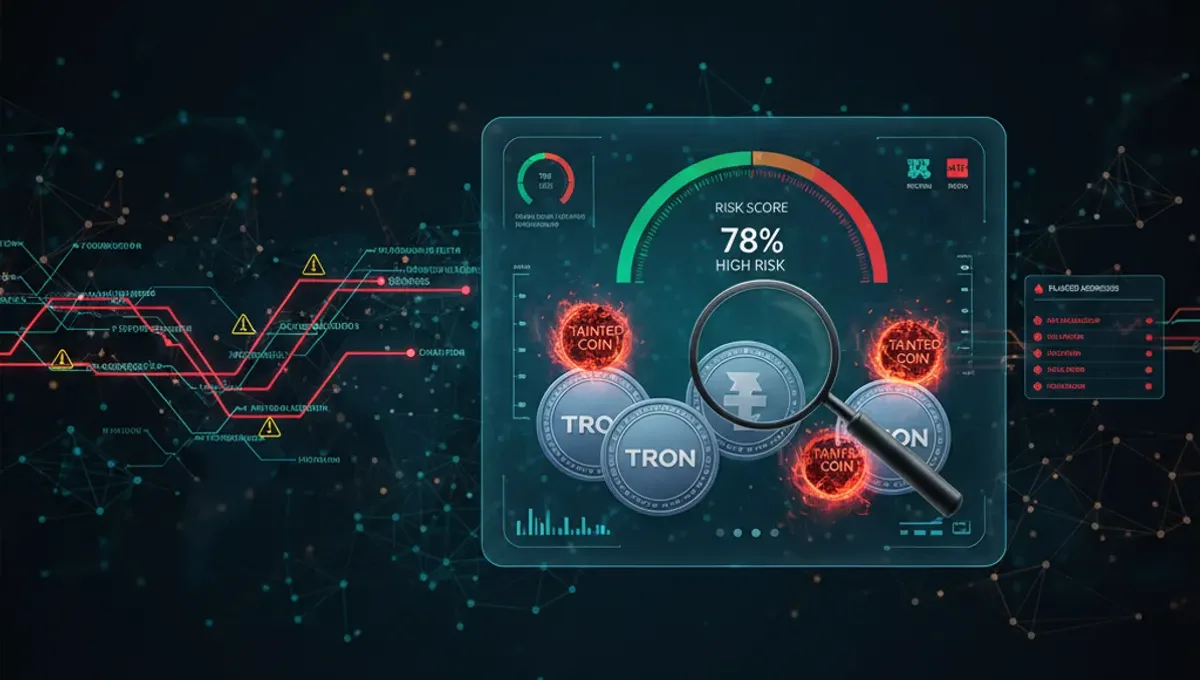
Skipping AML checks exposes you to receiving tainted coins—funds linked to theft, scams, sanctions violations, or darknet markets. Exchanges increasingly freeze USDT and other assets if they detect high-risk transaction history, and your account may face restrictions or closure. Regulatory scrutiny falls on businesses that fail to screen incoming crypto, especially for high-value transfers. Receiving stolen or sanctioned funds can implicate you in money laundering, even unknowingly. The AML check fee, though small, is insurance against these far costlier outcomes. Paying a few dollars per address to verify it's clean is standard practice for anyone handling crypto professionally. Our verified AML services list on this site includes trusted platforms where you can run checks confidently, knowing the fee covers legitimate compliance analysis.
Frequently asked questions
How much does an AML check fee typically cost?
AML check fees range from free (basic risk score only) to $0.50–$5 per address for detailed analysis. Monthly subscriptions cost $20–$500 depending on check volume and features. Enterprise pricing is custom. The fee reflects analysis depth: basic screening costs less than full transaction tracing and darknet detection.
Do I need to pay an AML fee for every crypto transfer?
Not necessarily. Free basic checks cover most peer-to-peer transfers. Businesses and exchanges typically use paid services for compliance. If you're receiving USDT or TRX from unknown sources, a single paid check is worth the cost to verify the funds aren't tainted or flagged.
What's included in a paid AML check fee versus a free one?
Free checks provide a basic risk score and sanctions flagging. Paid fees unlock transaction history, entity clustering, mixer detection, and custom alerts. Premium tiers add API access and real-time monitoring. Choose based on your compliance requirements and transaction volume.
Can I reduce AML check fees by batching addresses?
Yes. Subscription models and bulk-rate plans lower the per-address cost significantly. Setting risk thresholds so you only deep-dive on flagged wallets also cuts expenses. Using free tier checks as a first filter before paying for premium analysis is another cost-saving approach.
What happens if I receive tainted coins and didn't pay for an AML check?
Exchanges may freeze your USDT or other assets if they detect high-risk transaction history. Your account could face restrictions or closure. Regulatory penalties and reputational damage follow. The AML check fee is cheap insurance against these far costlier outcomes.