What Does an AML Check Fee Cover
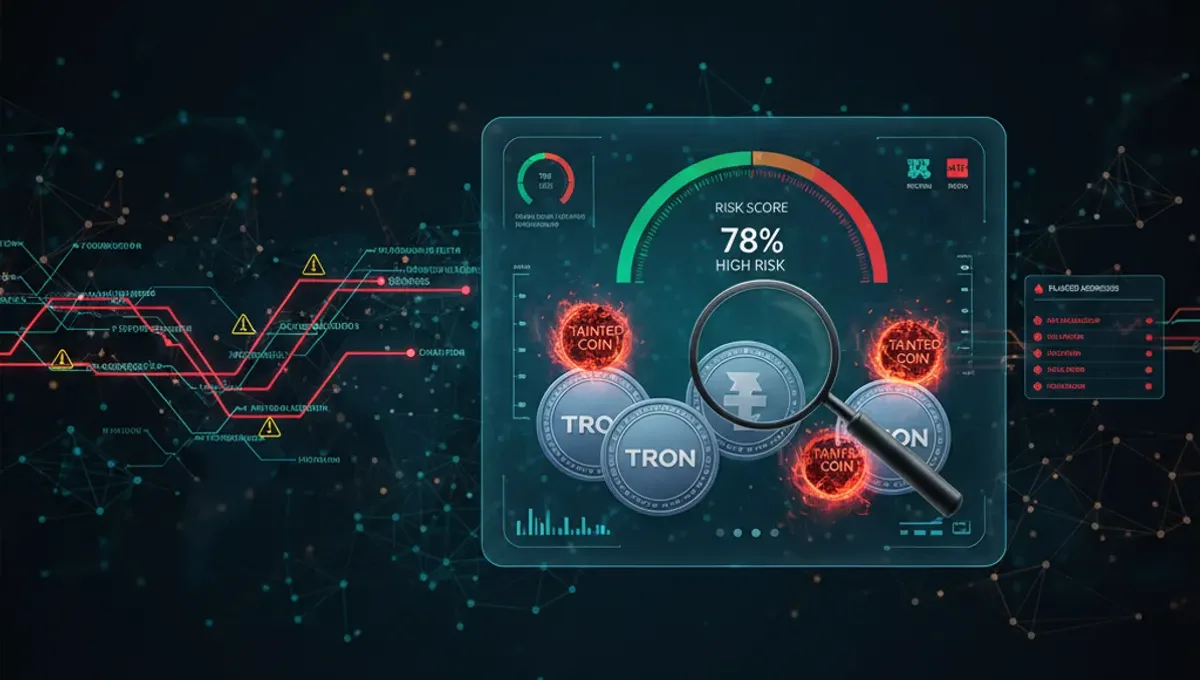
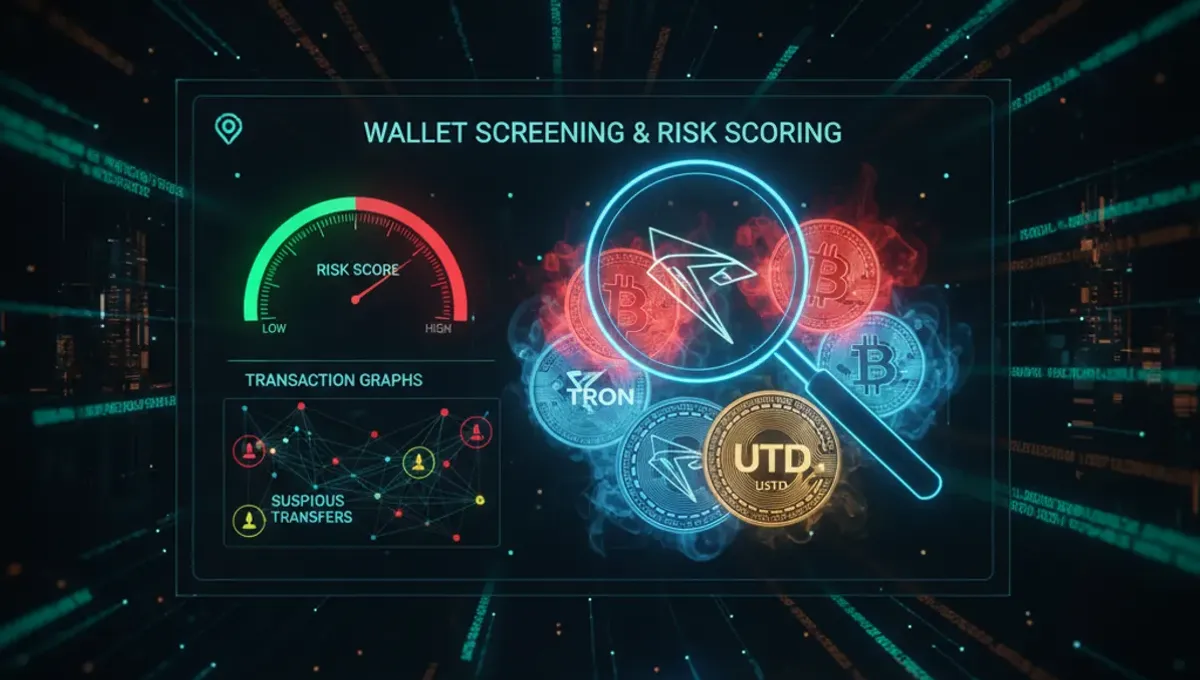
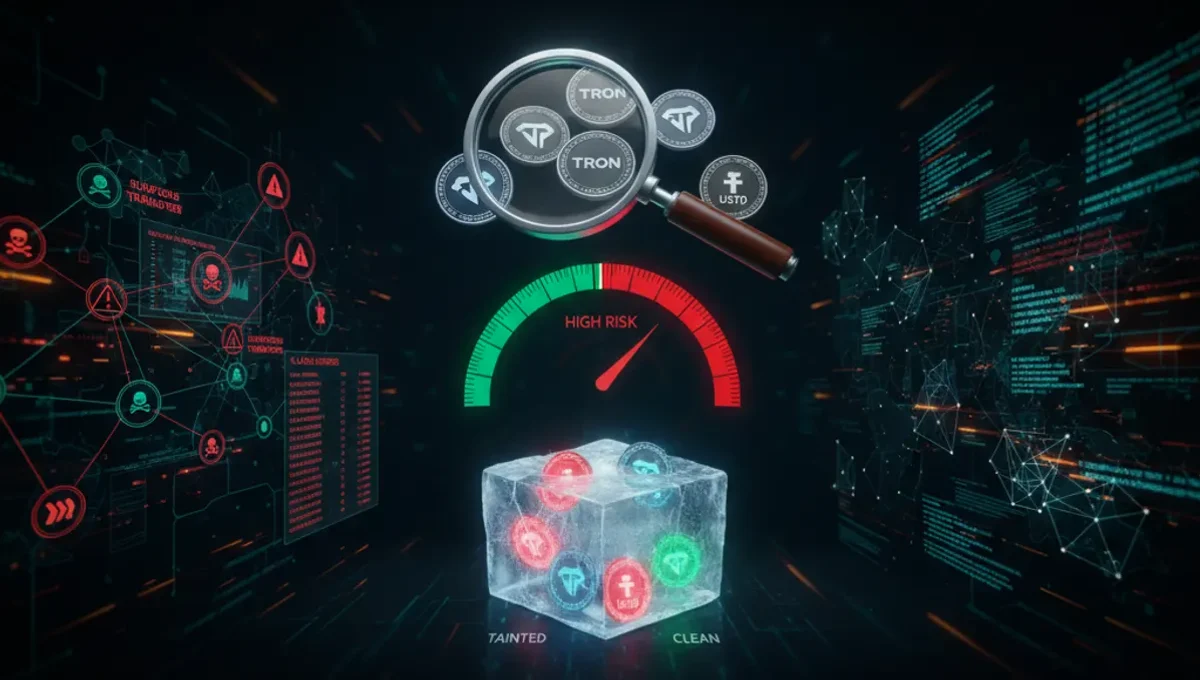
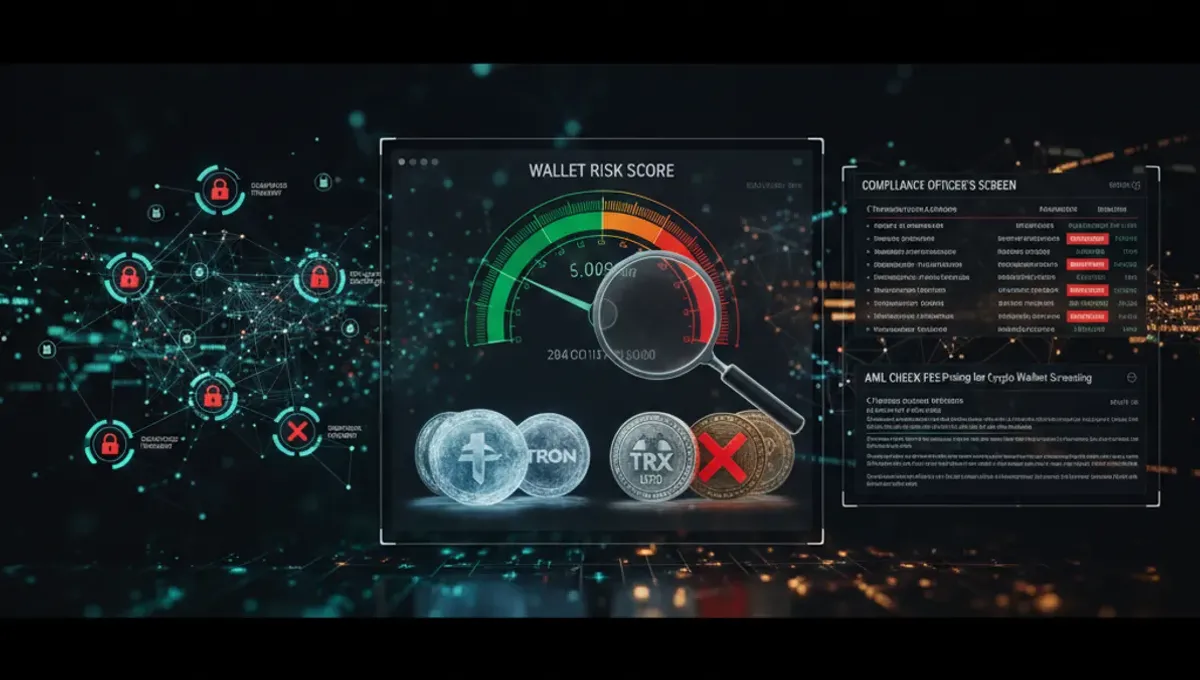
An AML check fee typically covers several components of wallet risk assessment. The core service includes a risk score calculation based on transaction history, address clustering, and behavioral analysis. Tainted coin detection flags coins that have passed through mixers, darknet markets, scams, or sanctioned entities. Sanctions screening cross-references wallet addresses against OFAC and other regulatory lists. Darknet exposure analysis identifies whether funds have interacted with known illegal marketplaces. Some services also provide transaction monitoring, which tracks ongoing activity on a wallet over time. The fee structure reflects the computational cost of blockchain analysis, data maintenance, and compliance infrastructure. Higher-tier fees often unlock API access, batch processing, and detailed forensic reports suitable for exchanges and financial institutions.
How AML Check Pricing Models Work
Crypto AML check services use three main pricing models. Per-query pricing charges a fixed fee for each wallet check, typically ranging from a few cents to several dollars depending on blockchain and depth. Monthly subscription plans offer unlimited or tiered checks within a billing period, suitable for businesses that screen wallets regularly. Enterprise and API pricing is custom-quoted for high-volume users, exchanges, and compliance teams that need real-time monitoring and batch processing. Free tiers exist but usually limit checks to one or two per month and provide basic risk scores without detailed reports. Some platforms offer freemium models where basic AML check crypto wallet screening is free, but advanced features like historical transaction analysis or custom alerts require payment. Volume discounts apply when checking multiple addresses or integrating via API.
AML Check Requirements and What They Cost
Regulatory AML check requirements differ by jurisdiction and business type. Exchanges and custodians must perform AML check process on deposits and withdrawals, often using tiered screening based on transaction size. Peer-to-peer traders may only need basic risk scoring before accepting payment. Institutional buyers conducting due diligence on large transfers require comprehensive reports including transaction history, entity mapping, and sanctions cross-reference. The cost of meeting these requirements depends on the depth of analysis needed. A simple AML check tron address or USDT wallet for basic risk might cost under one dollar, while a forensic report for a disputed transaction can run into hundreds of dollars. Compliance teams often budget for ongoing monitoring, which spreads costs across multiple checks. Understanding your specific regulatory obligations helps determine whether a pay-per-check model or subscription is more cost-effective.
Free vs. Paid AML Check Services
Free AML check crypto options provide basic risk scoring and limited transaction history but typically exclude detailed forensic analysis and real-time monitoring. Many platforms offer one free check per month to let users test the service. Paid services unlock faster results, more detailed reports, API access, and priority support. For occasional users checking a single wallet before a transaction, free checks may suffice. For businesses processing multiple wallets daily, subscription or API pricing becomes more economical than paying per query. Free services often have longer processing times and less frequent database updates compared to paid tiers. When evaluating cost, consider not just the fee but also the accuracy of risk scoring, coverage of sanctions lists, and speed of results. Our curated list of verified AML services on this site includes both free and paid options, allowing you to compare features and pricing before committing.
Typical AML Check Fee Ranges by Use Case
Individual traders checking a single wallet before receiving payment typically pay between zero and five dollars per check. Small businesses screening customer wallets for compliance might use monthly subscriptions ranging from fifty to five hundred dollars, depending on check volume. Exchanges and custodians with high transaction throughput negotiate custom API pricing, often structured as per-transaction fees or monthly minimums. Forensic investigations into stolen or disputed funds can cost several hundred to thousands of dollars due to manual analysis and detailed reporting. Real-time monitoring services for ongoing transaction surveillance charge monthly fees starting at several hundred dollars. Batch processing—checking hundreds of addresses at once—usually qualifies for volume discounts. The fee often reflects the blockchain being checked; Bitcoin and Ethereum checks may differ in price due to different data availability and analysis complexity. Tron address AML checks are typically competitively priced due to lower transaction volumes compared to major chains.
How to Choose an AML Check Service by Budget
Start by defining your use case: one-time checks, regular screening, or continuous monitoring. If you check wallets infrequently, per-query pricing or a free tier may be most economical. For regular business use, calculate your monthly check volume and compare subscription costs against per-query fees. Ensure the service covers the blockchains you need—Bitcoin, Ethereum, Tron, and USDT on multiple chains. Verify that the service's risk scoring methodology aligns with your compliance standards and that it includes sanctions screening and darknet exposure detection. Check whether the service offers API integration if you need to embed checks into your workflow. Read reviews and test with a free trial before committing to a paid plan. Our verified AML services directory lists trusted providers with transparent pricing, making it easier to compare fees and features side by side. Prioritize services that provide clear documentation of what their fees cover and how risk scores are calculated.
What Happens If You Don't Pay for Thorough AML Checks
Skipping or underfunding AML checks exposes you to regulatory penalties, frozen accounts, and reputational damage. Exchanges that fail to screen deposits adequately face sanctions violations, account seizures, and license revocation. Receiving tainted coins—whether from mixers, scams, or darknet markets—can result in your own wallet being flagged by other services, making future transactions difficult. If you later discover you've accepted stolen funds, law enforcement may freeze your account pending investigation. Businesses that process high-risk wallets without proper screening face civil liability and criminal charges in some jurisdictions. The cost of a thorough AML check crypto wallet screening is minimal compared to the potential cost of compliance failures. Even a modest subscription to a reliable service provides ongoing protection and documentation of your due diligence efforts. Investing in proper AML check requirements upfront is far cheaper than dealing with frozen USDT, exchange account bans, or legal action.
Frequently asked questions
How much does an AML check cost
AML check fees range from free for basic single checks to several dollars per query. Monthly subscriptions typically cost fifty to five hundred dollars depending on check volume. Enterprise API pricing is custom-quoted. The fee covers risk scoring, tainted coin detection, sanctions screening, and darknet exposure analysis. Choose based on your frequency of use and compliance requirements.
Is there a free AML check for crypto wallets
Yes, many platforms offer free AML checks with limitations. Free tiers usually allow one or two checks per month and provide basic risk scores without detailed reports. Paid tiers unlock faster results, comprehensive forensic analysis, API access, and real-time monitoring. Free checks are suitable for occasional users; businesses benefit from paid subscriptions.
What does the AML check process include
The AML check process includes risk score calculation, transaction history analysis, tainted coin detection, sanctions list screening, and darknet exposure identification. Some services add entity mapping, behavioral analysis, and ongoing transaction monitoring. The depth of analysis depends on the service tier and fee paid. Higher fees typically include more detailed forensic reporting.
Can I check a Tron address for AML risk for free
Yes, several services offer free AML checks on Tron addresses, though usually limited to one or two per month. Free checks provide basic risk scoring and tainted coin flags. Paid services offer faster results, more detailed transaction history, and continuous monitoring. Our verified AML services list includes options for checking Tron addresses at various price points.
Why should I pay for AML checks instead of using free tools
Paid AML check services offer faster processing, more accurate risk scoring, comprehensive sanctions screening, and detailed forensic reports. Free tools often have longer delays and limited database updates. For businesses and exchanges, paid services provide API integration, batch processing, and compliance documentation. The investment protects against regulatory penalties and frozen accounts.