What Is an AML Locator and Why Does It Matter
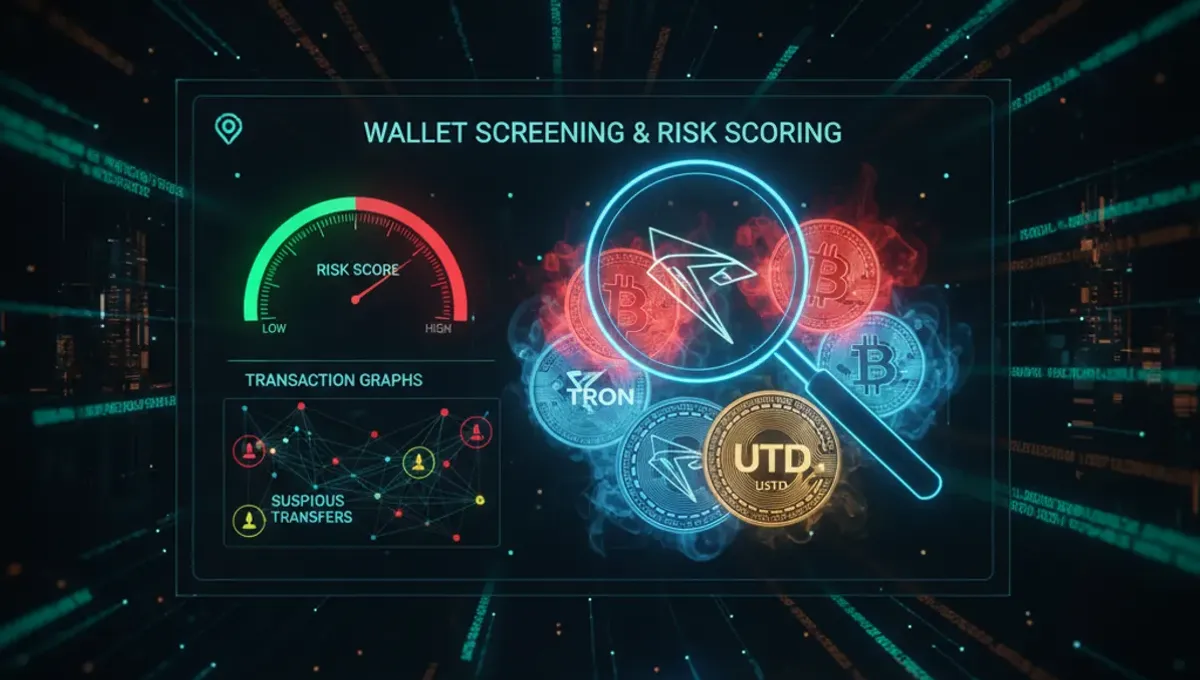
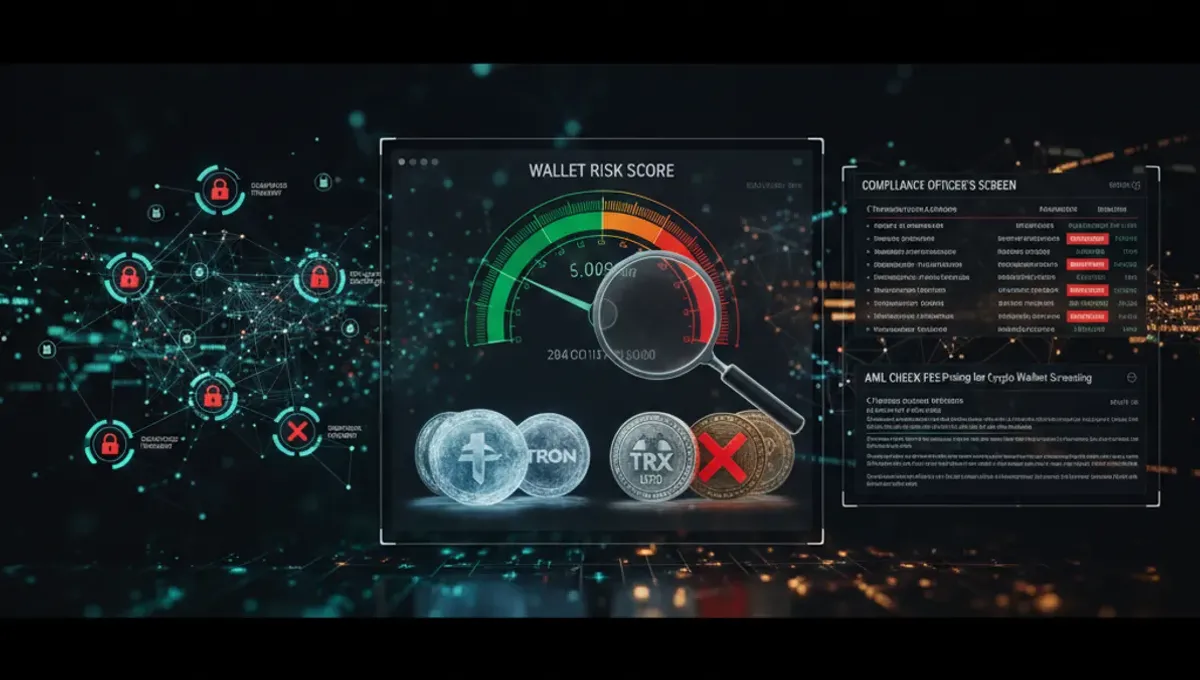
An AML locator is a software service that scans blockchain addresses and transaction histories to detect compliance risks. It cross-references wallet activity against sanctions lists, known darknet markets, theft databases, and mixer services. When you receive cryptocurrency, the source wallet's history matters: if coins come from a ransomware operation, stolen exchange account, or sanctioned entity, your wallet becomes flagged as high-risk. Exchanges may freeze your account or reject withdrawals. An AML locator review helps you understand which platform catches these risks most effectively and at what cost. The tool assigns a risk score—typically ranging from low to critical—based on transaction patterns, wallet age, and exposure to illicit activity.
How AML Check Process and Scoring Work
The AML check process follows a standard workflow. First, you enter a wallet address (TRX, USDT, BTC, or ETH). The locator queries blockchain data and compares it against multiple data sources: OFAC sanctions lists, known mixer addresses, darknet market wallets, and theft reports. The system traces transaction history backward to identify the source of funds. A risk score is then calculated based on exposure levels. Low scores indicate clean wallets with no known illicit connections. Medium scores suggest some exposure to mixers or unverified sources. High and critical scores flag direct links to theft, ransomware, or sanctioned entities. The AML check requirements vary by service: some require only the address, while others ask for transaction amount or intended use. Processing typically takes seconds to minutes.
AML Check Fee Structures and Pricing Models
AML locator services use different pricing models. Some offer free tier checks with limited detail—typically showing only a basic risk level without transaction breakdown. Premium subscriptions unlock full reports, historical analysis, and batch checking. AML check fee ranges vary widely: free tools may cost nothing but provide minimal data; mid-tier services charge per check (often $5–$20); enterprise plans offer unlimited checks and API access for $100–$500 monthly. When comparing services, consider what the AML fee includes: does it cover transaction tracing, sanctions screening, mixer detection, and darknet exposure analysis. Some platforms charge per address, others per report download. Batch checking—screening multiple wallets at once—usually costs less per address than individual checks. Review the pricing page of each service to match your volume and budget.
AML Check Requirements and What Information You Need
To run an effective AML check, you need minimal information. The primary requirement is the wallet address itself—a TRX address, USDT contract address, BTC public key, or ETH address. Some AML locators ask for optional context: the transaction amount, the date received, or the counterparty's identity (if known). This context helps the tool refine its risk assessment. Advanced AML check requirements on enterprise platforms may include API credentials, transaction IDs, or blockchain network specification (mainnet vs. testnet). For personal use, entering just the address is enough to get a risk score and basic report. If you're screening before accepting a large transfer, providing the amount helps the tool assess whether the transaction size matches the wallet's history. No personal identification is required to check a wallet address—blockchain analysis works on public ledger data alone.
Key Risk Categories AML Locators Detect
AML locators flag several risk categories. Mixer exposure indicates coins passed through privacy-mixing services, which obscure transaction trails. Darknet market activity shows wallets connected to known illegal marketplaces. Stolen funds are traced from exchange hacks or theft reports. Ransomware links identify wallets receiving extortion payments. Sanctions violations flag addresses tied to OFAC-listed entities or countries under trade restrictions. Gambling and high-risk merchant connections may also appear. Scam and fraud reports indicate wallets involved in Ponzi schemes or rug pulls. Each category carries different severity: darknet exposure alone doesn't always mean your coins are unusable, but direct theft or sanctions violations almost certainly will trigger exchange freezes. Understanding these categories helps you decide whether to accept a transfer or request alternative payment.
How to Choose an AML Locator: What to Compare
When reviewing AML locator services, compare data sources, coverage, and user experience. Check whether the platform covers all blockchains you use (TRX, USDT on Ethereum, BTC, ETH). Verify that it accesses current sanctions lists and darknet databases—outdated data leads to missed risks. Look at report clarity: does it show transaction chains, risk breakdowns, and remediation steps. Speed matters if you're screening before accepting payment. Ease of use varies: some tools require technical knowledge, others have simple web interfaces. Customer support and documentation help if you hit edge cases. Before committing to a paid plan, test the free tier if available. For a curated comparison of verified AML services, check the AML Services page on this site—it lists platforms that have been reviewed for accuracy, data freshness, and compliance with blockchain standards. Starting there saves time and reduces the risk of choosing an unreliable tool.
What to Do If Your Wallet Gets a High-Risk Score
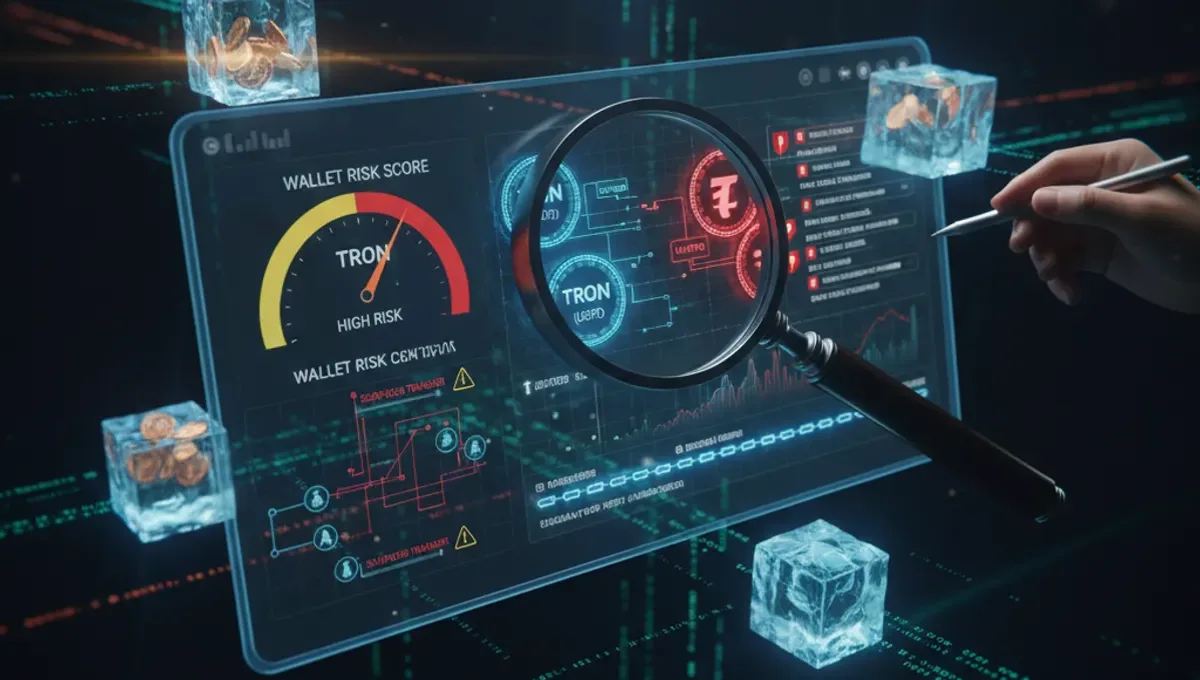
A high-risk AML score doesn't always mean you've done something wrong—it may reflect the wallet's history before you received coins. If you get flagged, first review the detailed report to understand which risk category triggered the score. If it's mixer exposure only, some exchanges may still accept the coins. If it's theft or sanctions, most exchanges will reject or freeze the account. Contact the exchange's compliance team with the report and explain your situation if you received coins unknowingly. Some exchanges allow you to provide proof of legitimate receipt. If coins are permanently flagged, you may need to use a different wallet or exchange. Going forward, request payment from verified sources and always run an AML check before accepting large transfers. The best strategy is prevention: screen addresses before accepting funds, not after.
Frequently asked questions
What does an AML locator do exactly
An AML locator scans a cryptocurrency wallet address and compares it against sanctions lists, darknet databases, theft reports, and mixer services. It assigns a risk score based on transaction history and exposure to illicit activity. The tool helps you identify whether coins are tainted, stolen, or linked to illegal sources before you accept or trade them.
How much does an AML check cost
AML check fees vary by service. Free tiers offer basic risk scores with limited detail. Paid checks typically cost $5–$20 per address. Monthly subscriptions for unlimited checks range from $50–$500 depending on features and API access. Enterprise plans cost more. Compare pricing on the AML Services page to find a tool that fits your budget and volume.
Can I check a wallet for free
Yes, many AML locators offer free checks with basic results—usually a risk level and summary. Free tiers typically lack detailed transaction tracing, historical analysis, and batch checking. If you need full reports or screen multiple wallets regularly, a paid subscription is more practical. Test free options first to see if they meet your needs.
What risk score is acceptable for crypto
Low-risk scores (typically 0–20 on a 100-point scale) indicate clean wallets with no known illicit connections. Medium scores (21–50) suggest minor exposure to mixers or unverified sources but may still be acceptable depending on your exchange's policy. High and critical scores (51+) usually trigger account freezes or rejections. Most exchanges accept only low-risk wallets for large transfers.
How long does an AML check take
Most AML checks complete in seconds to a few minutes. The tool queries blockchain data and cross-references it against databases in real time. Some detailed reports with full transaction tracing may take longer. Speed depends on wallet history complexity and service load. Batch checks of multiple addresses may take slightly longer but usually finish within minutes.