What Is an AML Check for Tron Addresses?
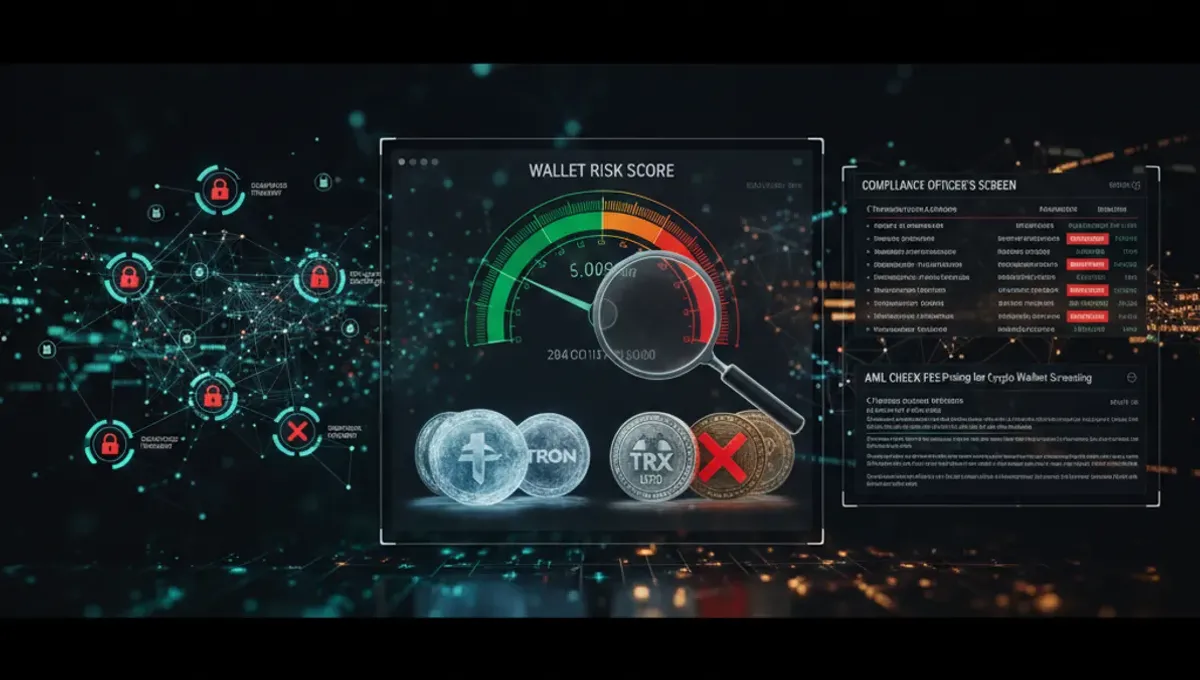
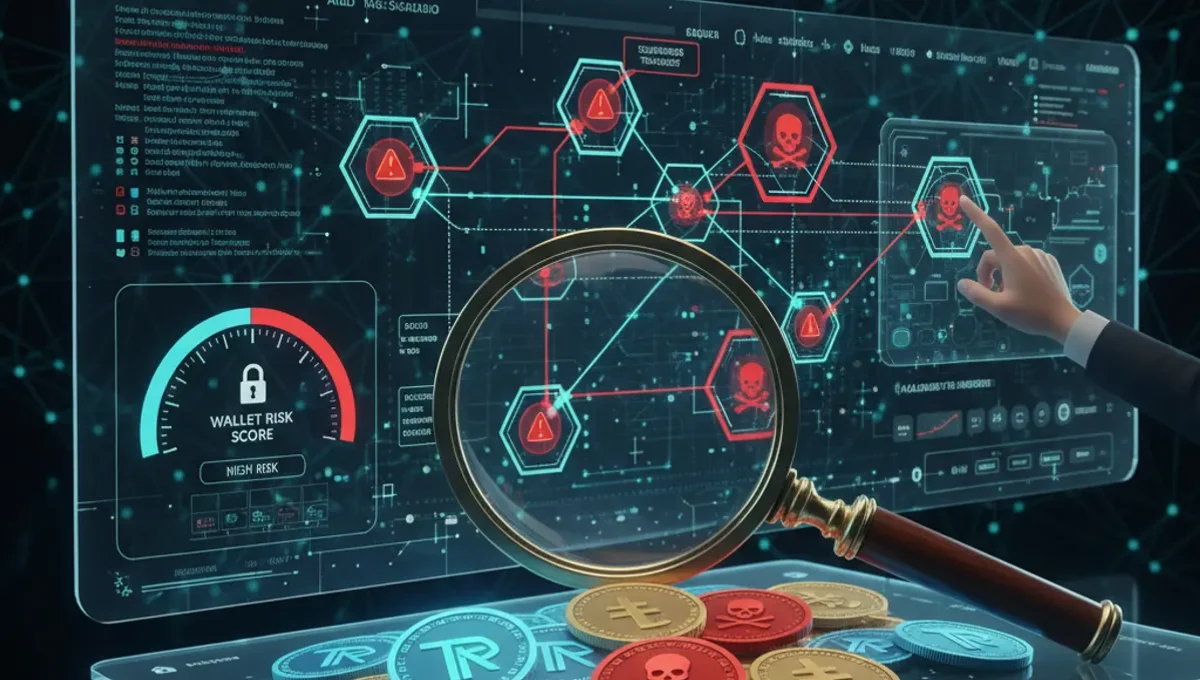
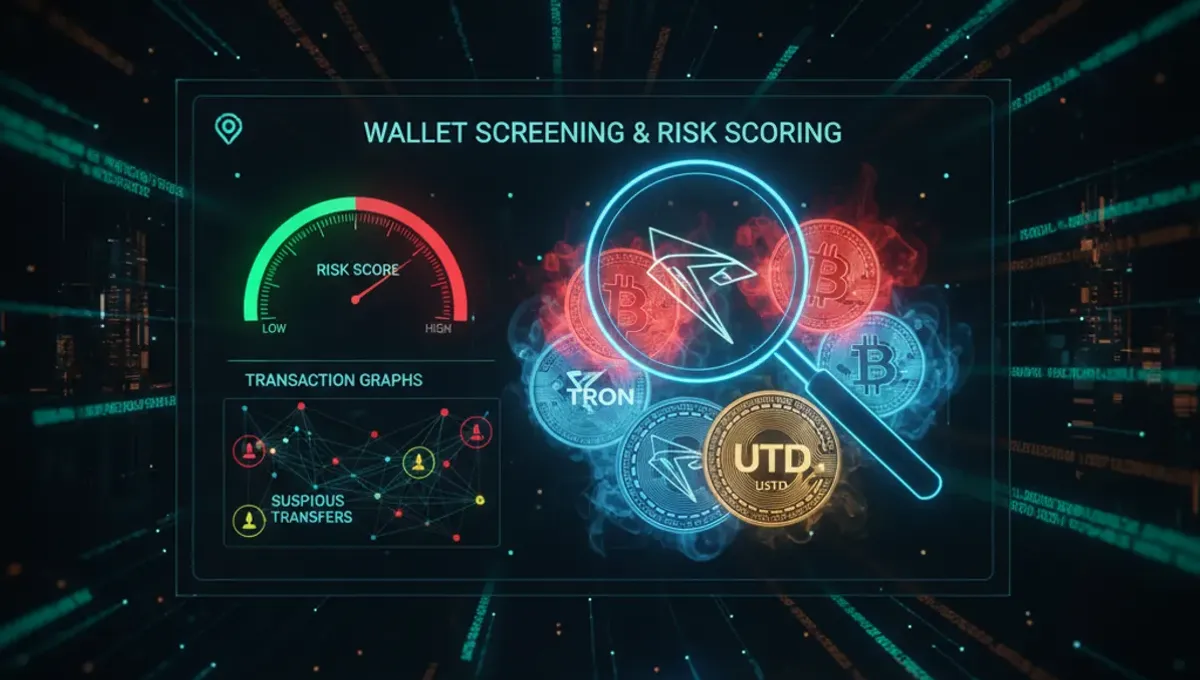
An AML check on a Tron address is a compliance scan that traces the wallet's transaction history on the blockchain and compares it against known risk indicators. The check identifies whether funds have passed through high-risk sources: cryptocurrency mixers, darknet marketplaces, ransomware wallets, theft proceeds, or entities on sanctions lists. Tron (TRX) and Tether (USDT on Tron) are popular targets for compliance screening because they process high transaction volumes and are used for both legitimate and illicit activity. An AML check process typically returns a risk score—a numerical rating that tells you whether the wallet is clean, low-risk, medium-risk, or high-risk. This differs from a simple balance check; it examines the source and history of the coins, not just their quantity.
How Does AML Risk Scoring Work for Crypto Wallets?
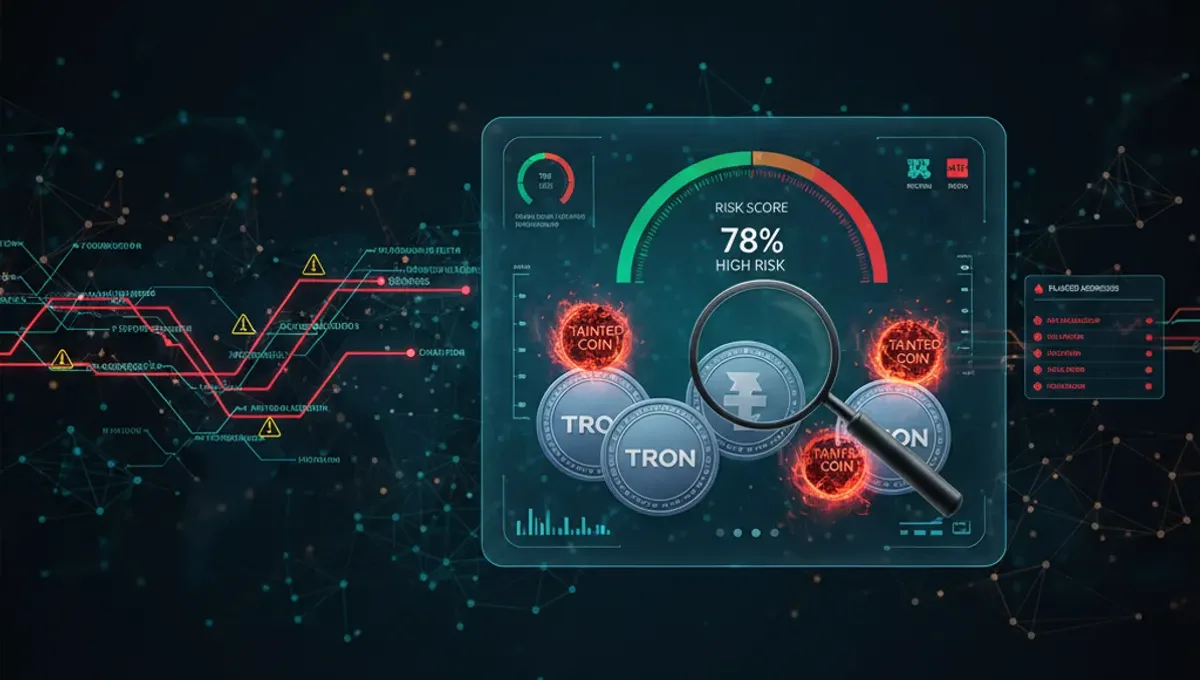
AML risk scoring uses blockchain analytics to assign a numerical value to a wallet based on its transaction patterns and counterparty exposure. The scoring system typically ranges from 0 to 100, where lower scores indicate cleaner wallets and higher scores flag suspicious activity. Risk categories include: mixers (wallets that deliberately obscure transaction trails), darknet exposure (addresses linked to known darknet markets), stolen funds (coins traced to theft or hacks), scam proceeds (wallets receiving funds from Ponzi schemes or fraud), gambling activity (high-frequency casino transactions), and sanctions screening (addresses matching OFAC or other regulatory lists). Each blockchain analytics provider weights these factors differently, so two services may return slightly different scores for the same wallet. The key is understanding what your chosen service considers high-risk and whether that aligns with your compliance requirements.
Step-by-Step: How to Check a Tron Address for AML Risk
To check a Tron address before receiving funds, follow these steps: First, obtain the full TRX or USDT wallet address (it begins with T on Tron). Second, visit a trusted AML check service—our curated list of verified AML services on this site includes providers that screen Tron addresses and return risk scores. Third, paste the address into the service's search field. Fourth, wait for the scan to complete; most services return results in seconds to minutes. Fifth, review the risk score and any flagged categories (mixer exposure, darknet links, theft history, sanctions). Sixth, check the transaction timeline to see when risky activity occurred—older incidents may be less relevant than recent ones. Finally, decide whether the risk level is acceptable for your use case. If the score is high or shows recent darknet exposure, consider declining the transaction or requesting funds from a different wallet.
What Do AML Risk Score Levels Mean?
Risk scores are typically interpreted in bands: 0–20 (very low risk, clean wallet with minimal red flags), 21–40 (low risk, some minor activity but generally acceptable), 41–70 (medium risk, notable exposure to mixers or unverified sources but not necessarily illegal), 71–100 (high risk, significant darknet, theft, or sanctions exposure). The acceptable threshold depends on your context. A retail trader might reject anything above 40, while a compliance officer at an exchange may tolerate scores up to 60 if the activity is old and the wallet has since been dormant. Some jurisdictions or exchanges set their own thresholds; for example, a regulated exchange may automatically freeze deposits from wallets scoring above 75. Always check your exchange's or business partner's compliance policy before accepting a transaction. A high score does not prove criminality—it indicates the wallet has touched risky sources—but it signals you should investigate further or decline.
AML Check Requirements and Compliance Process
AML check requirements vary by jurisdiction and institution. Regulated exchanges typically require AML checks on deposits above a certain threshold (often $1,000 to $10,000 USD equivalent) and may screen all withdrawals. Peer-to-peer traders and businesses handling crypto should perform AML checks as part of their know-your-customer (KYC) and know-your-transaction (KYT) procedures. The AML check process itself is straightforward—you input an address and receive a risk report—but the compliance decision is yours. If you receive USDT or TRX from a flagged wallet and deposit it to an exchange, the exchange's own AML screening may catch the tainted coins and freeze your account pending investigation. This is why checking before receiving is critical. Some businesses require counterparties to provide proof of an AML check; others perform the check themselves. Document your AML check results for audit trails.
What Happens If Your Tron Wallet Is Flagged as High-Risk?
If your Tron address receives a high AML risk score, several outcomes are possible. First, exchanges may flag your deposit and request additional documentation or proof that you acquired the coins legitimately. Second, your account may be temporarily frozen while compliance reviews the transaction history. Third, if the coins are confirmed as stolen or sanctioned, the exchange may permanently ban your account and report the activity to regulators. Fourth, you may be unable to withdraw or trade the flagged funds. To avoid this, do not accept USDT or TRX from wallets with high risk scores. If you already have flagged coins, contact the exchange's compliance team to explain the source; if you can prove the funds are legitimate (e.g., you received them from a known business partner), the freeze may be lifted. In some cases, the coins themselves may be unspendable if they are linked to active theft or sanctions investigations.
Comparing AML Check Services and Fees
AML check services vary in coverage, speed, and cost. Some offer free basic scans with limited detail; others charge per check or require a subscription. The AML check fee typically ranges from free to $5–$20 per address, depending on the service and the depth of analysis. When comparing services, consider: coverage (does it screen Tron, Bitcoin, Ethereum, USDT), speed (seconds vs. minutes), data sources (does it include darknet intelligence, sanctions lists, mixer databases), and reporting detail (risk score only vs. detailed transaction breakdown). Our curated list of verified AML services on this site includes providers that offer transparent pricing and reliable Tron screening. Start there to find a service that fits your compliance needs and budget. Free services often provide a risk score but limited transaction history; paid services typically include detailed reports and API access for businesses.
Frequently asked questions
How much does an AML check on a Tron address cost?
AML check fees vary by service. Many providers offer free basic scans with a risk score; detailed reports or API access typically cost $5–$20 per check or require a monthly subscription. Check our verified AML services list for transparent pricing options.
Can I check a Tron address for free?
Yes, several AML check services offer free scans of Tron addresses, returning a basic risk score and flagged categories. Free checks usually lack detailed transaction history. Paid services provide comprehensive reports. Compare options on our AML services page.
What does a high AML risk score on a TRX wallet mean?
A high score (71–100) indicates the wallet has received or sent funds linked to mixers, darknet markets, theft, scams, or sanctions. It does not prove the wallet owner is guilty, but it signals significant exposure to risky sources. Exchanges may freeze deposits from high-risk wallets.
Will my exchange freeze my account if I deposit USDT from a flagged Tron address?
Possibly. If the USDT you deposit comes from a high-risk Tron wallet, the exchange's AML screening may flag it. Your account may be frozen pending compliance review. To avoid this, check the sender's address before accepting the transfer.
How do I know if a Tron address has been used for darknet activity?
Run an AML check on the address using a blockchain analytics service. The report will flag darknet exposure if the wallet has received or sent funds to known darknet marketplaces. Our verified AML services list includes providers that specialize in darknet detection.