What Is an AML Check for Crypto Wallets?
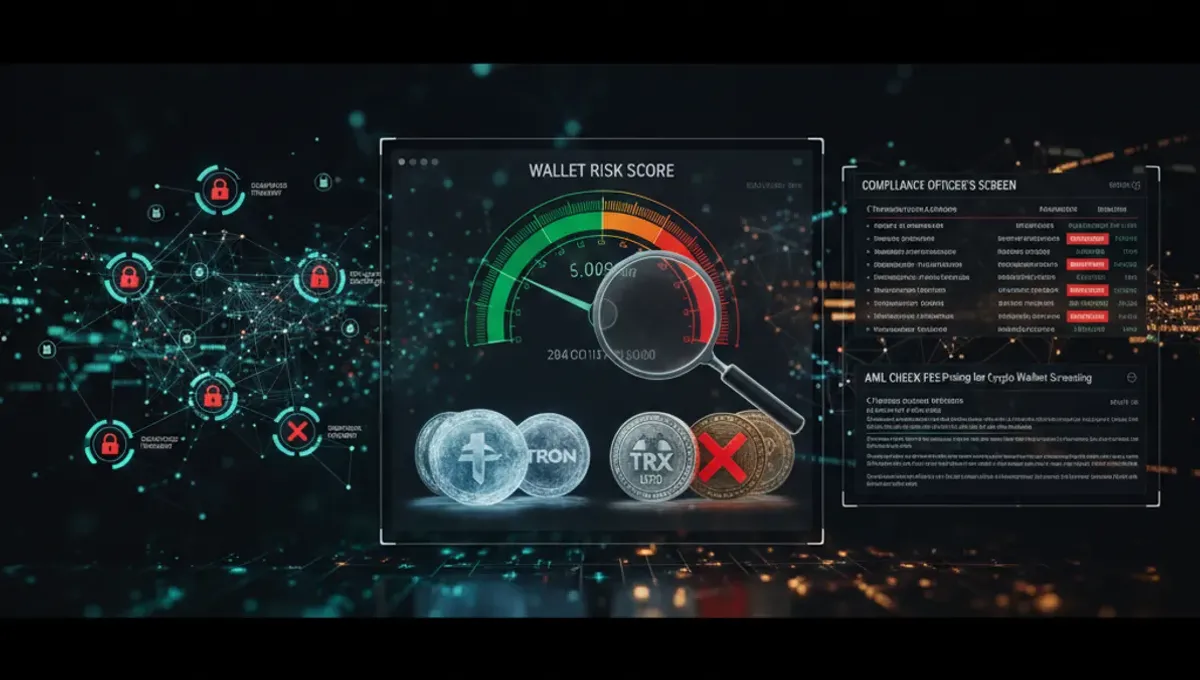
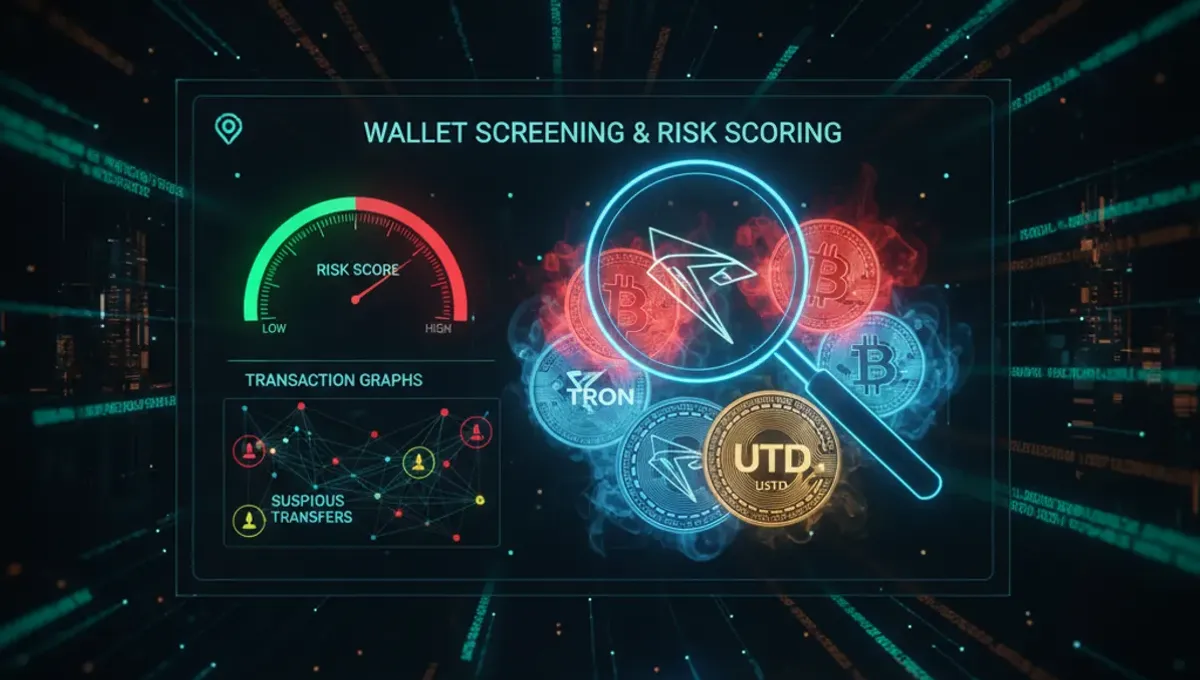
An AML check crypto wallet screening analyzes the transaction history and source of funds for a blockchain address. The check traces where coins came from, whether they passed through high-risk services like mixers or gambling platforms, and whether they were ever associated with darknet markets, theft, or sanctions lists. The result is a risk score—typically ranging from low to critical—that indicates whether the wallet is safe to transact with. Exchanges and payment processors use these checks to comply with financial regulations and avoid processing tainted coins. When you receive USDT on Tron or BTC on any network, the receiving exchange may run an AML check on your deposit address. If the coins fail the check, your deposit can be frozen or rejected, even if you are not the original source of the taint.
How Does AML Risk Scoring Work?
An AML check process assigns a numerical or categorical risk score based on several factors. The scoring examines transaction patterns, wallet age, fund sources, and behavioral indicators. A low-risk score means the wallet has clean transaction history with no known exposure to illicit activity. A medium-risk score flags some exposure to higher-risk services but not necessarily illegal activity—for example, coins that passed through a decentralized exchange or a privacy-focused wallet. A high or critical-risk score indicates direct or recent contact with mixers, darknet markets, stolen fund addresses, or sanctioned entities. The AML check requirements vary by exchange and jurisdiction, but most major platforms reject deposits scoring above a certain threshold. Some services also flag frozen USDT or coins previously seized by law enforcement. The scoring is not a legal judgment; it is a compliance tool that helps institutions manage regulatory risk.
AML Check Requirements: What Triggers a Flag?
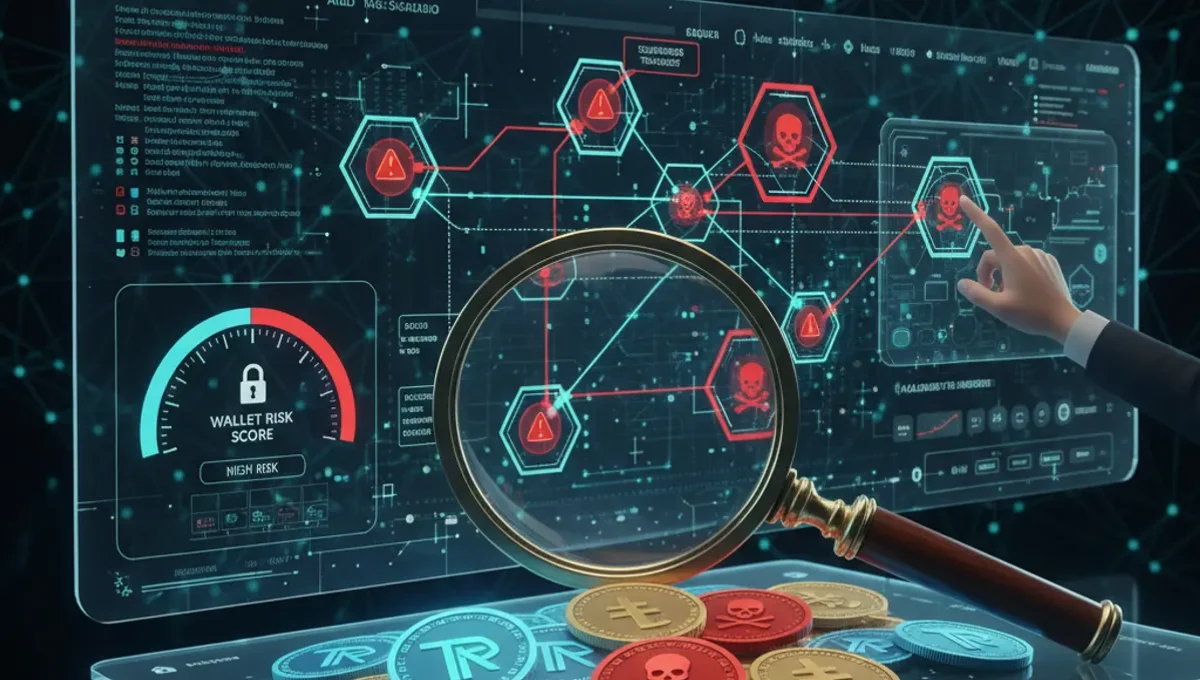
An AML check crypto wallet flags several risk categories. Mixer exposure occurs when coins passed through a service designed to obscure transaction trails. Darknet exposure means the wallet received funds from or sent funds to addresses associated with darknet markets. Stolen funds are coins traced back to theft, hacks, or fraud. Sanctioned entity exposure indicates the wallet is linked to individuals or organizations on government sanctions lists. Gambling and scam exposure flags coins from high-risk gambling platforms or known scam addresses. The AML check fee varies by service—some offer free basic checks with limited history, while premium checks provide deeper analysis and historical tracking. Most exchanges perform AML checks automatically on deposits; you do not need to request one. However, if you want to verify a wallet before sending or receiving funds, you can use a standalone AML check service to see the risk score in advance.
How to Check a Crypto Wallet Before Receiving USDT or TRX
To run an AML check on a wallet address, follow these steps: First, copy the wallet address you want to verify—it can be a TRX address on Tron, a USDT address on Ethereum or Tron, or a BTC address on Bitcoin. Second, visit a trusted AML check service. Our curated list of verified AML services on the AML Services page includes tools that provide instant screening with detailed risk reports. Third, paste the address into the checker and initiate the scan. The service will query blockchain data and cross-reference the address against known risk databases. Fourth, review the risk score and the detailed report, which typically shows transaction history, fund sources, and any flagged connections. If the score is low or acceptable for your risk tolerance, the wallet is generally safe to receive from. If the score is high or critical, consider declining the transaction or requesting clarification from the sender about the fund source. Most AML checks complete in seconds and do not require registration.
Understanding AML Check Risk Score Levels
Risk scores are typically categorized into four or five levels. A low-risk score (0–20 or similar range) indicates minimal exposure to illicit activity and is safe for most transactions. A low-medium score (20–40) suggests some exposure to higher-risk services but no direct connection to illegal activity; most exchanges accept these. A medium-high score (40–70) flags notable exposure to mixers, gambling, or unverified sources; some exchanges may reject or delay these deposits. A high-risk score (70–90) indicates direct contact with darknet markets, theft, or sanctions; most exchanges will freeze or reject these. A critical score (90–100) means the wallet is almost certainly associated with illegal activity or sanctions; exchanges will almost always reject it. Your acceptable threshold depends on your risk tolerance and your exchange's policies. If you receive coins that score above your exchange's threshold, they may be frozen, and your account could face restrictions.
What to Do If Your Coins Are Flagged as Tainted
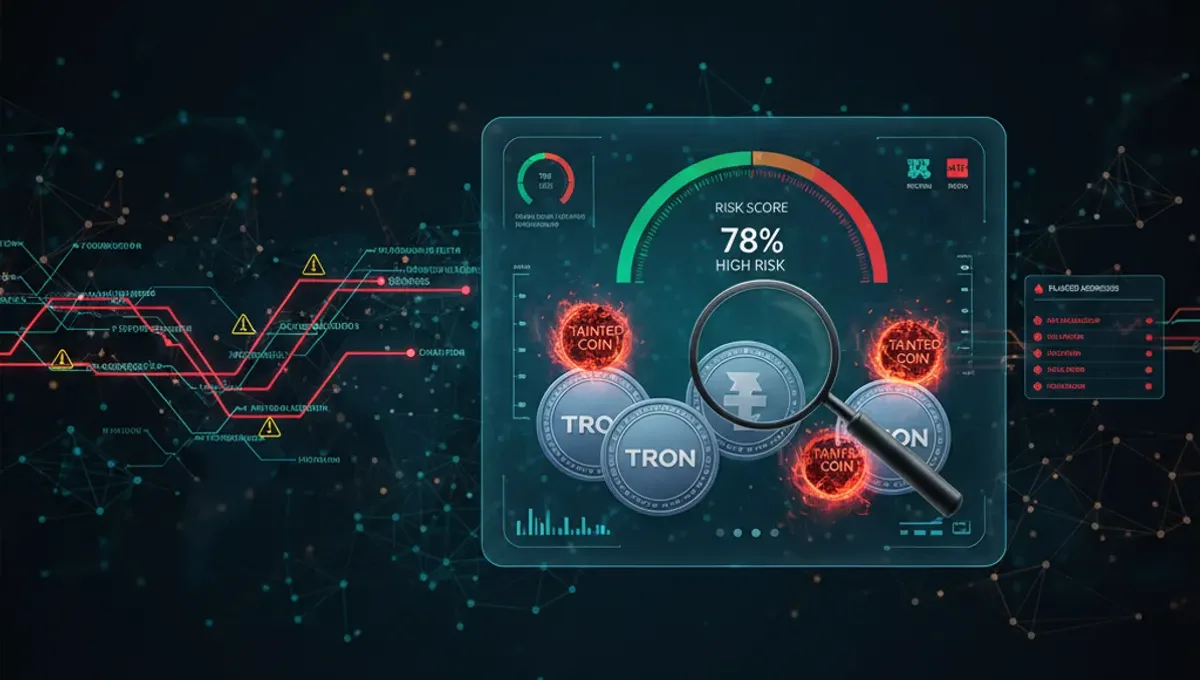
If an AML check flags your coins as tainted or high-risk, your options are limited but worth understanding. First, do not panic; a flag does not mean you committed a crime, only that the coins have a risky history. Second, contact your exchange's support team and ask why the deposit was flagged. Provide context about where you received the coins and any documentation you have. Some exchanges will manually review the transaction and may clear it if they determine the risk is acceptable or the flag is a false positive. Third, if the coins are frozen, ask the exchange about their policy for releasing funds after a review period. Some exchanges hold flagged deposits for 30–90 days before releasing them if no illegal activity is confirmed. Fourth, consider moving the coins to a different exchange or service that has a higher risk tolerance, though this is not guaranteed to work. Fifth, if the coins are permanently rejected, you may need to accept the loss or consult a compliance specialist. To avoid this situation, always verify the source of coins before accepting them and use an AML check service beforehand.
Choosing a Trusted AML Check Service
Not all AML check services are equally reliable. When selecting a tool, look for services that provide transparent methodology, cover multiple blockchains (Bitcoin, Ethereum, Tron), and update their risk databases regularly. Free AML checks often have limited history or lower accuracy, while paid services typically offer deeper analysis and faster results. Some services focus on specific chains—for example, a Tron-specific checker for TRX and USDT on Tron—while others cover all major networks. Before relying on any service, verify that it is used by major exchanges and has a track record of accuracy. Our AML Services page curates verified tools that meet these standards and are trusted by institutional users. Start with a service from that list to ensure you are getting reliable screening. Always cross-reference results if you are making a high-value decision. Some services also offer API access for businesses that need to screen multiple addresses or integrate AML checks into their workflows.
Frequently asked questions
What does AML check crypto mean?
An AML check crypto is a blockchain screening that analyzes a wallet address for exposure to high-risk activity like mixers, darknet markets, stolen funds, or sanctions. It produces a risk score that tells you whether the wallet is safe to transact with. Exchanges use these checks to comply with regulations and avoid processing tainted coins.
How much does an AML check cost?
AML check fees vary by service. Many offer free basic checks with limited history or lower accuracy. Premium checks typically cost between a few dollars and tens of dollars per address, depending on the depth of analysis and the number of blockchains covered. Some services charge per API call for bulk screening.
Can I check a TRX or USDT address for AML risk?
Yes. You can run an AML check on any TRX address on the Tron network or any USDT address on Tron or Ethereum. Use a service that supports the specific blockchain you need. Paste the address into the checker, and it will scan for exposure to mixers, darknet markets, theft, and sanctions within seconds.
What happens if my wallet fails an AML check?
If your wallet scores high-risk or critical, exchanges may freeze your deposit, delay processing, or reject it entirely. Contact your exchange's support team to understand why it was flagged. Some exchanges will manually review and clear the deposit if they determine the risk is acceptable or the flag is incorrect.
How do I avoid receiving tainted coins?
Before accepting a large transfer, run an AML check on the sender's wallet address using a trusted service. Ask the sender about the source of the funds. Use exchanges and wallets that perform automatic AML screening on deposits. Avoid accepting coins from unknown sources or addresses with high-risk histories.