What Is an AML Crypto Check and Why It Matters
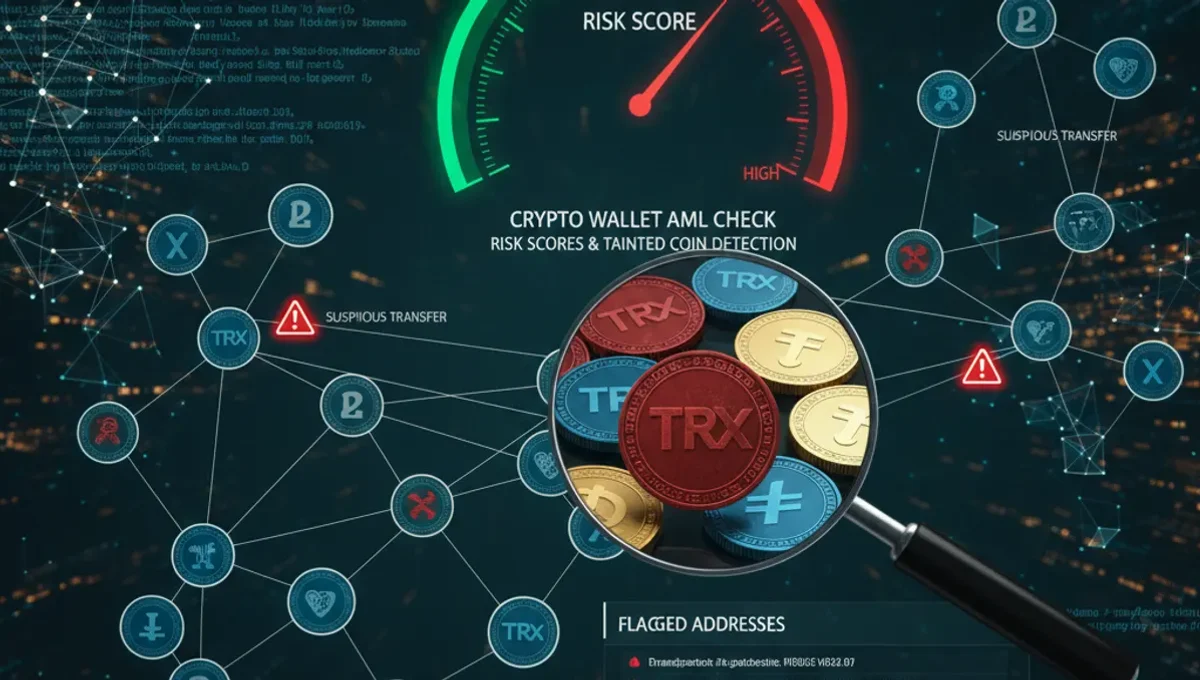
An AML crypto check scans a blockchain address against known risk indicators: mixer usage, darknet market exposure, stolen funds, sanctioned entities, and fraud patterns. Exchanges and custodians use these checks to comply with financial regulations and avoid processing tainted coins. If you receive USDT or BTC from a flagged address, your own wallet may be marked as high-risk, leading to frozen funds, delayed withdrawals, or account suspension. A free AML crypto check lets you verify a counterparty's wallet before a transaction. The check returns a risk score (typically low, medium, or high) and flags specific concerns such as darknet exposure or mixer involvement. This screening is especially critical for peer-to-peer trades, OTC deals, and large transfers where you cannot rely on an exchange's built-in compliance.
How AML Crypto Wallet Check Risk Scores Work
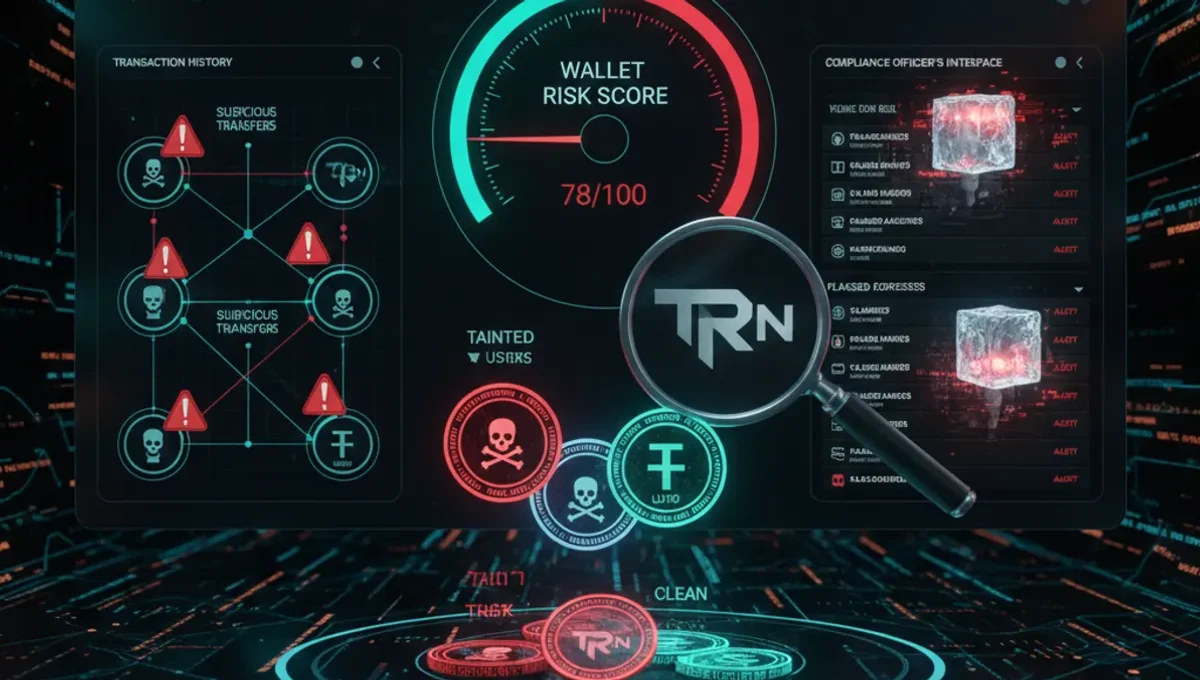
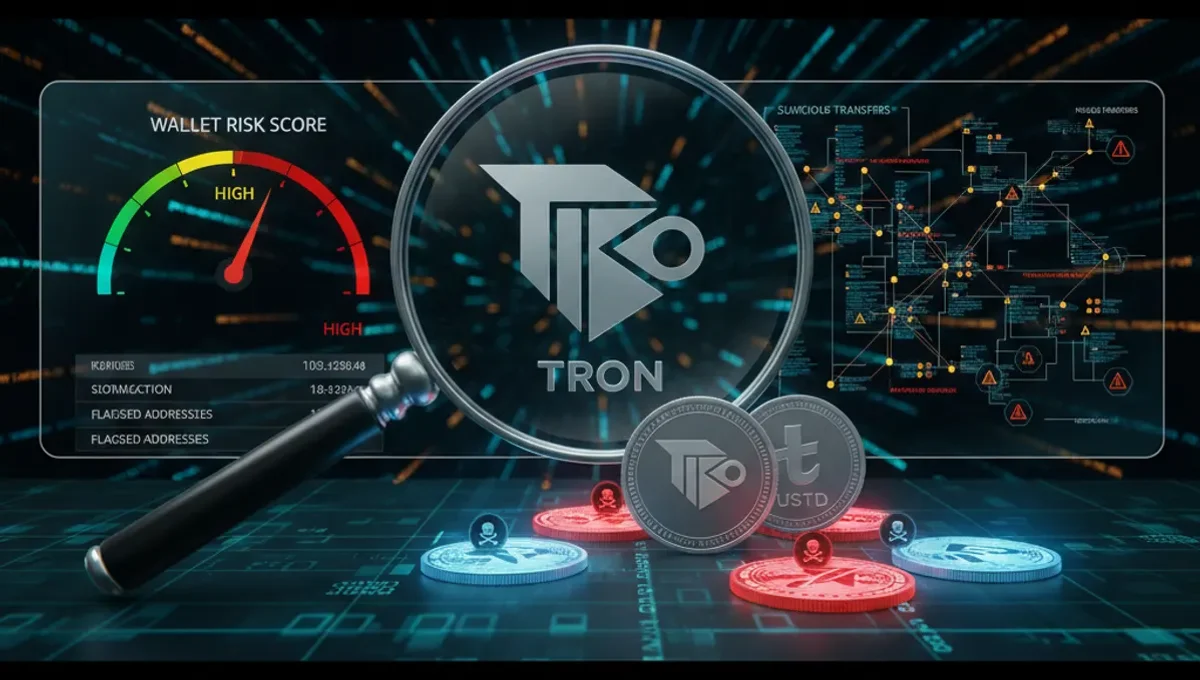
Risk scores quantify the likelihood that a wallet or address has been involved in illicit activity. Most AML services assign scores on a scale (e.g., 0–100 or low/medium/high) based on transaction history, address clustering, and behavioral patterns. A low risk score means the address shows minimal exposure to known bad actors or suspicious activity. A medium score suggests some contact with higher-risk wallets or mixing services but no direct darknet or sanctions links. A high score indicates direct or recent involvement with mixers, darknet markets, scams, or sanctioned entities. The scoring algorithm analyzes the full transaction chain, not just the current address. For example, if a USDT address received funds from a mixer, the risk score reflects that historical connection even if the current holder is legitimate. Understanding these thresholds helps you decide whether to proceed with a transaction or request additional verification from the sender.
How to Check a TRX or USDT Address for AML Risk
Follow these steps to run an AML crypto check on a Tron (TRX) or USDT address:
- Copy the wallet address you want to screen (e.g., a TRC20 USDT address on Tron).
- Visit a trusted AML screening service listed on our verified AML Services page.
- Paste the address into the search field and select the blockchain (Tron, Ethereum, Bitcoin, etc.).
- Review the risk score and detailed report, which typically includes: - Overall risk classification (low, medium, high) - Exposure to mixers or tumbling services - Links to darknet markets or scams - Sanctions list matches - Transaction frequency and volume patterns
- If the score is low or medium with no darknet flags, the address is generally safe to receive from.
- If the score is high or shows direct darknet exposure, decline the transaction or escalate to compliance review.
Most services offer a free AML crypto check with basic results; premium tiers provide deeper forensics and historical analysis. For peer-to-peer USDT trades, always check the sender's address before confirming the deal.
Understanding Risk Categories: Mixers, Darknet, and Sanctions
AML checks flag several specific risk categories that determine whether coins are considered tainted:
- Mixers and Tumblers: Services that obscure transaction trails by combining and splitting funds. Mixer exposure does not prove guilt but indicates an attempt to hide the money's origin.
- Darknet Markets: Addresses linked to known darknet marketplaces (used for illegal goods and services). Darknet exposure is a high-risk indicator.
- Stolen Funds: Addresses flagged in theft or fraud reports, often from exchange hacks or wallet compromises.
- Sanctioned Entities: Wallets linked to individuals or organizations on government sanctions lists (OFAC, EU, UN, etc.). Receiving from sanctioned addresses can trigger regulatory action.
- Scam and Fraud: Addresses associated with Ponzi schemes, rug pulls, or phishing attacks.
- Gambling: Some AML services flag high-volume gambling platform addresses as medium risk due to regulatory uncertainty.
Each category carries different compliance weight. Sanctions exposure is the most serious; darknet links are high-risk; mixer involvement is medium-risk. A free AML crypto check typically flags these categories so you can make an informed decision.
What Happens If Your Coins Are Flagged as Tainted
If you receive USDT or BTC from a flagged address, your wallet inherits some of that risk profile. Exchanges and custodians may freeze your account or delay withdrawals pending manual review. Here's what typically occurs:
- Deposit Hold: The exchange flags the incoming transaction and places it on hold for 24–72 hours while compliance reviews the source.
- Account Restrictions: Your account may be temporarily restricted from withdrawals or trading until the review concludes.
- Information Request: Compliance may ask you to explain the source of funds or provide proof of a legitimate transaction.
- Partial or Full Freeze: If the coins are linked to sanctions or major theft, the exchange may freeze the entire deposit and your account.
- Account Closure: In severe cases (e.g., direct darknet or sanctions exposure), the exchange may close your account and return funds to the sender.
To avoid this, always run an AML crypto check on incoming addresses before accepting large transfers. If you accidentally receive tainted coins, contact the exchange's compliance team immediately and provide documentation of the legitimate transaction context.
Free vs. Premium AML Crypto Check Services
Free AML crypto checks offer basic risk scoring and category flagging, suitable for individual traders and small businesses. Premium services provide deeper forensics, historical analysis, and API access for high-volume screening.
Free options typically include: - Single address screening with risk score - Basic category flags (mixer, darknet, sanctions) - Limited historical data (last 6–12 months) - No API or batch processing
Premium tiers add: - Full transaction history and clustering analysis - Real-time monitoring and alerts - API access for automated wallet screening - Detailed forensic reports for legal or compliance use - Priority support and custom thresholds
For peer-to-peer trades and occasional checks, a free AML crypto check is sufficient. For businesses, OTC desks, and high-frequency traders, premium access ensures compliance and reduces operational risk. Our curated AML Services page lists verified providers offering both free and paid tiers, so you can choose the right tool for your needs.
Best Practices: Avoiding Tainted Coins and Frozen Accounts
Protect yourself from frozen USDT, banned accounts, and compliance headaches by following these practices:
- Always screen before accepting: Run a free AML crypto check on any address sending you more than a small test amount.
- Set a risk threshold: Decide in advance whether you'll accept medium-risk addresses (e.g., mixer exposure) or only low-risk wallets.
- Document the transaction: Keep records of the AML check result and the business context (invoice, contract, etc.) in case compliance questions the deposit.
- Use trusted exchanges: Deposit to exchanges with robust compliance screening; they filter tainted coins before they reach your account.
- Avoid peer-to-peer mixing: Do not send your coins through mixers or tumblers unless you have a specific privacy need; this flags your wallet as medium-risk.
- Monitor your wallet: If you hold large amounts of USDT or BTC, periodically check your address against sanctions and theft databases.
- Escalate high-risk deposits: If you receive coins flagged as high-risk or darknet-linked, do not deposit them to an exchange; contact compliance first.
These steps significantly reduce the chance of account freezes and regulatory complications.
Frequently asked questions
Is there a free AML crypto check for USDT addresses?
Yes. Most AML screening services offer a free tier that lets you check one or more USDT addresses and receive a basic risk score and category flags. Free checks typically cover mixer exposure, darknet links, and sanctions matches. Premium tiers add historical analysis and API access. Start with a free check on our verified AML Services page to screen your counterparty's wallet before a trade.
What does a high AML risk score mean for a BTC address?
A high AML risk score indicates the BTC address has direct or recent exposure to mixers, darknet markets, stolen funds, or sanctioned entities. Receiving BTC from a high-risk address can flag your own wallet as medium or high-risk, leading to exchange holds or account restrictions. If you receive flagged BTC, contact the exchange's compliance team and provide context for the transaction.
Can I check a crypto address for AML risk on Telegram?
Some AML services offer Telegram bots for quick address checks, but these are typically limited to basic risk scores. For detailed forensics and compliance-grade reports, use the full web platform. Always verify the bot is from an official service listed on trusted provider directories to avoid phishing scams.
What happens if I receive USDT from a mixer address?
Receiving USDT from a mixer address flags your wallet as medium-risk but does not automatically freeze your account. Exchanges will likely hold the deposit for review. If the mixer exposure is the only concern and you can explain the transaction context, the hold is usually lifted within 24–72 hours. Avoid depositing mixer-linked coins to exchanges without prior compliance approval.
How often should I run AML checks on my crypto wallet?
Run an AML check before accepting any large or unfamiliar transfer. If you hold significant USDT or BTC, screen your address quarterly against sanctions and theft databases. Businesses and OTC desks should use real-time monitoring or API-based screening for every incoming transaction to stay compliant and avoid frozen accounts.