What Is a Free AML Crypto Check and Why You Need One
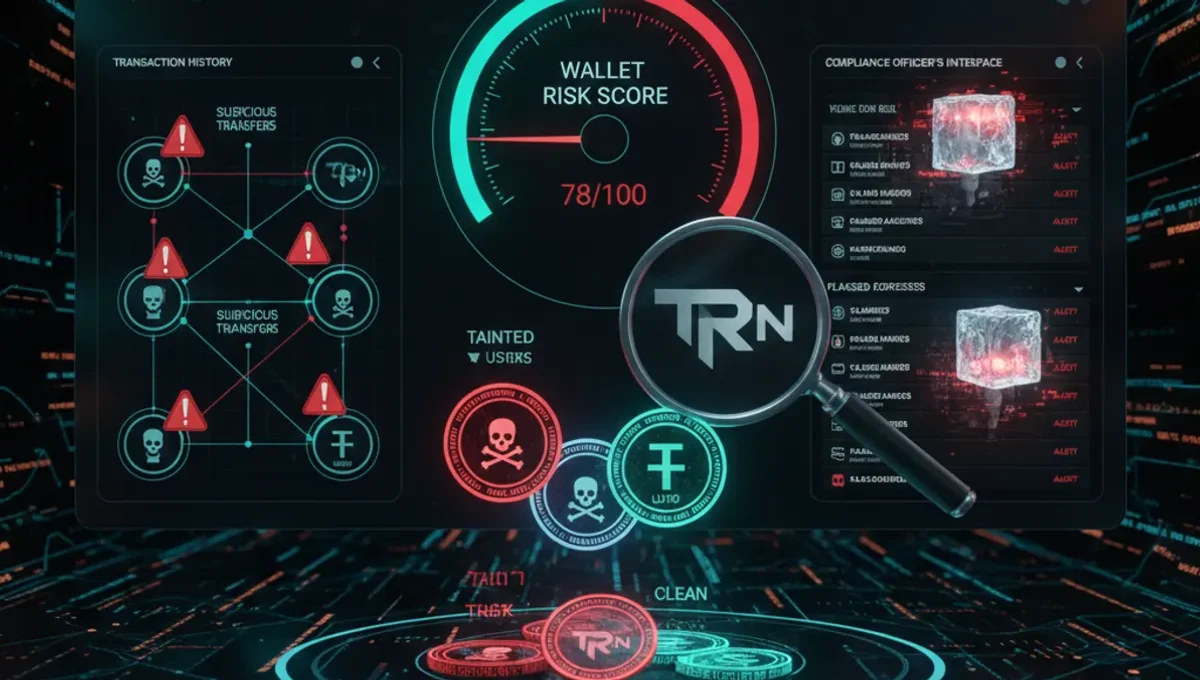
An AML crypto check scans a blockchain address against known risk indicators: mixer usage, darknet market connections, stolen funds, sanctions lists, and gambling platforms. Free versions typically offer basic screening without requiring payment or registration. When you receive USDT on Tron, BTC on Bitcoin, or any major token, a quick AML check reveals whether the sender's wallet has a clean history or carries compliance risk. Exchanges increasingly freeze accounts tied to tainted coins, so verifying wallet provenance before accepting large transfers protects your account and reputation. The check generates a risk score—usually on a scale from low to critical—that tells you whether the transaction is safe to proceed with.
How AML Scoring Works: Understanding Risk Levels
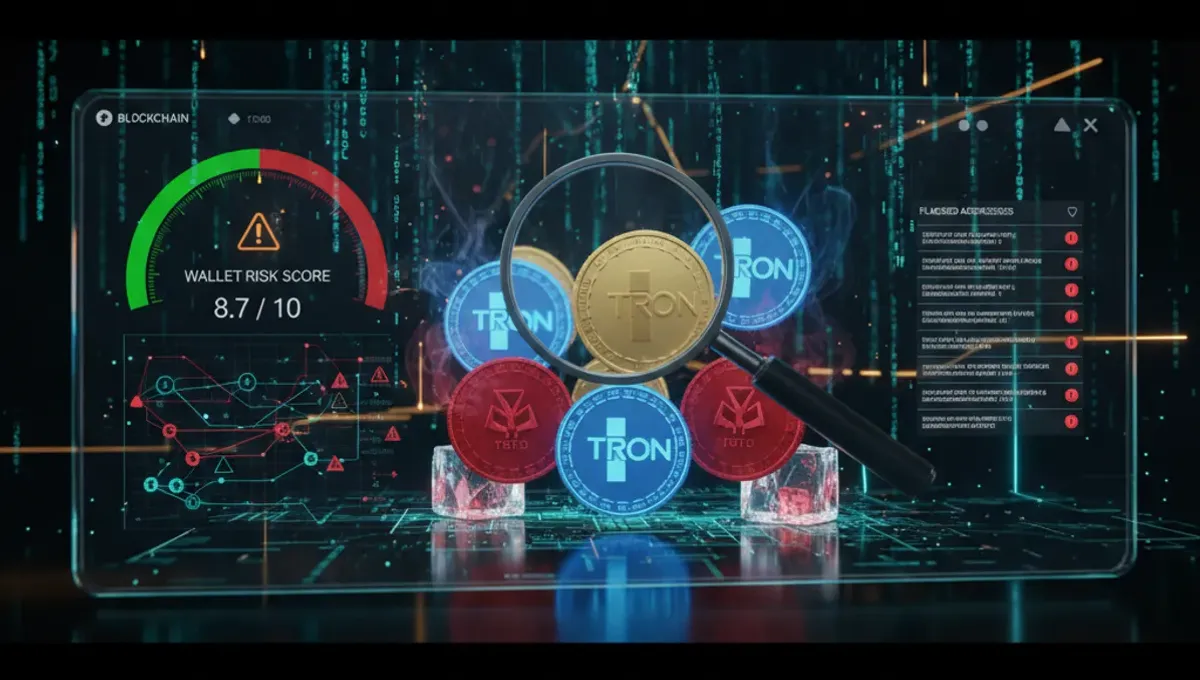
AML risk scores typically range from 0 (clean) to 100 (high risk), though some services use color coding or categorical labels. A low score means the address shows no connection to known risk sources. A medium score flags some activity worth investigating, such as interaction with lesser-known exchanges or minor mixer exposure. A high or critical score indicates direct links to darknet markets, stolen funds, sanctioned entities, or major mixers. Risk scoring combines on-chain analysis (transaction patterns, address clustering) with external intelligence (sanctions databases, known scam addresses, stolen fund registries). When you run a free AML crypto check, the service cross-references the wallet against these data sources and returns a composite score. Understanding your risk threshold—what score you'll accept—is crucial before receiving funds. Many compliance-conscious users reject any transaction from addresses scoring above 30–40.
How to Check a Wallet Address for AML Risk: Step-by-Step
- Copy the wallet address you want to verify (TRX, USDT, BTC, or ETH).
- Visit a free AML check service or navigate to the wallet screening tool on our curated AML Services page to find verified providers.
- Paste the address into the search field and select the blockchain (Tron, Bitcoin, Ethereum, etc.).
- Click 'Check' or 'Scan' and wait for the analysis to complete, usually within seconds.
- Review the risk score, risk category (if shown), and any flagged activity.
- Check the detailed report for specific red flags: mixer interactions, darknet exposure, stolen fund warnings, or sanctions matches.
- Decide whether to proceed with the transaction based on your risk tolerance and compliance requirements. If the score is high, consider declining the transfer or requesting funds from a different address. For ongoing monitoring, some services offer transaction alerts or batch checking for frequent traders.
What Tainted Coins and Dirty Crypto Mean
Tainted coins are cryptocurrencies with a documented history of illicit activity: theft, ransomware payments, darknet market proceeds, or sanctions violations. When a coin is labeled 'dirty,' it doesn't mean the token itself is defective—it means the address holding it has a risky provenance. A single transaction can taint an entire wallet's history. For example, if you receive USDT that was previously stolen and then mixed through multiple addresses, that USDT carries taint. Exchanges and compliance teams flag tainted coins because accepting them creates legal and reputational liability. A free AML crypto check detects this taint by tracing the address's transaction history and comparing it against known theft reports, darknet market wallets, and sanctions lists. Even if you received tainted coins unknowingly, holding or transferring them can result in account freezes or mandatory reporting.
Common Risk Flags: Mixers, Darknet, Stolen Funds, and Sanctions
When you run an AML crypto check, watch for these red flags:
Mixer exposure: The address sent or received funds through a coin mixer (a service that obscures transaction trails). Mixer use alone doesn't prove guilt, but it signals intent to hide activity.
Darknet market connection: The address has received or sent funds to wallets linked to darknet marketplaces. This is a critical risk indicator.
Stolen funds: The address received cryptocurrency flagged as stolen in theft reports or ransomware tracking databases.
Sanctions match: The address is linked to a sanctioned entity, individual, or country under international restrictions.
Gambling platform exposure: The address interacted with high-risk gambling or betting platforms.
Scam association: The address is connected to known Ponzi schemes, rug pulls, or other fraud.
A free AML crypto check flags these categories so you can make an informed decision. High-risk flags warrant declining the transaction.
What Happens When Exchanges Detect Tainted Coins
When you deposit tainted USDT or BTC to an exchange, the exchange's compliance team may flag the transaction during their internal AML screening. Depending on the risk score and the exchange's policy, several outcomes are possible: the deposit is accepted but your account is flagged for review, the deposit is held pending investigation, or the deposit is rejected outright. If an exchange determines that your account received stolen or sanctioned funds, they may freeze your account, restrict withdrawals, or require you to provide proof of legitimate source. In severe cases, the exchange reports the activity to financial authorities. This is why checking a wallet before accepting funds is essential—it prevents you from unknowingly receiving tainted coins that could lock your account. Using a free AML crypto check before accepting large transfers is a simple precaution that avoids costly freezes and compliance headaches.
Free vs. Paid AML Crypto Check Services: What's the Difference
Free AML crypto checks offer basic risk scoring and flag detection without payment. They typically cover the most common risk categories (mixers, darknet, major theft reports) and work well for one-off wallet verification. Limitations include fewer data sources, delayed updates to sanctions lists, and no detailed transaction history or batch checking. Paid services provide real-time data feeds, deeper transaction analysis, custom risk thresholds, API access for automated screening, and priority support. For casual users receiving occasional transfers, a free check is sufficient. For traders, businesses, or compliance teams processing many transactions, paid services offer better accuracy and speed. Start with a free AML crypto check to understand the wallet's risk profile. For critical transactions or ongoing monitoring, explore verified paid providers on our AML Services page, where we curate trusted screening tools that meet compliance standards.
Frequently asked questions
Is there a truly free AML crypto check with no limits
Yes, several services offer free AML crypto checks with no registration required. They scan a single address and return a risk score instantly. However, free versions typically lack detailed transaction history, batch checking, and real-time updates. For occasional wallet verification, free tools are sufficient. For frequent or high-value transactions, paid services provide more comprehensive data and faster updates.
Can I check a USDT or TRX address for AML risk on Telegram
Some AML services offer Telegram bots that let you paste a wallet address and receive a risk score directly in chat. This is convenient for quick checks on mobile. However, verify that the bot is from an official, trusted provider to avoid phishing scams. Always cross-check results with a primary service before making transaction decisions based on Telegram bot output.
What AML risk score should I accept before receiving crypto
Most compliance-conscious users accept scores below 20–30 without concern. Scores between 30–60 warrant investigation into the specific risk flags before deciding. Scores above 60 are generally considered too risky for most users and should prompt rejection of the transaction. Your threshold depends on your risk tolerance and regulatory environment. When in doubt, decline and request funds from a different address.
How long does a free AML crypto check take
Most free AML checks complete within 5–15 seconds. The service scans the address against its database of known risk indicators and returns a score and risk category instantly. If the check takes longer than a minute, the service may be experiencing high load or connectivity issues. Refresh and try again, or use an alternative verified provider from our AML Services page.
What should I do if my wallet gets flagged as high risk
If your address is flagged as high risk, review the specific red flags in the report. If the flags are incorrect or outdated, contact the AML service to request a review. If the flags are accurate (e.g., you did interact with a mixer), consider moving clean funds to a new address and avoiding risky activity going forward. When depositing to an exchange, be prepared to explain the activity to compliance teams.