What Is a Crypto AML Check and Why It Matters
A crypto AML check screens a blockchain address against known risk indicators: mixer usage, darknet market connections, stolen funds, sanctions lists, and gambling platforms. When you receive cryptocurrency from an unknown source, that coin may carry historical baggage—it could have passed through a mixer, been stolen in a hack, or originated from a sanctioned entity. Exchanges and custodians flag or freeze wallets holding such coins, and you may be unable to deposit or withdraw without compliance review. An AML check reveals this risk before you accept the funds. Financial institutions and crypto platforms use Know Your Transaction (KYT) tools to perform these checks automatically, but individual users can also run manual AML crypto checks online to verify counterparties and incoming payments.
How AML Risk Scores Work in Crypto
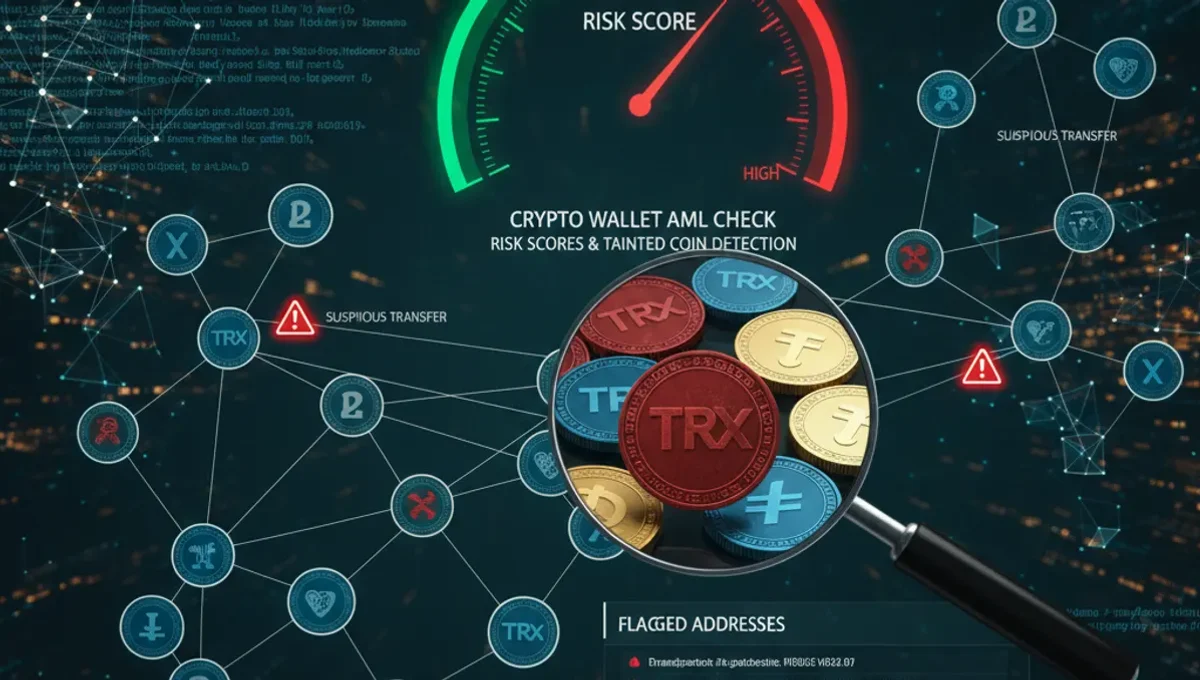
AML risk scoring assigns a numerical or categorical rating to an address based on its transaction history and associations. Most systems use a scale from low to critical risk. A low-risk address has clean transaction history, no mixer exposure, and no known darknet or sanctions connections. Medium-risk addresses may have passed through a mixer or show some indirect exposure to flagged entities. High-risk addresses have direct links to stolen funds, active sanctions lists, or known darknet markets. Critical-risk addresses are typically frozen or blacklisted by major exchanges. Risk scores are calculated by analyzing on-chain data: the wallet's transaction graph, counterparties, time-weighted exposure to risky behavior, and cross-referencing against public sanctions databases and law enforcement alerts. The scoring methodology varies between service providers, but all legitimate AML check tools follow regulatory guidance from FinCEN, OFAC, and similar bodies. When you run an AML check crypto wallet screening, the score reflects cumulative risk, not a binary judgment of guilt.
Step-by-Step: How to Check a TRX or USDT Address for AML Risk
To perform an AML check on a Tron (TRX) or USDT address, follow these steps:
- Obtain the wallet address you want to screen (copy the full address, not a shortened version).
- Visit a trusted AML check service—our curated list of verified AML services on this site includes tools that support TRC20 addresses and Ethereum-based USDT.
- Paste the address into the search field and initiate the check.
- Review the risk score and detailed report: look for mixer exposure, darknet connections, stolen fund flags, and sanctions matches.
- Check the transaction history summary to see which counterparties the address has interacted with.
- Note any freeze or blacklist status reported by major exchanges.
- Decide whether to proceed based on your risk tolerance and compliance requirements.
For BTC addresses, the process is identical, but ensure the service supports Bitcoin. Most professional AML check tools cover TRX, USDT, BTC, and ETH. Free AML crypto check services often have limited query allowances or lower data depth, so for critical transactions, use a paid or enterprise service. Always verify the service is actively maintained and uses current sanctions lists.
What Risk Score Levels Mean and When to Reject a Transaction
Risk score interpretation depends on your use case and regulatory environment, but general guidelines apply:
- Low (0–20%): Safe to accept. No known illicit associations or sanctions exposure.
- Medium (21–50%): Caution advised. Address may have mixer exposure or indirect darknet connections. Acceptable for most retail transactions if you have KYC on the counterparty.
- High (51–80%): Significant risk. Address shows direct mixer usage, stolen fund flags, or sanctions proximity. Reject unless you have strong business justification and compliance approval.
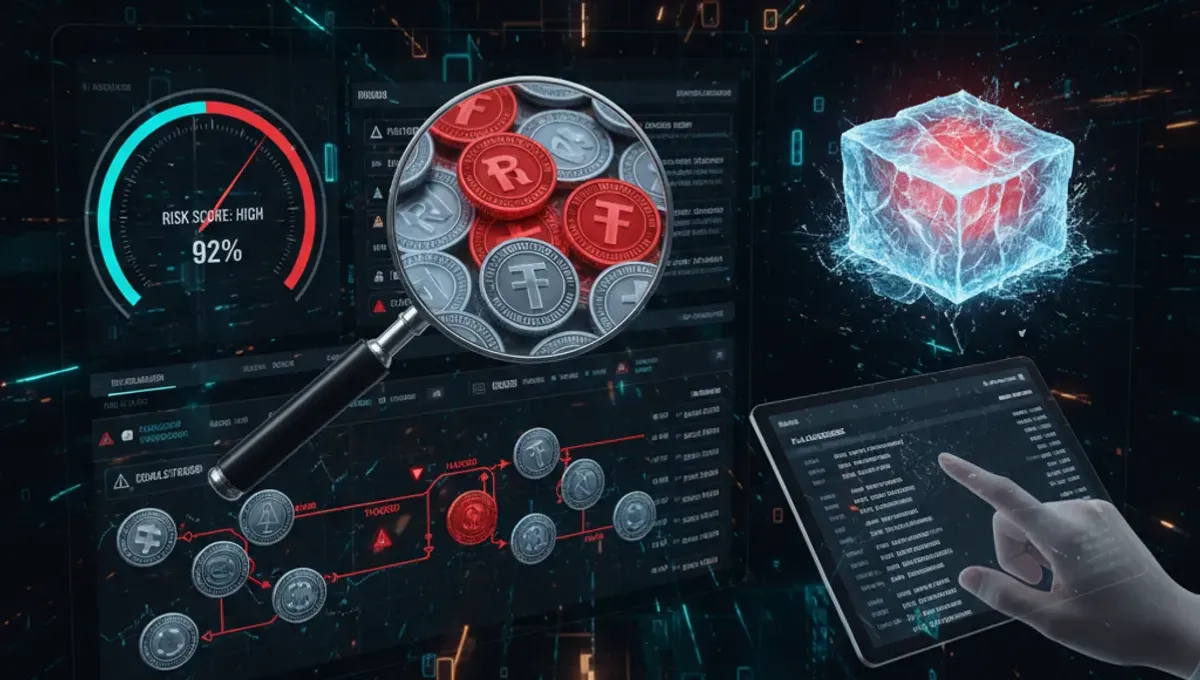
- Critical (81–100%): Do not transact. Address is likely frozen by exchanges, linked to active sanctions, or flagged for stolen funds. Accepting these coins risks your own account being frozen.
Exchanges and custodians typically reject deposits from critical-risk addresses automatically. If you receive a payment from a high-risk address, contact the sender and request a fresh transaction from a clean address. For businesses, establish a policy: many require counterparties to score below 30% for routine payments. Document your AML check results for audit trails and compliance reporting.
Common Risk Flags: Mixers, Darknet, Sanctions, and Stolen Funds
When you run an AML check crypto wallet screening, watch for these specific risk indicators:
- Mixer exposure: The address has sent or received funds through a coin mixer or tumbler. Mixers obscure transaction history and are often used to launder illicit proceeds. Even indirect mixer exposure (e.g., receiving from an address that previously used a mixer) raises red flags.
- Darknet connections: The address has transacted with known darknet marketplace addresses or their withdrawal wallets. This includes dark web markets, ransomware payment addresses, and illegal goods platforms.
- Sanctions matches: The address is controlled by or associated with a sanctioned entity, country, or individual listed by OFAC, EU, or UN. Transacting with sanctioned addresses violates law in most jurisdictions.
- Stolen funds: The address received cryptocurrency from a known theft, exchange hack, or wallet compromise. Stolen coins are often frozen by exchanges and may be subject to recovery claims.
- Gambling platform exposure: Some jurisdictions flag addresses with heavy gambling platform activity as higher risk due to money-laundering concerns.
Not all flags are deal-breakers; context matters. A single historical mixer interaction years ago is lower risk than active recent mixer usage. Use the risk score and detailed report together to make an informed decision.
What Happens If Your Coins Are Flagged as Tainted or Dirty
If you receive or hold cryptocurrency flagged as tainted or dirty, several consequences may follow:
- Exchange deposit rejection: Most major exchanges scan incoming deposits and reject or hold coins from high-risk addresses. Your deposit may be frozen pending compliance review.
- Account suspension: If you deposit tainted coins without disclosure, the exchange may suspend your account for violating their terms of service.
- Mandatory KYC escalation: You may be required to provide additional documentation explaining the source of the funds and your relationship to the counterparty.
- Frozen USDT or BTC: In extreme cases, the exchange may freeze your entire balance pending investigation or legal clearance.
- Regulatory reporting: The exchange may file a Suspicious Activity Report (SAR) with FinCEN or equivalent authority, which can trigger government inquiry.
If this happens, contact the exchange's compliance team immediately, explain the source of the funds, and provide documentation (invoice, contract, counterparty verification). If the coins are genuinely tainted (stolen, ransomware proceeds), you may have limited recourse—the rightful owner or law enforcement may claim them. Prevention is far more effective: always run an AML check crypto wallet screening before accepting large payments from new counterparties.
Choosing a Trusted AML Check Service
Not all AML check tools are equal. When selecting a service, consider:
- Coverage: Does it support the blockchains you need (TRX, USDT, BTC, ETH)?
- Data freshness: Are sanctions lists and darknet databases updated regularly (daily or weekly)?
- Accuracy: Does the service have false-positive issues, or does it correlate multiple data sources?
- Compliance framework: Is it aligned with FinCEN, OFAC, and financial crime standards?
- Transparency: Does it explain its methodology and data sources clearly?
- Cost: Free AML crypto check tools exist but often have limited queries or shallow reports. Paid services offer more detail and higher query limits.
- Support: Is there a compliance team available to discuss edge cases?
Our curated list of verified AML services on this site includes tools that meet these criteria and are actively used by exchanges and compliance teams. Start there to find a service that fits your transaction volume and risk profile. For one-off checks, free services may suffice; for ongoing compliance, a paid subscription is more reliable.
Frequently asked questions
Is there a free AML crypto check tool that works for USDT and TRX addresses
Yes, some services offer limited free AML crypto check queries for USDT and TRX addresses, though they typically cap the number of checks per month or provide less detailed reports than paid plans. Free tools are useful for occasional screening, but for regular compliance work, a paid subscription is more reliable and offers current sanctions data and deeper risk analysis.
What does a high AML risk score mean for my crypto wallet
A high AML risk score (typically 51–80%) indicates your address has significant illicit associations: mixer exposure, darknet connections, or sanctions proximity. Exchanges may reject deposits from high-risk addresses, and accepting funds from them could trigger account freezes or compliance review. Reject the transaction or request a fresh payment from a clean address.
Can I check a Bitcoin or Ethereum address for AML risk the same way as TRX
Yes, the process is identical: paste the address into an AML check service that supports the blockchain (BTC, ETH, or TRX), review the risk score and report, and assess whether to proceed. Most professional AML tools cover multiple blockchains. Ensure the service you choose explicitly supports the coin you're screening.
How often are AML check databases updated with new sanctions and darknet data
Reputable AML services update their sanctions lists and darknet databases daily or weekly, depending on the provider. OFAC and FinCEN release sanctions updates regularly, and darknet marketplace data is gathered through ongoing monitoring. Always use a service that commits to frequent updates to avoid stale risk assessments.
What should I do if an exchange freezes my account after I deposit flagged coins
Contact the exchange's compliance team immediately with documentation of the transaction source and your relationship to the counterparty. Provide invoices, contracts, or KYC information for the sender. If the coins are genuinely tainted, you may have limited recourse, but transparency and cooperation often resolve the freeze faster than silence.