What Does AML Check Mean: Core Definition
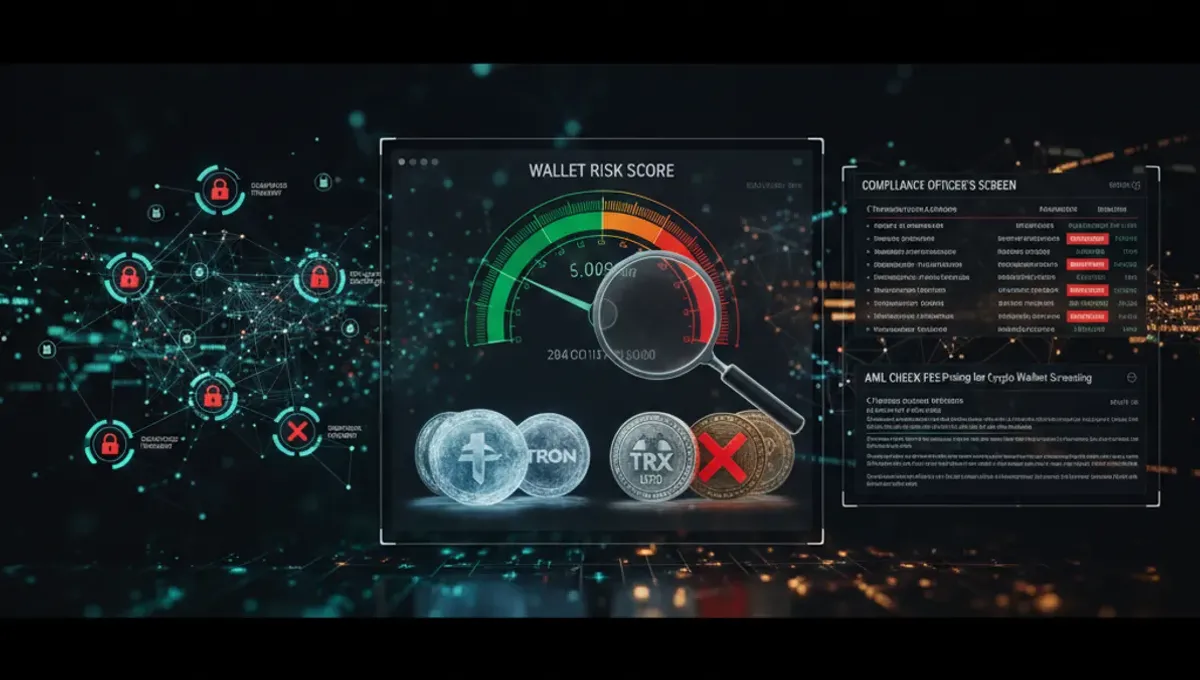
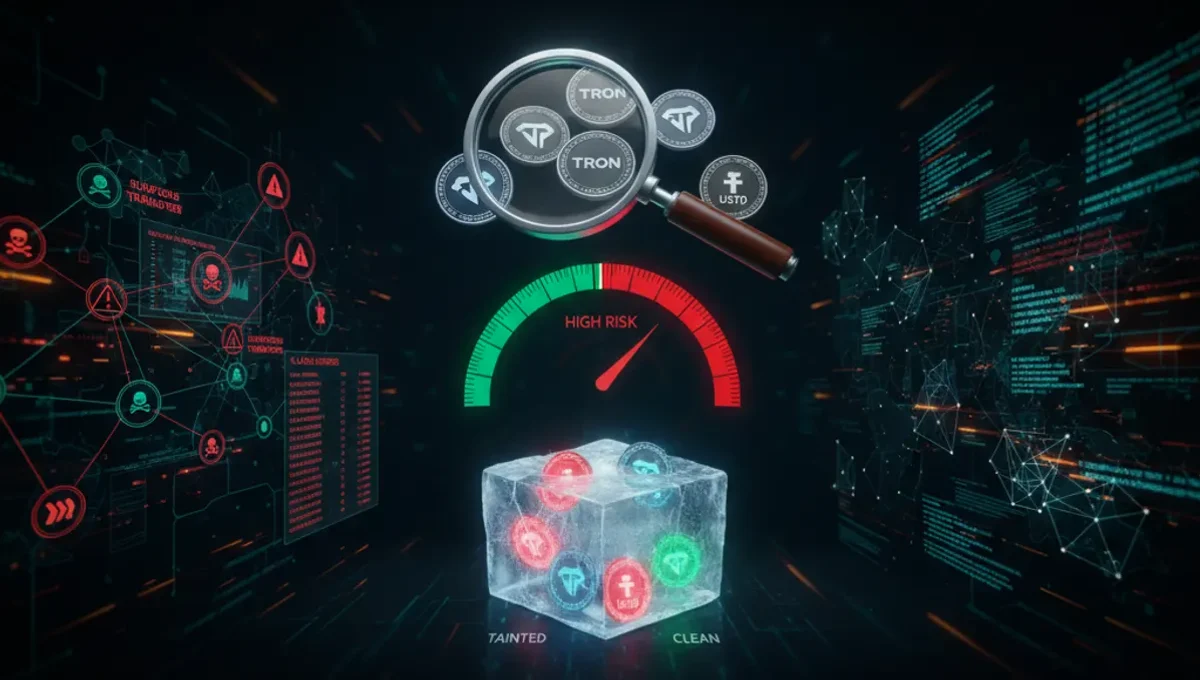
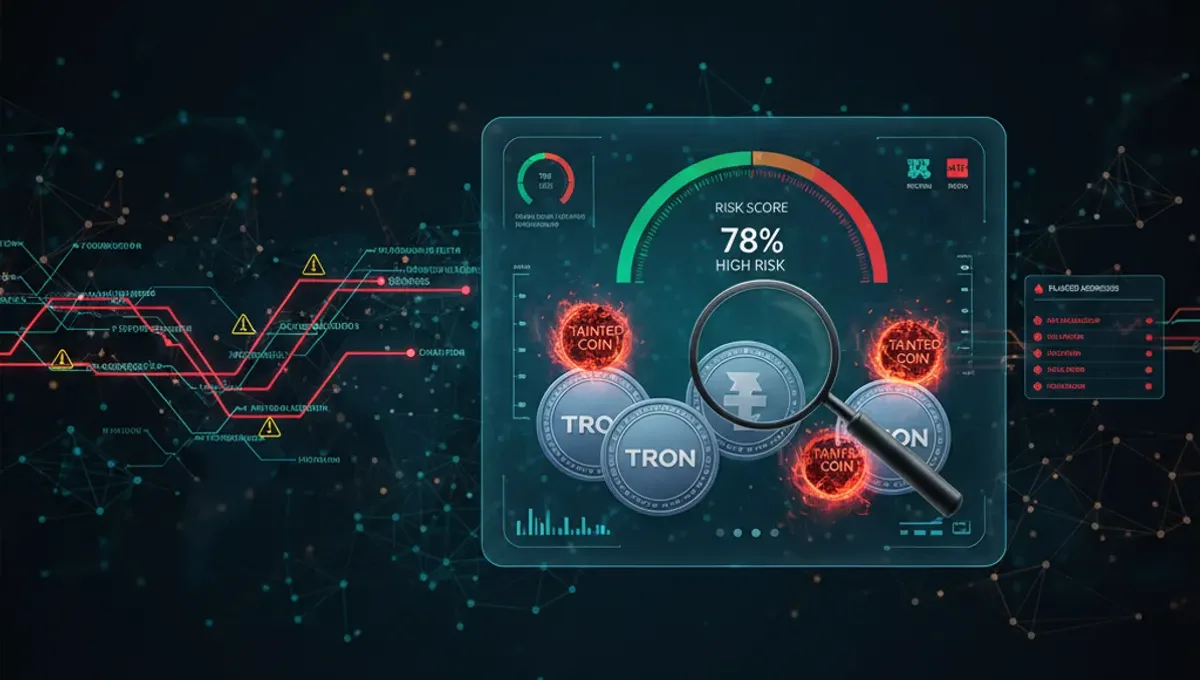
AML check in crypto refers to a screening process that examines a blockchain address's transaction history and associated risk indicators. The check compares wallet activity against known sources of illicit funds, including stolen cryptocurrency, proceeds from scams, darknet marketplace transactions, and addresses linked to sanctioned entities. When you perform an AML check on a wallet address—whether TRX, USDT, BTC, or ETH—the system traces the coin's origin and movement across the blockchain. This differs from traditional banking AML, which relies on customer identity verification; crypto AML checks focus on the coins themselves and their exposure to high-risk activity. The result is typically a risk score ranging from low to critical, which tells you whether receiving or holding those coins could trigger compliance issues with exchanges or custodians.
How Does the AML Check Process Work
The AML check process follows these steps: First, you input a wallet address into an AML screening tool. The tool then queries blockchain data to trace the address's transaction history backward and forward. Second, the system compares the address and its associated transactions against multiple risk databases, including darknet marketplace wallets, mixer services, known theft addresses, and sanctioned entity lists. Third, the tool calculates a risk score based on the number and severity of risk factors detected. Finally, you receive a report showing the risk level, specific risk categories flagged, and a breakdown of the wallet's transaction patterns. The entire AML check process typically completes within seconds to a few minutes, depending on the tool and the wallet's transaction volume. Some services offer detailed reports with transaction graphs and risk explanations, while others provide a simple pass/fail result.
How Long Does AML Check Take
Most AML checks complete in seconds to two minutes. A basic scan of a wallet address with standard transaction history usually returns results instantly. However, if a wallet has thousands of transactions or complex transaction chains involving multiple addresses, the analysis may take up to five minutes. The time also depends on network load and the tool's processing capacity. Real-time AML checks performed through API integrations—such as those used by exchanges during deposit verification—typically complete within 30 seconds to ensure a smooth user experience. Batch checks, where you screen multiple addresses at once, may take longer depending on the number of addresses queued. If you need results for compliance or due diligence purposes, most services provide reports within the same day, and many offer expedited processing for enterprise clients.
AML Check Requirements and What Gets Flagged
AML check requirements vary by jurisdiction and exchange, but generally focus on detecting these risk categories: darknet marketplace exposure (wallets that have received or sent funds to known dark web markets), mixer or tumbler usage (coins passed through privacy-mixing services), stolen funds (addresses flagged as theft victims), sanctions violations (wallets linked to sanctioned countries or entities), scam proceeds (coins from confirmed fraud or Ponzi schemes), and gambling platform activity (in some jurisdictions). When a wallet is flagged, the specific risk category appears in the report. For example, if a USDT address received coins from a mixer, the report will note mixer exposure. If coins originated from a sanctioned entity, that will be highlighted. Most exchanges require that deposited coins have a low or acceptable risk score; what constitutes acceptable varies by platform. Some exchanges reject any coins with darknet exposure, while others tolerate low-level mixer exposure. Understanding these requirements before receiving coins helps you avoid frozen accounts or rejected deposits.
AML Check Fee and Cost Considerations
AML check fees depend on the service provider and the scope of the check. Many platforms offer a limited number of free checks per month or per account, typically ranging from 1 to 10 free scans. Beyond that, fees usually range from a few dollars to tens of dollars per check, depending on whether you need a basic risk score or a detailed report with transaction analysis. Enterprise and API-based AML checks often operate on a subscription model, with monthly fees starting at moderate levels for high-volume screening. Some services charge per address checked, while others charge per report generated. A few platforms offer unlimited free checks with optional premium reports for deeper analysis. When evaluating AML check services, consider not just the fee but also the accuracy of the risk database, the speed of results, and the detail level of reports. The cheapest option isn't always the most reliable; services with larger blockchain analytics databases and more frequent updates tend to provide more accurate risk assessments. Our curated list of verified AML services on this site can help you compare options and find a provider that matches your budget and accuracy requirements.
What Risk Score Levels Mean and When to Worry
AML check risk scores typically fall into four categories: low (green), medium (yellow), high (orange), and critical (red). A low risk score means the wallet has minimal exposure to known illicit activity and is generally safe to receive funds from. A medium risk score indicates some exposure—perhaps a transaction with a mixer or a connection to a gambling platform—but not necessarily a dealbreaker; many exchanges accept medium-risk coins. A high risk score signals significant exposure, such as multiple mixer transactions or darknet marketplace connections; many exchanges will reject these coins or flag the account for review. A critical risk score indicates the wallet is directly linked to theft, sanctions, or active darknet markets; exchanges will almost certainly freeze the account or reject the deposit. Before receiving a large amount of USDT, TRX, or BTC, check the sender's wallet for at least a low or medium risk score. If you receive coins flagged as critical, do not deposit them to an exchange; contact the sender to clarify the source or request a resend from a different wallet.
How to Check a Wallet Before Receiving Crypto
Follow these steps to check a wallet before receiving USDT, TRX, BTC, or ETH: First, ask the sender for their wallet address or request they provide it before sending funds. Second, copy the address and paste it into an AML check tool. Third, review the risk score and any flagged risk categories. If the score is low or acceptable for your exchange's standards, proceed. If the score is high or critical, ask the sender about the risk factors or request they send from a different wallet. Fourth, if you proceed with the transaction, monitor your exchange account after deposit for any holds or verification requests. Fifth, if your account is frozen after depositing flagged coins, contact your exchange's support team with the AML report to explain the source and request review. This proactive approach prevents receiving tainted coins that could lock your funds or trigger account restrictions. Services listed on our verified AML services page offer straightforward wallet checking, making this verification step quick and reliable.
Frequently asked questions
How long does an AML check take on a crypto wallet
Most AML checks complete in seconds to two minutes. Simple wallet scans return results instantly, while addresses with thousands of transactions may take up to five minutes. Exchange deposit verification typically completes within 30 seconds. Batch checks of multiple addresses take longer depending on queue size and tool capacity.
What does it mean if my wallet fails an AML check
A failed AML check means your wallet has been flagged for risk factors such as darknet exposure, mixer usage, stolen funds, or sanctions violations. Exchanges may reject deposits or freeze your account. Contact your exchange's support with the AML report to explain the source, or request a resend from a different wallet with lower risk.
Do I have to pay for an AML check on crypto
Many services offer free AML checks, typically 1 to 10 per month. Beyond that, fees range from a few dollars to tens of dollars per check depending on report depth. Enterprise subscriptions operate on monthly pricing. Compare verified AML services to find options matching your budget and accuracy needs.
What is the difference between AML check and KYC in crypto
AML check analyzes the coins themselves and their transaction history for illicit exposure. KYC (Know Your Customer) verifies the identity of the person holding the wallet. Exchanges typically require both: KYC to verify you are who you claim, and AML checks to ensure the coins are not tainted or flagged.
Can I check a USDT or TRX address for AML risk before receiving it
Yes. Ask the sender for their wallet address, input it into an AML check tool, and review the risk score. If the score is low or acceptable, proceed with the transaction. If high or critical, ask the sender about the risk factors or request they send from a different address.