How Blockchain Traceability Works
Cryptocurrency transactions are recorded on a distributed ledger that anyone can view. Each transaction contains a sender address, recipient address, amount, timestamp, and transaction hash. This permanent record means that once a transaction is confirmed, it cannot be altered or hidden. Blockchain analysis firms use this data to track fund flows across addresses and exchanges. When you receive USDT or TRX, the transaction history of those coins is visible and can be analyzed. This is fundamentally different from cash, where physical bills have no traceable history. The immutability of the blockchain makes it possible to follow a coin's journey from its creation through every transfer, including movements through mixers, darknet markets, or sanctioned entities.
What Is KYT and How Does It Detect Tainted Coins
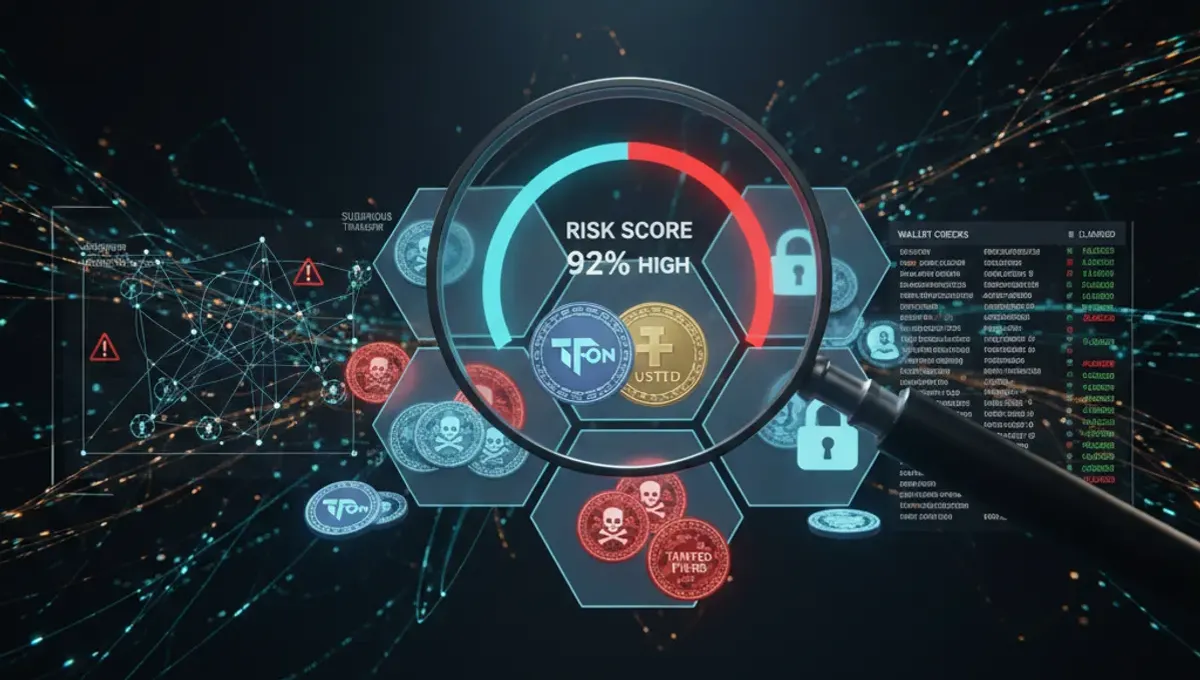
KYT (Know Your Transaction) is a compliance process that screens transactions and addresses to identify risk. KYT tools cross-reference wallet addresses against databases of known darknet markets, theft incidents, sanctions lists, and other illicit activity. When you perform an AML check on a crypto address, the service is running KYT analysis to assign a risk score. A tainted coin is cryptocurrency that has been associated with theft, fraud, mixing services, or other illicit activity. For example, if USDT was stolen in a hack and moved through multiple addresses, any wallet holding that USDT would show exposure to stolen funds. KYT systems flag these connections so exchanges and users can decide whether to accept the transaction. The risk score reflects the strength of the connection—a direct link to a darknet market carries higher risk than a distant historical connection.
Can Crypto Transactions Be Traced Through Mixers and Exchanges
Yes, crypto transactions can be traced even when they pass through mixers and exchanges, though the trail becomes more complex. A mixer (or tumbler) is a service designed to obscure transaction history by combining and splitting funds from multiple users. However, blockchain analysis can still identify patterns in the flow of coins in and out of mixers. Exchanges add another layer: when you deposit crypto into an exchange, your address is linked to your identity through KYC (Know Your Customer) verification. This means that even if coins move through multiple addresses, once they reach an exchange, the recipient is identified. Law enforcement and compliance teams use this principle to track stolen funds and sanctioned transactions. The key point is that mixing adds complexity but does not guarantee anonymity. Sophisticated AML checks can still detect exposure to mixing services, which itself raises a red flag for compliance purposes.
How to Check if Your Crypto Address Has Tainted Coins
To check if your wallet contains tainted coins or has darknet exposure, use an AML check service. Here is the process: First, copy your wallet address (for TRX, USDT, BTC, or ETH). Second, visit a verified AML service and paste your address into the screening tool. Third, the service will scan the blockchain and return a risk score and detailed report. The report typically shows: the overall risk level (low, medium, high), specific risk categories (darknet exposure, stolen funds, sanctions), transaction history connections, and any flagged addresses in your transaction chain. A low risk score means your coins have clean transaction histories. A high risk score indicates direct or recent connections to illicit activity. Many exchanges use similar checks before crediting deposits—if your coins are flagged as high-risk, the exchange may freeze your account or reject the deposit. For the most reliable results, use the trusted AML services listed on our verified services directory, which offer transparent scoring and detailed breakdowns.
Understanding Risk Score Levels and What They Mean
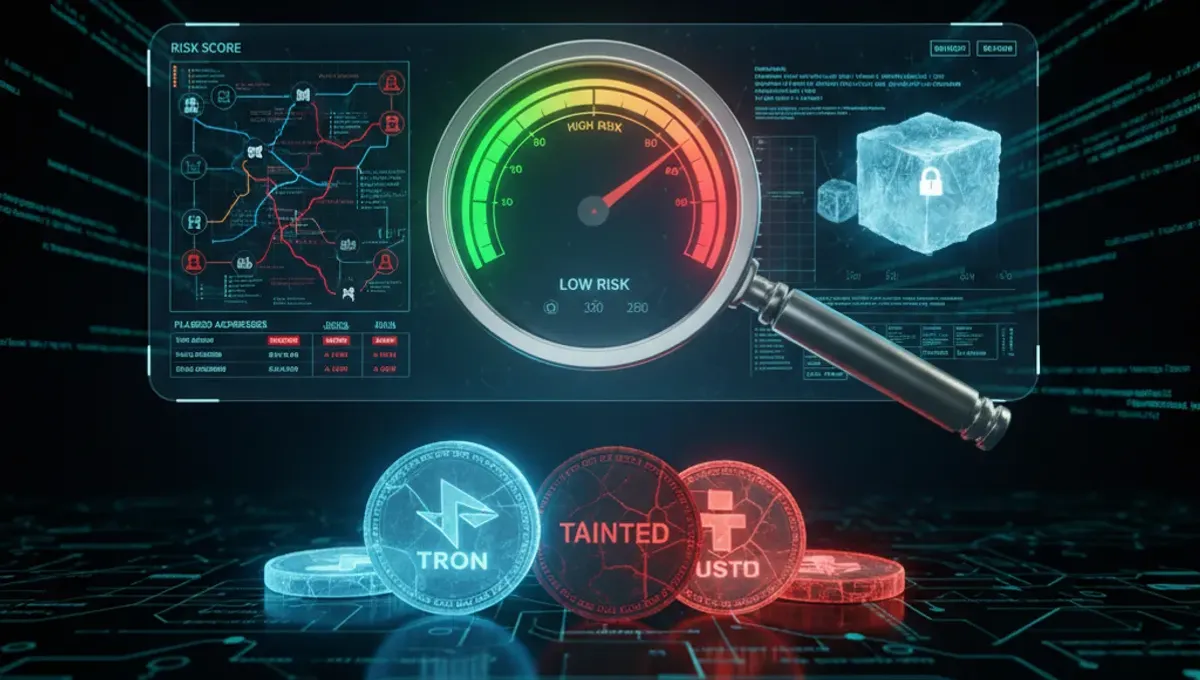
AML risk scores typically range from 0 to 100, with different thresholds indicating different levels of concern. A score of 0–20 is generally considered low risk, meaning the address has no known connections to illicit activity. A score of 21–50 is medium risk, often indicating historical or distant connections to flagged addresses, or exposure to mixing services. A score of 51–100 is high risk, suggesting direct or recent connections to darknet markets, stolen funds, sanctions violations, or other serious compliance issues. Exchanges and financial institutions set their own acceptance thresholds. Some accept only addresses with scores below 20, while others tolerate scores up to 50. If your address has a score above 50, most mainstream exchanges will reject deposits or freeze your account pending review. The specific risk categories matter as much as the score—exposure to a sanctioned entity is treated more seriously than a distant historical connection. When you receive USDT or TRX, checking the sender's risk score before accepting the transaction can prevent you from acquiring flagged coins.
What Happens When Your Coins Are Flagged as Tainted
If your cryptocurrency is flagged as tainted or high-risk, several consequences may follow. First, exchanges may refuse to credit your deposit or may place your account under review. Second, if you already hold the coins in an exchange account, the exchange may freeze your funds pending investigation. Third, you may be unable to withdraw or trade the flagged coins on regulated platforms. Fourth, law enforcement may contact you if the coins are connected to a serious crime like theft or sanctions violations. However, being flagged does not automatically mean you committed a crime—you may have unknowingly received tainted coins from a peer-to-peer transaction. If this happens, document the source of the coins and contact the exchange's compliance team to explain. Some exchanges will unfreeze funds if you can prove you received them innocently. In cases involving sanctions or stolen funds, the situation is more serious and may require legal counsel. To avoid this scenario, always check the risk profile of coins before accepting them in significant transactions.
Best Practices to Avoid Receiving Tainted Crypto
Protect yourself by screening transactions before accepting cryptocurrency. When someone offers to send you USDT, TRX, BTC, or ETH, ask for their wallet address and run an AML check first. Use the verified AML services available on our directory to screen addresses quickly. Accept only coins from addresses with low risk scores (typically below 20). Be cautious of unsolicited offers or deals that seem too good to be true—these often involve stolen or sanctioned funds. When receiving coins from exchanges, use reputable platforms that perform their own AML screening. Avoid peer-to-peer transactions with unknown parties unless you can verify their address history. If you operate a business that accepts crypto, implement mandatory AML checks on all incoming transactions. Document your screening process to demonstrate compliance if regulators inquire. Remember that once you accept tainted coins, you inherit the compliance risk—exchanges may freeze your account, and you may face difficulty moving or selling the coins. A few minutes of screening upfront can save you from weeks of frozen accounts and compliance headaches.
Frequently asked questions
Can police trace cryptocurrency transactions
Yes. Law enforcement works with blockchain analysis firms to trace crypto transactions. Every transaction is recorded on the blockchain and can be analyzed to follow fund flows. When coins reach an exchange, the recipient's identity is revealed through KYC verification. This is how stolen funds and sanctions violations are tracked and prosecuted.
How do I know if my crypto is tainted
Use an AML check service to scan your wallet address. The service will return a risk score and report showing any connections to darknet markets, stolen funds, or sanctions violations. A low score (0–20) means your coins are clean. A high score (51–100) indicates tainted or flagged coins that exchanges may reject.
What is the difference between KYT and AML checks
KYT (Know Your Transaction) screens individual transactions and addresses for risk. AML (Anti-Money Laundering) is the broader compliance framework that includes KYT, customer verification, and reporting. An AML check uses KYT analysis to assess whether a wallet or transaction poses compliance risk.
Can mixing services hide cryptocurrency transactions
Mixers add complexity but do not guarantee anonymity. Blockchain analysis can still identify patterns in fund flows through mixers. Exchanges and compliance teams recognize mixing as a red flag. Using a mixer itself raises your risk score, even if the underlying coins are clean.
What should I do if an exchange freezes my account for tainted coins
Contact the exchange's compliance team immediately. Provide documentation of where you received the coins and explain that you were unaware of the risk. If you received them innocently, the exchange may unfreeze your account after review. For serious cases involving sanctions or theft, consult legal counsel.