What Are Cryptocurrency Money Laundering Red Flags
Cryptocurrency money laundering red flags are indicators that a transaction or wallet may be connected to illicit activity. These flags emerge from transaction patterns, wallet behavior, and blockchain history rather than single transactions in isolation. The most common red flags include rapid movement of funds between wallets, use of mixing or tumbling services, transactions linked to darknet markets, and transfers from wallets flagged by sanctions lists. Blockchain analytics firms track these patterns by analyzing on-chain data, transaction timing, and wallet clustering. A single red flag does not prove wrongdoing, but multiple indicators together suggest higher risk. Understanding these patterns is essential for compliance officers, exchange operators, and anyone receiving large crypto payments.
Common Cryptocurrency AML Red Flags and What They Mean
Cryptocurrency AML red flags fall into several categories based on risk type:
1. Mixing and tumbling activity: Funds sent to known mixer services or privacy-focused protocols suggest deliberate obfuscation of transaction history.
2. Darknet market exposure: Wallets with transaction history to darknet marketplaces indicate potential involvement in illegal goods or services.
3. Rapid wallet-to-wallet transfers: Frequent, quick transfers between wallets without clear business purpose may indicate layering—a money laundering stage where funds are moved to obscure origin.
4. Sanctioned entity connections: Transactions linked to wallets on OFAC or other sanctions lists trigger regulatory red flags and potential account freezes.
5. Stolen fund markers: Wallets receiving funds from known theft or hack incidents carry tainted coin risk.
6. Gambling platform links: High-volume transfers to or from gambling sites may indicate structuring or proceeds laundering.
7. Sudden large deposits from unknown sources: Unexplained inflows without clear business justification raise suspicion.
8. Wash trading patterns: Circular transactions between related wallets with no apparent economic purpose suggest market manipulation or layering.
How Transaction Monitoring Cryptocurrency Works
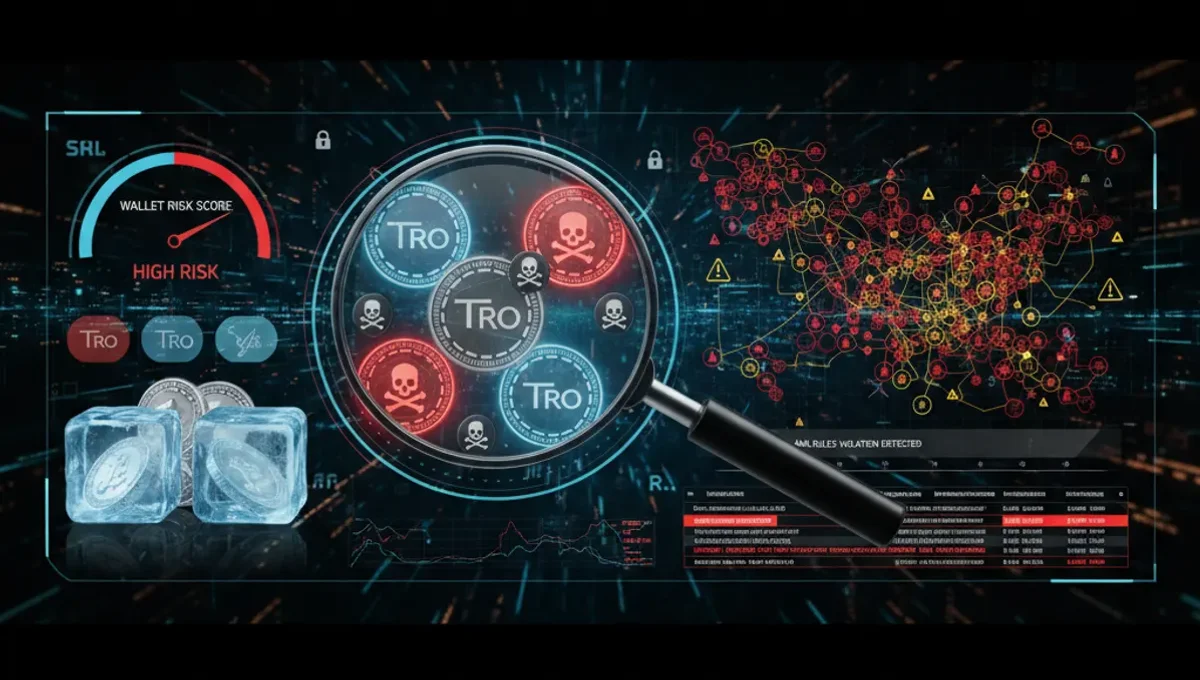
Transaction monitoring cryptocurrency systems track on-chain activity in real time to detect suspicious patterns. These systems use rule-based alerts and machine learning to flag transactions matching known risk profiles. Cryptocurrency transaction monitoring works by comparing wallet addresses against sanctions lists, known darknet markets, and theft databases. The system also analyzes transaction velocity—how quickly funds move between wallets—and clustering, which identifies wallets likely controlled by the same entity. When a transaction triggers an alert, compliance teams review the context: business justification, counterparty reputation, and historical patterns. Exchanges and custodians use transaction monitoring cryptocurrency tools to comply with AML regulations and prevent frozen USDT or account bans. The monitoring happens both at deposit (incoming funds) and withdrawal (outgoing transfers) stages. Effective monitoring reduces false positives while catching genuine risks.
Red Flags in Wallet Screening and Risk Scoring
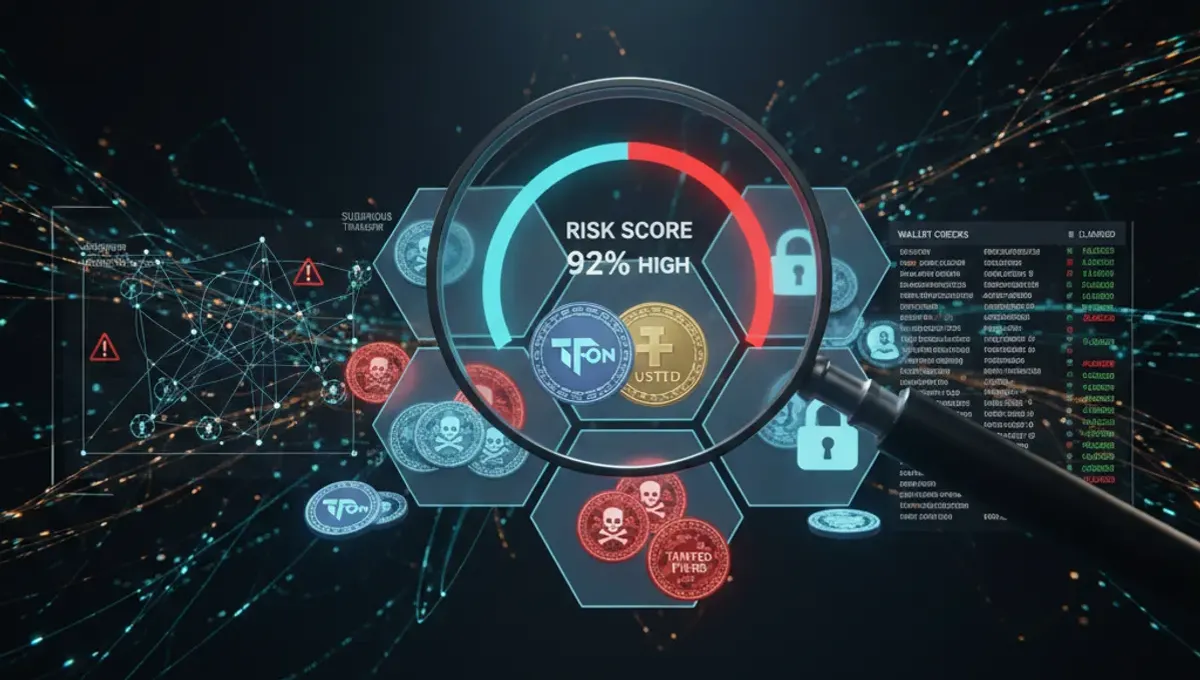
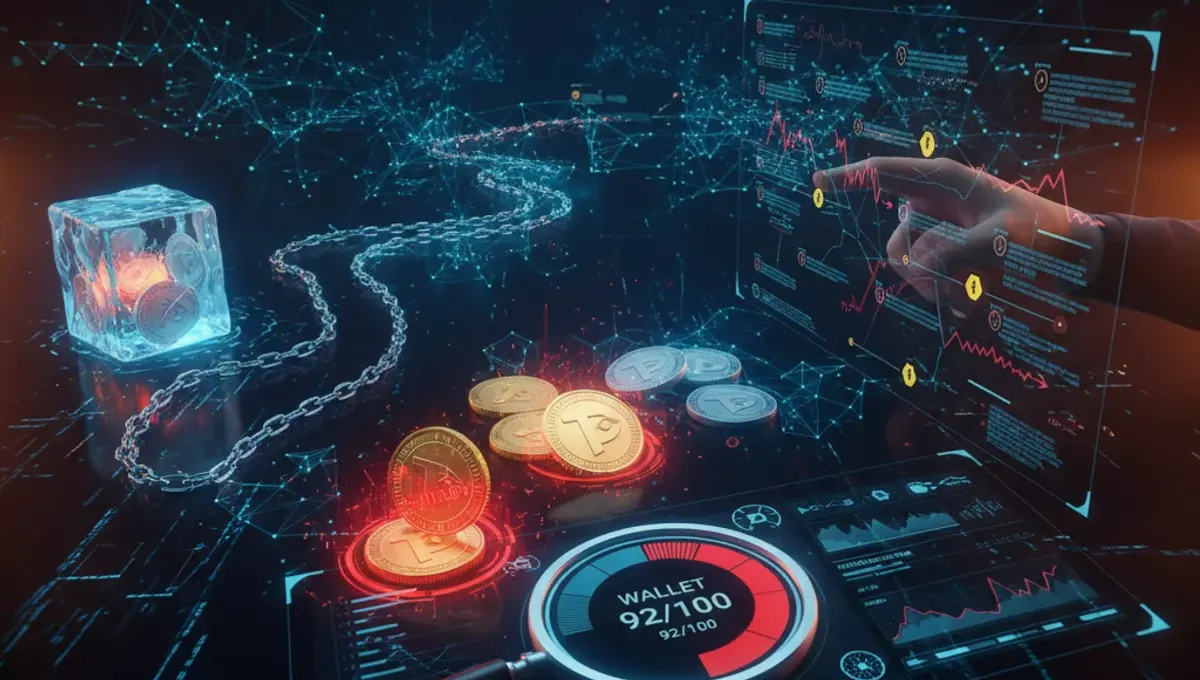
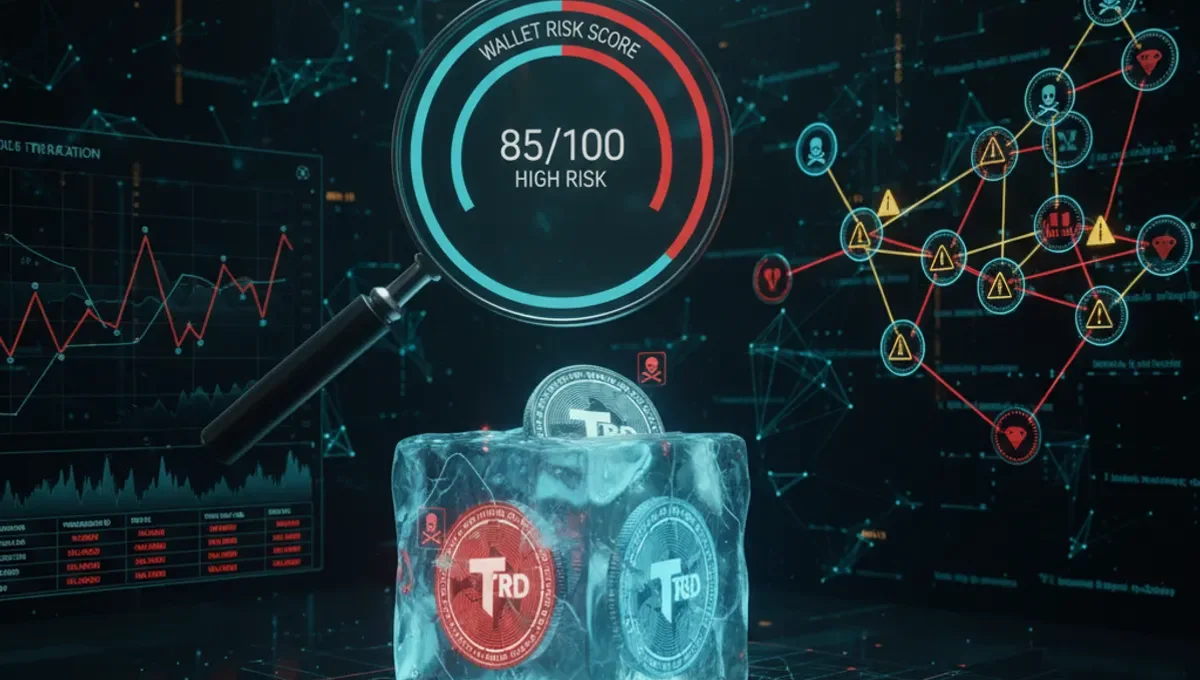
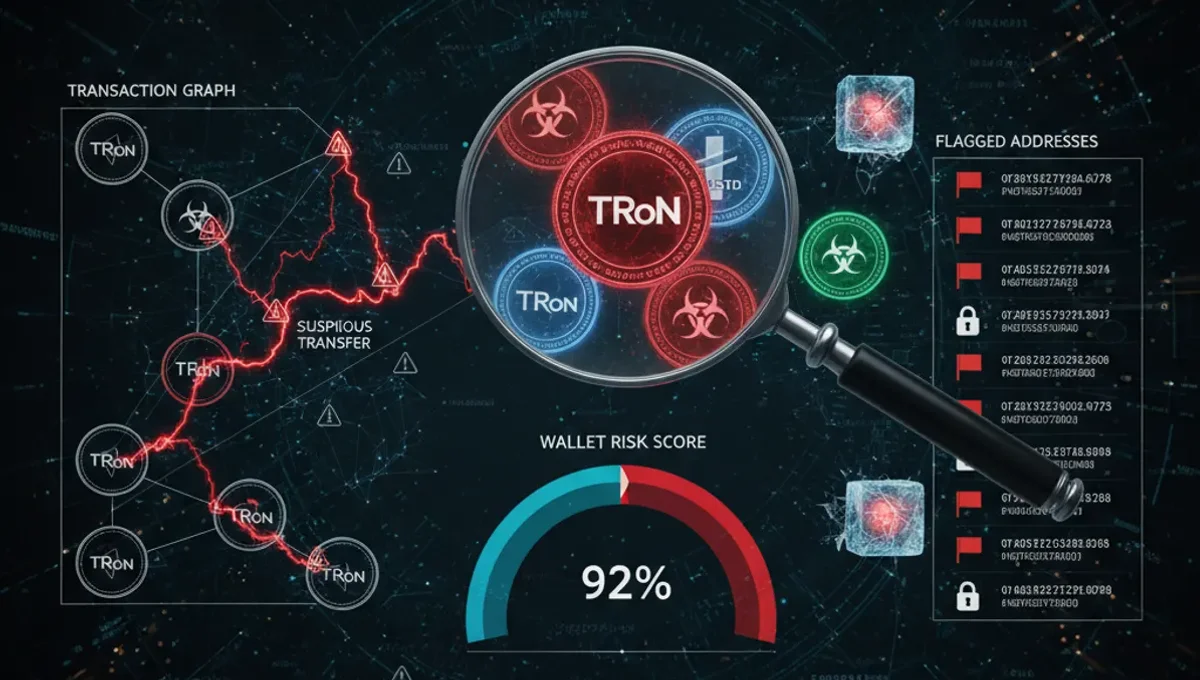
Wallet screening assigns a risk score based on detected red flags and historical patterns. A wallet's risk score reflects the cumulative weight of multiple indicators rather than a single transaction. High-risk scores typically result from direct darknet market links, mixer usage, sanctions list matches, or stolen fund markers. Medium-risk scores may indicate indirect exposure—transactions with wallets that themselves show red flags, or unconfirmed but suspicious patterns. Low-risk scores suggest clean transaction history and no detected illicit connections. When you check a wallet before receiving USDT or TRX, the risk score provides a quick summary, but context matters. A wallet with one transaction to a mixer years ago may carry lower practical risk than a wallet with recent, repeated mixing activity. Risk scores are probabilistic, not definitive proof. They guide decision-making: high-risk wallets warrant additional due diligence or rejection, while medium-risk wallets may be acceptable with monitoring. Our curated list of verified AML services on the AML Services page provides transparent scoring methodologies so you understand how risk is calculated.
What to Do If You Receive Tainted Coins or Flagged Crypto
If you receive cryptocurrency flagged as tainted or connected to red flags, take these steps:
1. Stop further transfers: Do not move the funds to another wallet or exchange immediately, as this may trigger additional scrutiny.
2. Document the source: Gather records of who sent the funds, when, and for what stated purpose.
3. Run an AML check: Use a trusted AML service to confirm the risk level and identify specific red flags attached to the wallet or transaction.
4. Assess your exposure: Determine whether the risk is direct (the sending wallet itself) or indirect (the sending wallet received from a risky source).
5. Report if required: If the funds are confirmed to be stolen or sanctioned, report to your exchange or custodian and relevant authorities.
6. Avoid mixing: Do not send tainted coins through mixers or privacy services, as this compounds compliance violations.
7. Consult compliance: If you operate an exchange or custody service, escalate to your compliance team before accepting or moving the funds.
Exchanges may freeze accounts holding tainted coins, and regulators may investigate the source. Acting quickly and transparently reduces penalties.
How to Check a Wallet Before Accepting Crypto Payments
Before accepting a large crypto payment in USDT, TRX, BTC, or ETH, follow this process:
1. Collect the sender's wallet address: Request the full address and confirm it matches the stated sender.
2. Run a wallet risk check: Use an AML service to screen the wallet for red flags, sanctions matches, and darknet exposure. Our AML Services page lists verified tools that provide transparent scoring.
3. Review the risk score: Scores above a certain threshold (typically 70+) warrant additional scrutiny or rejection.
4. Check transaction history: Look at the wallet's recent activity. Rapid transfers, mixer usage, or darknet links are warning signs.
5. Verify the source story: Ask the sender why they are sending the funds and whether the stated purpose matches their wallet behavior.
6. Set acceptable thresholds: Define your own risk tolerance. Exchanges typically reject wallets scoring above 75–80, while some accept up to 50 with monitoring.
7. Document everything: Keep records of the check, risk score, and your decision for compliance and audit purposes.
This process takes minutes and prevents frozen USDT, account bans, and regulatory fines. Acceptable risk score thresholds depend on your business model and regulatory environment, but most custodians reject scores above 70.
Red Flags That Lead to Frozen USDT and Account Bans
Exchanges and custodians freeze USDT and other stablecoins when red flags trigger compliance holds. Common triggers include:
1. Sanctions list matches: Any transaction involving a wallet on OFAC or equivalent lists results in immediate freeze and potential account closure.
2. Darknet market direct links: Deposits from wallets with confirmed darknet marketplace connections are typically frozen pending investigation.
3. Stolen fund markers: Wallets receiving funds from known theft or hack incidents are flagged and often frozen.
4. Mixer usage: Deposits from wallets that recently used mixing services trigger enhanced review and possible holds.
5. Structuring patterns: Multiple small deposits designed to avoid reporting thresholds raise red flags and may result in account suspension.
6. Rapid withdrawal after deposit: Depositing and immediately withdrawing large amounts suggests layering or account testing.
7. Multiple failed compliance checks: Repeated attempts to deposit flagged wallets or contradictory information trigger bans.
Once frozen, USDT and other assets may be held for weeks or months during investigation. In some cases, accounts are permanently closed. Proactive wallet screening before deposit prevents these outcomes.
Frequently asked questions
What is a red flag in AML for crypto wallets?
A red flag in AML is any transaction pattern or wallet behavior suggesting illicit activity, such as mixer usage, darknet links, sanctions matches, or stolen funds. Red flags trigger enhanced review and may result in frozen accounts. Single flags do not prove wrongdoing, but multiple indicators together suggest higher risk requiring investigation.
How does cryptocurrency transaction monitoring detect money laundering?
Cryptocurrency transaction monitoring uses rule-based alerts and machine learning to track on-chain activity against sanctions lists, darknet databases, and theft records. It analyzes transaction velocity, wallet clustering, and behavioral patterns. When suspicious activity is detected, compliance teams review context and decide whether to flag, investigate, or freeze the account.
Can I receive crypto from a wallet with red flags?
You can receive crypto from flagged wallets, but it carries risk. Exchanges may freeze the deposit, and regulators may investigate. Before accepting large payments, run an AML check on the sender's wallet. If the risk score is high or red flags are confirmed, reject the payment or escalate to compliance. Document your decision for audit purposes.
What acceptable risk score should I use for wallet screening?
Most exchanges reject wallets scoring above 75–80 on risk scales. Medium-risk wallets (50–70) may be accepted with monitoring and additional due diligence. Your threshold depends on regulatory requirements and business model. Consult our AML Services page for tools offering transparent scoring so you can set thresholds matching your compliance policy.
Why do exchanges freeze USDT and other stablecoins?
Exchanges freeze stablecoins when red flags trigger compliance holds: sanctions matches, darknet links, stolen fund markers, or mixer usage. Frozen assets may be held for weeks during investigation. In severe cases, accounts are permanently closed. Proactive wallet screening before deposit prevents freezes and account bans.