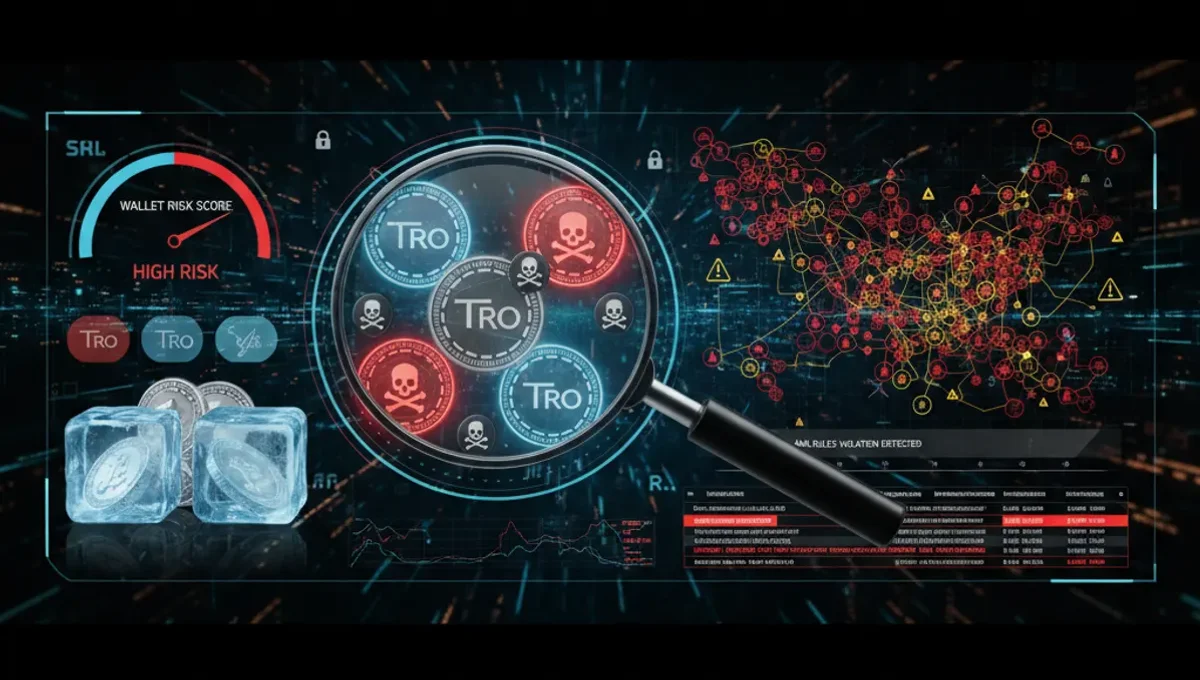
What Is Cryptocurrency Transaction Monitoring?
Cryptocurrency transaction monitoring involves automated systems that track wallet activity, fund flows, and transaction patterns across blockchains. These systems flag transactions that match known risk indicators: transfers to or from darknet markets, mixing services, sanctioned addresses, or wallets associated with scams or stolen funds.
Unlike traditional wire transfers, blockchain transactions are immutable and publicly visible. This means every transaction—sender, receiver, amount, and timestamp—is permanently recorded on the ledger. Monitoring tools analyze this data to build transaction histories and assess risk.
The core purpose is compliance: exchanges, custodians, and financial institutions must identify high-risk transactions before they settle. Regulators in most jurisdictions require transaction monitoring as part of Know Your Transaction (KYT) obligations, similar to Know Your Customer (KYC) requirements for account holders.
Transaction monitoring cryptocurrency systems work continuously, screening incoming and outgoing transfers in real time or near-real time, depending on the blockchain's confirmation speed.
How AML Transaction Monitoring Rules Work
AML transaction monitoring rules are predefined criteria that flag transactions for manual review or automatic rejection. These rules vary by jurisdiction and institution, but common triggers include:
- Transactions to or from known darknet markets or mixing services
- Transfers involving sanctioned entities or geographic regions
- Rapid movement of funds through multiple wallets (layering)
- Transactions from addresses linked to theft, fraud, or ransomware
- Unusually large transfers without clear business purpose
- Circular transactions designed to obscure fund origin
- Transfers to high-risk jurisdictions or unregulated exchanges
Each rule has a threshold: some trigger automatic blocks, others generate alerts for compliance review. Institutions set rule sensitivity based on their risk appetite and regulatory environment. A strict rule set may flag more false positives; a loose set may miss genuine risks.
Blockchain transaction monitoring rules also consider transaction velocity (how quickly funds move), wallet age, and historical patterns. A wallet that suddenly receives and sends large amounts after months of inactivity may trigger heightened scrutiny, even if the addresses themselves are not known to be malicious.
Regulatory guidance from bodies like the Financial Action Task Force (FATF) recommends that institutions monitor transactions proportionate to their risk profile, meaning high-value transfers or transfers from high-risk jurisdictions warrant closer inspection.
Crypto Transaction Monitoring Rules by Risk Category
Different risk categories require different monitoring approaches:
Darknet Exposure: Transactions to known darknet market addresses are flagged immediately. These markets operate on anonymity networks and are frequently used for illegal goods and services. Monitoring systems maintain lists of known darknet addresses and block or flag transfers to them.
Mixing Services: Cryptocurrency mixers deliberately obscure transaction trails by combining funds from multiple sources and redistributing them. Transfers to or from mixers are high-risk indicators because they suggest an attempt to hide fund origin. Many jurisdictions now restrict or ban mixer usage.
Stolen Funds: Wallets linked to exchange hacks, ransomware payments, or theft are tracked and flagged. If a wallet receives funds from a known theft address, downstream recipients may be blocked or required to prove legitimate acquisition.
Sanctions Lists: Addresses belonging to sanctioned entities, individuals, or jurisdictions are maintained in compliance databases. Transactions involving sanctioned addresses are prohibited in most regulated jurisdictions.
Gambling and Scams: Wallets associated with Ponzi schemes, rug pulls, or unregulated gambling platforms are monitored. Transfers to these addresses indicate potential victim involvement or complicity.
Ransomware Payments: Wallets that receive ransom payments are tracked and reported. Institutions are required to block or freeze ransomware-linked funds in many jurisdictions.
Each category has different remediation steps: some trigger immediate freezes, others require enhanced due diligence or transaction rejection.
How to Check a Wallet Before Receiving USDT or TRX
Before accepting cryptocurrency, especially stablecoins like USDT or tokens on Tron (TRX), verify the sender's wallet for AML risk:
Step 1: Obtain the Wallet Address Request the full wallet address from the sender. For USDT, confirm whether it's on Ethereum, Tron, or another blockchain. For TRX, verify the Tron address format (begins with 'T').
Step 2: Run an AML Check Use a blockchain transaction monitoring service to screen the address. These tools analyze the wallet's transaction history, fund sources, and associated risk factors. Enter the address and review the risk score and flagged transactions.
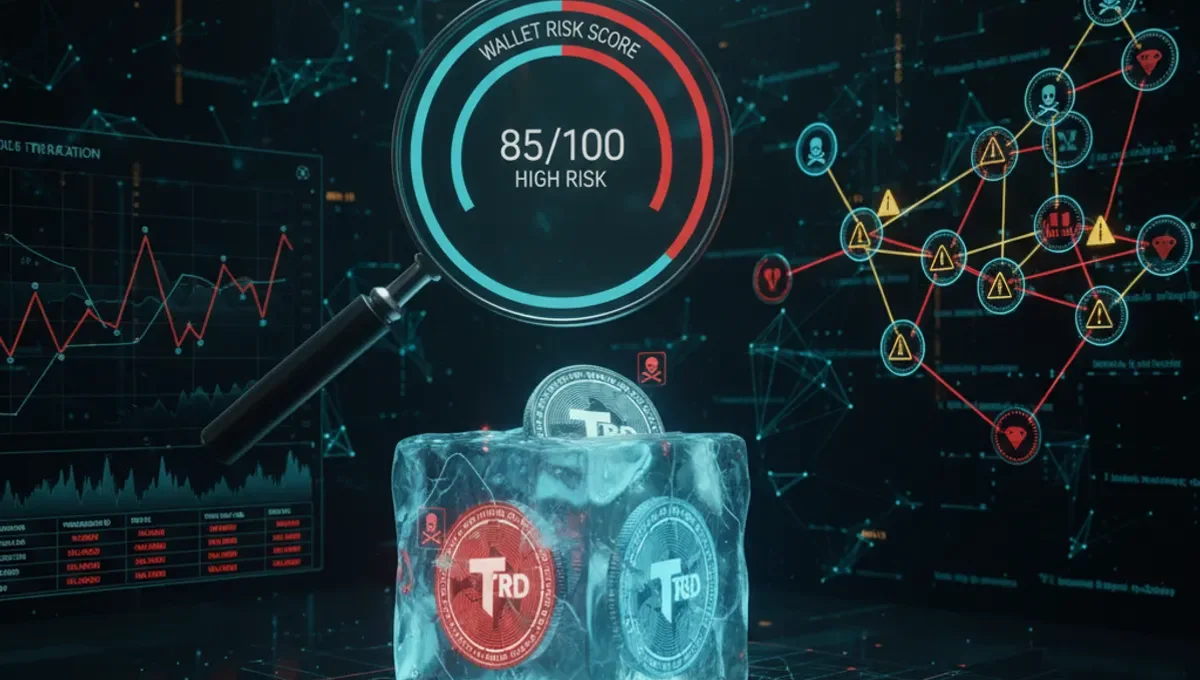
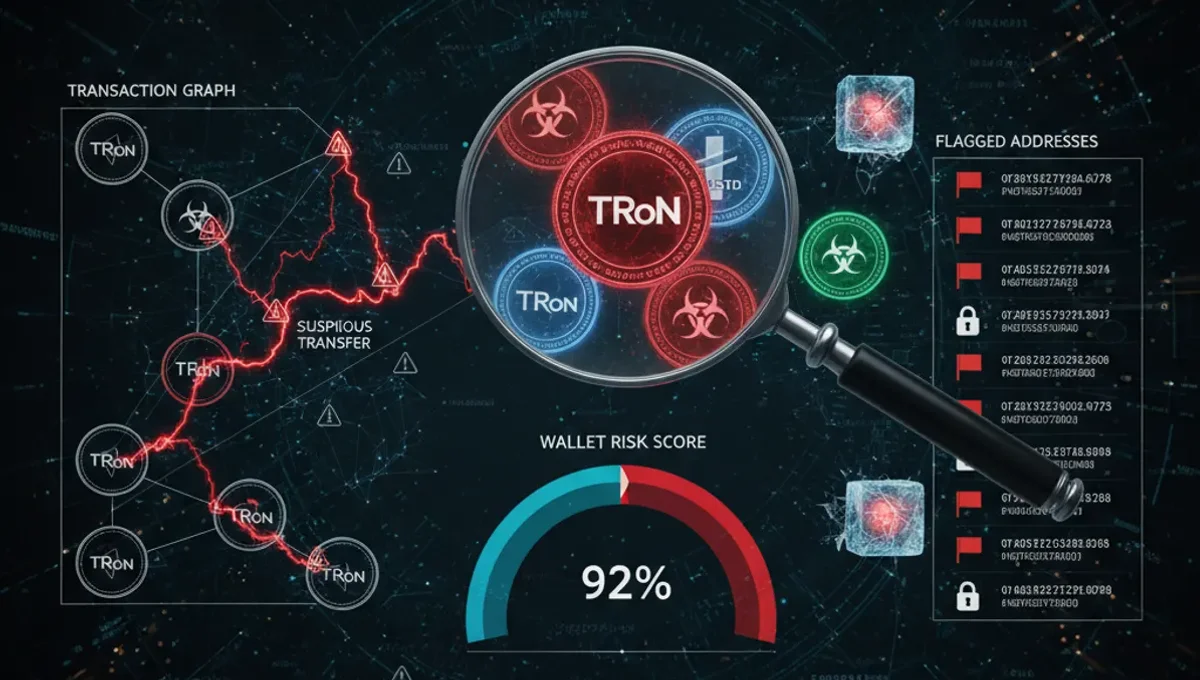
Step 3: Review the Risk Score Risk scores typically range from low (0-20%) to high (80-100%). A low score indicates minimal darknet exposure, no known theft links, and clean transaction history. A high score suggests the wallet has received funds from high-risk sources.
Step 4: Check Transaction History Examine where the funds originated. If the wallet received large transfers from darknet markets, mixers, or sanctioned addresses, the risk is elevated. Look for patterns: rapid fund movement, circular transactions, or transfers to multiple high-risk addresses.
Step 5: Decide on Acceptance If the risk score is below your institution's threshold (typically 20-30% for strict compliance), accept the transaction. If it's above your threshold, request additional documentation from the sender or decline the transfer.
Most exchanges and custodians use automated AML transaction monitoring services to perform these checks instantly. Consult the curated list of verified AML services on this site for trusted screening tools that provide detailed transaction monitoring reports.
Understanding Risk Score Levels and Acceptable Thresholds
Risk scores quantify the likelihood that a wallet or transaction is associated with illicit activity. Scores are typically expressed as percentages:
Low Risk (0-20%): The wallet has clean transaction history, no known darknet exposure, and no links to theft or sanctions. Transactions from low-risk wallets are generally approved without additional review.
Medium Risk (20-50%): The wallet has received funds from moderate-risk sources or shows some suspicious patterns, but no confirmed illicit activity. These transactions may require manual review or additional due diligence.
High Risk (50-80%): The wallet has received funds from known high-risk addresses, darknet markets, or mixing services. Transactions are typically flagged for compliance review or rejected.
Critical Risk (80-100%): The wallet is directly linked to theft, ransomware, sanctions violations, or active darknet markets. Transactions are usually blocked immediately.
Acceptable Thresholds: Most regulated exchanges accept transactions with risk scores below 20-30%. Stricter institutions may set thresholds at 10-15%. The threshold depends on the institution's risk appetite, regulatory environment, and customer base.
A wallet can have a high risk score for legitimate reasons: it may have received a small amount from a mixer as part of a larger transaction, or it may have been used by a previous owner who engaged in risky behavior. Context matters—a single high-risk transaction in an otherwise clean history is less concerning than multiple transfers to darknet addresses.
Always review the specific flagged transactions, not just the overall score, before making a decision.
What Happens When Coins Are Flagged as Tainted or Dirty
When cryptocurrency transaction monitoring systems flag coins as tainted (linked to illicit activity), several outcomes are possible:
Exchange Freezes: If you deposit tainted coins on an exchange, the exchange may freeze your account pending investigation. The freeze can last days or weeks while compliance teams review the transaction history.
Account Bans: Exchanges may permanently ban accounts associated with tainted coins, especially if the coins are linked to theft, ransomware, or sanctions violations. This prevents future trading and may result in fund forfeiture.
Forced Redemption: Some exchanges require users to prove the legitimate source of tainted coins or face account closure. If you cannot provide documentation, the exchange may liquidate your holdings or return them to the original sender.
Wallet Blacklisting: Wallets that receive tainted coins may be added to internal blacklists, making future transactions difficult. Other exchanges may refuse to accept deposits from blacklisted wallets.
Legal Liability: In some jurisdictions, knowingly receiving stolen or sanctioned cryptocurrency can result in legal consequences. Individuals may face civil or criminal charges if they fail to report tainted funds or attempt to launder them.
Mitigation: If your coins are flagged, contact the exchange immediately and provide documentation of the legitimate source. If you received the coins unknowingly, explain the circumstances. Exchanges may lift freezes if they determine the transaction was innocent or if you can prove the funds originated from a legitimate source.
The key is to avoid receiving tainted coins in the first place by running AML transaction monitoring checks before accepting transfers.
Best Practices for Avoiding Tainted Cryptocurrency
Protecting yourself from tainted coins requires vigilance and proper screening:
Screen All Incoming Transfers: Before accepting cryptocurrency, especially large amounts, verify the sender's wallet address using blockchain transaction monitoring tools. This is the single most effective prevention measure.
Use Reputable Exchanges: Trade only on regulated exchanges that conduct AML transaction monitoring. These platforms have compliance teams that screen incoming and outgoing transfers, reducing the risk of tainted coins entering your wallet.
Avoid Mixing Services: Do not use cryptocurrency mixers or tumblers. These services are designed to obscure transaction trails and are flagged by all major monitoring systems. Using a mixer can taint your coins and result in account freezes.
Verify Large Transfers: If someone offers to send you a large amount of cryptocurrency, ask for the transaction hash and verify it on the blockchain before accepting. Scammers often use fake transaction confirmations.
Keep Records: Maintain documentation of all cryptocurrency transactions, including dates, amounts, and sender/receiver addresses. If your coins are flagged, this documentation can help prove legitimate acquisition.
Use Cold Storage Carefully: If you store cryptocurrency in a personal wallet, ensure you only receive funds from verified sources. Once coins are in your wallet, they are your responsibility.
Monitor Your Wallet: Periodically check your wallet address using blockchain transaction monitoring tools. If you discover unexpected transactions or high-risk fund flows, investigate immediately.
Most importantly, use the verified AML services listed on this site to screen wallets and transactions. These tools provide detailed transaction monitoring reports and help you make informed decisions about which transfers to accept.
Frequently asked questions
What is the difference between transaction monitoring and wallet screening?
Transaction monitoring tracks individual transfers and fund flows across blockchains to detect suspicious activity. Wallet screening analyzes a specific wallet's entire history, sources of funds, and associated risk factors. Monitoring is continuous and real-time; screening is typically performed on-demand before accepting a transfer. Both are essential for AML compliance.
Can I receive USDT or TRX from a high-risk wallet?
Technically yes, but it's not recommended. If you receive funds from a high-risk wallet, your exchange account may be frozen or banned during compliance review. Most exchanges reject deposits from wallets with risk scores above 30-50%. Always screen the sender's wallet before accepting cryptocurrency.
How long does it take for cryptocurrency transaction monitoring to flag a transaction?
Most automated systems flag transactions in seconds to minutes. However, manual review by compliance teams can take hours or days. Exchanges typically notify users of flagged transactions within 24 hours. The time depends on the blockchain's confirmation speed and the exchange's review capacity.
What should I do if my wallet is flagged as high-risk?
Contact the exchange or service that flagged your wallet and request a detailed explanation. Provide documentation of legitimate fund sources. If the flag is incorrect or based on outdated information, request a review. If you received tainted coins unknowingly, explain the circumstances. Most exchanges will lift freezes if they determine the transaction was innocent.
Are cryptocurrency transaction monitoring rules the same worldwide?
No. Monitoring rules vary by jurisdiction and institution. Some countries have stricter AML requirements than others. Regulatory bodies like the FATF provide guidance, but implementation differs. Always check your local regulations and your exchange's AML policy to understand which transactions may be flagged or blocked.