What Is a TRON Address: Format and Structure
A TRON address is a 34-character string that always begins with the letter 'T', followed by alphanumeric characters. Each address is mathematically derived from a private key, ensuring that only the holder of that private key can authorize transactions from that address. The address format is standardized across all TRON wallets and exchanges, making it universally recognizable on the TRON network. Unlike Bitcoin or Ethereum addresses, which use different encoding schemes, TRON addresses use Base58Check encoding. This format makes addresses human-readable while maintaining cryptographic security. When you create a TRON wallet, the system generates both a private key (which you must keep secret) and a public address (which you can share freely). The address itself is not sensitive information; it is the private key that grants control over the funds.
How TRON Addresses Work on the Blockchain
Every transaction on the TRON blockchain is permanently recorded and linked to a TRON address. This immutability means that the transaction history of any address is publicly visible and traceable. When you send TRX or USDT to a TRON address, the blockchain records the sender's address, receiver's address, amount, timestamp, and transaction hash. This transparency is a core feature of blockchain technology but also creates compliance challenges. Addresses can accumulate transaction history that may include interactions with mixers, darknet markets, scams, or sanctioned entities. This history is what AML (anti-money laundering) screening tools analyze. A single TRON address can hold multiple types of assets simultaneously, including TRX (the native token) and TRC20 tokens like USDT. The address balance and all associated transactions are queryable by anyone using a blockchain explorer, making it impossible to hide transaction history once funds are on-chain.
What Is AML in Crypto and Why Check TRON Addresses
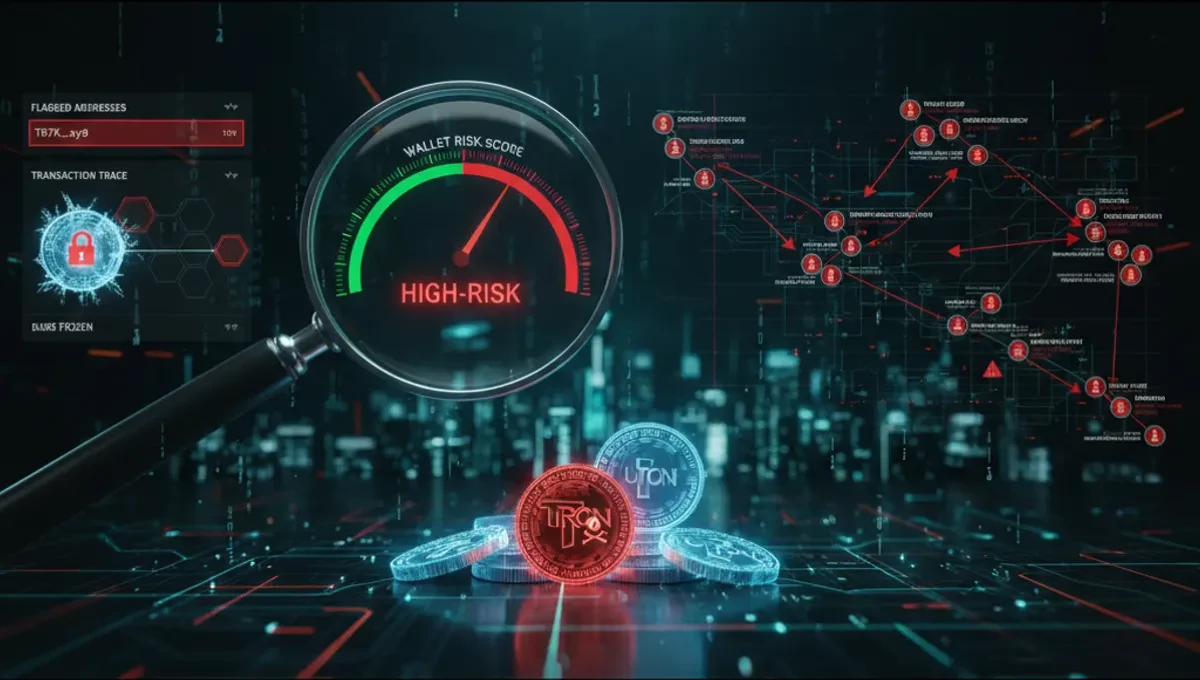
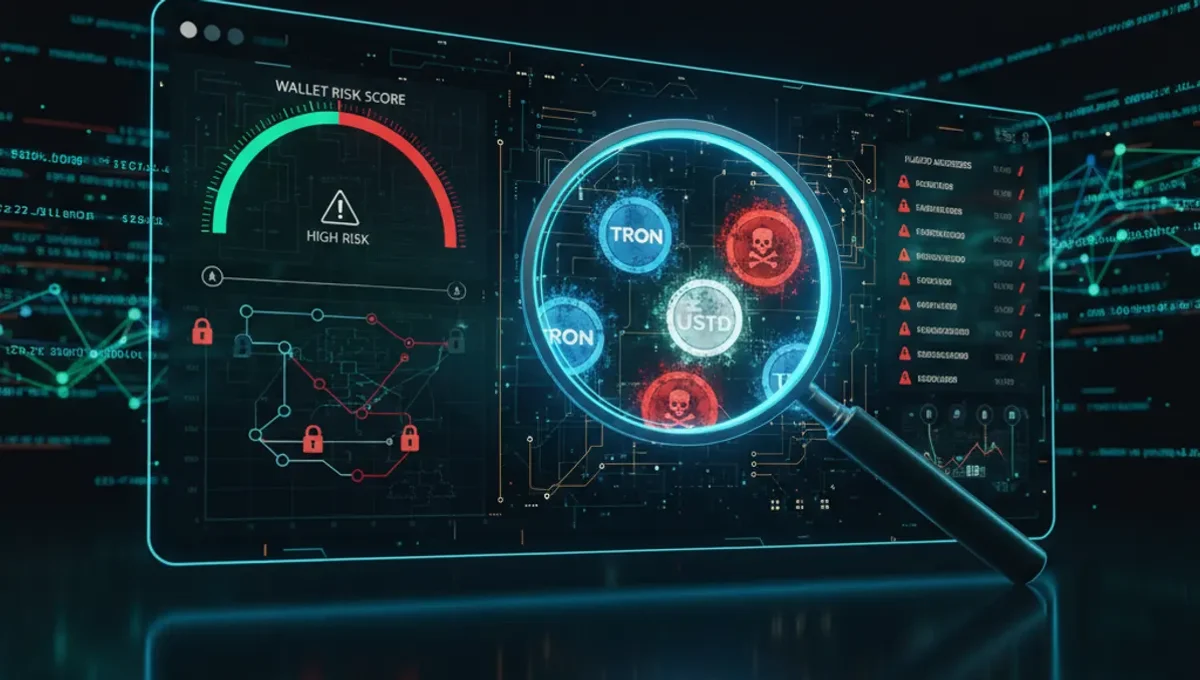
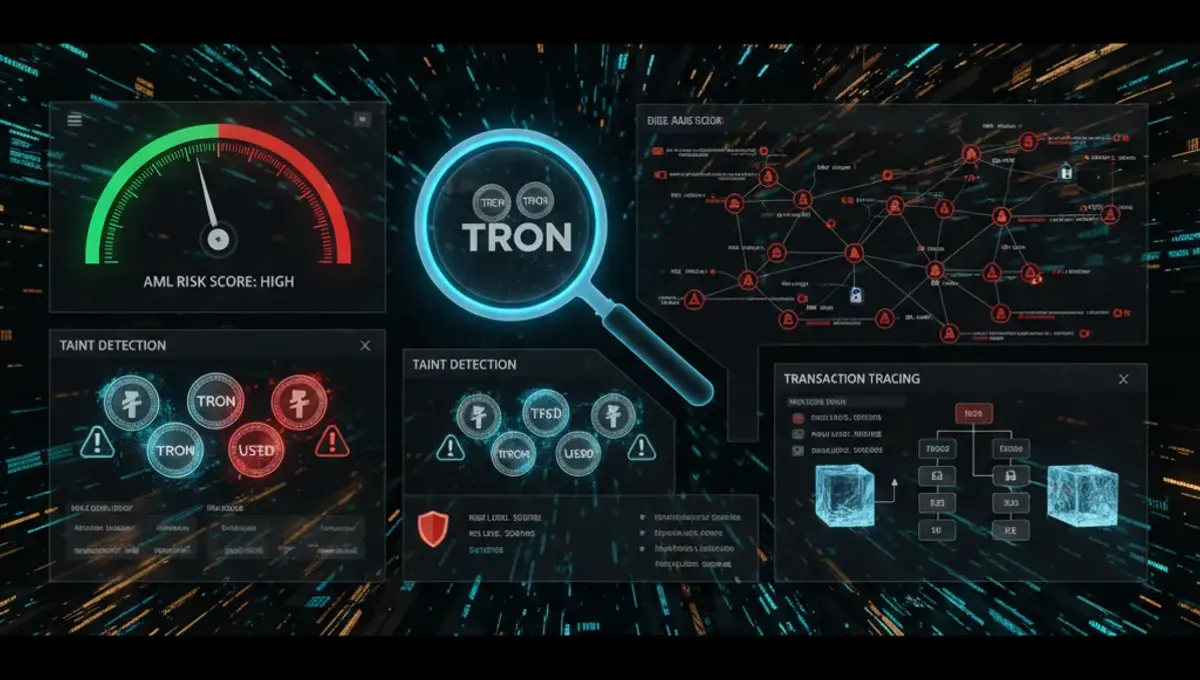
AML (anti-money laundering) in crypto refers to compliance procedures designed to detect and prevent illicit fund flows. AML crypto screening involves checking wallet addresses against sanctions lists, known darknet markets, theft databases, and transaction patterns associated with illegal activity. When you receive funds to a TRON address, that address may become flagged if it has received tainted coins or has been linked to high-risk behavior. Exchanges and custodians perform AML checks to avoid regulatory penalties and account freezes. A TRON address check examines the address's transaction history, counterparty risk, and exposure to illicit sources. Red flags in AML include: direct transactions with known mixers, deposits from darknet markets, stolen funds, sanctioned entity involvement, and gambling platforms. Checking a TRON address before accepting large transfers helps you avoid receiving frozen or tainted USDT, which can result in exchange account restrictions or asset seizure. This is why institutional and compliant traders always verify incoming addresses.
How to Check a TRON Address for AML Risk and Tainted Coins
To check a TRON address for AML risk, follow these steps:
- Obtain the TRON address you want to verify (it starts with 'T' and is 34 characters long).
- Use a dedicated AML check service to screen the address. Our curated list of verified AML services on the AML Services page includes trusted tools that analyze TRON addresses for risk exposure.
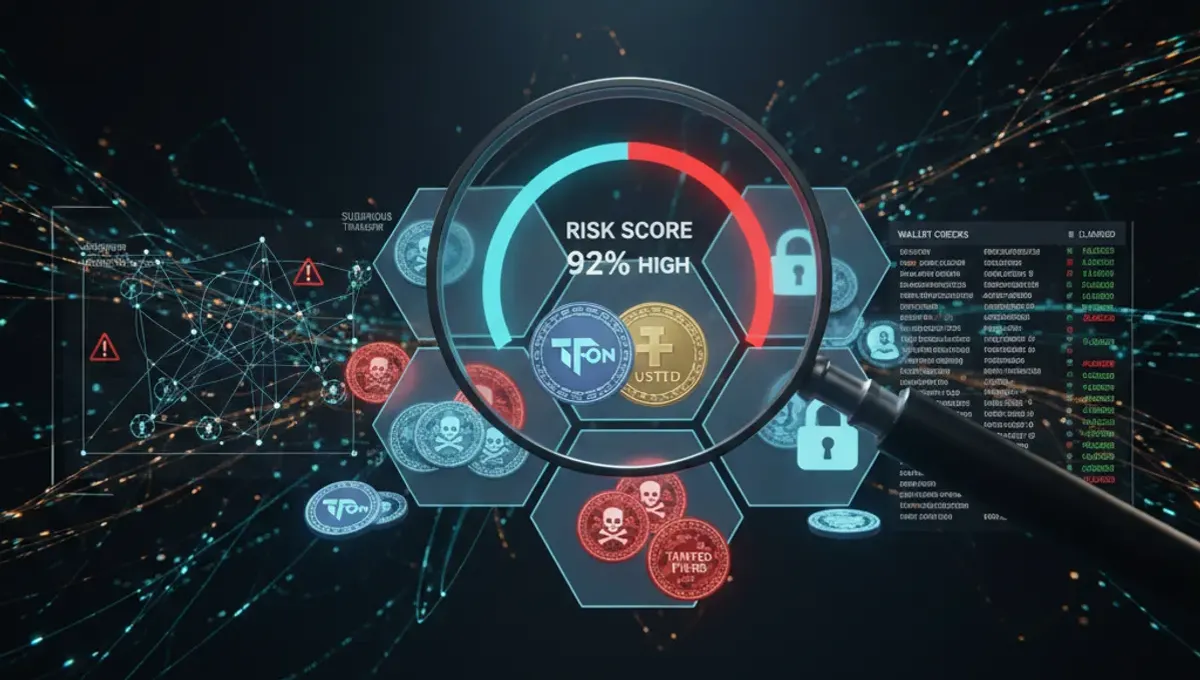
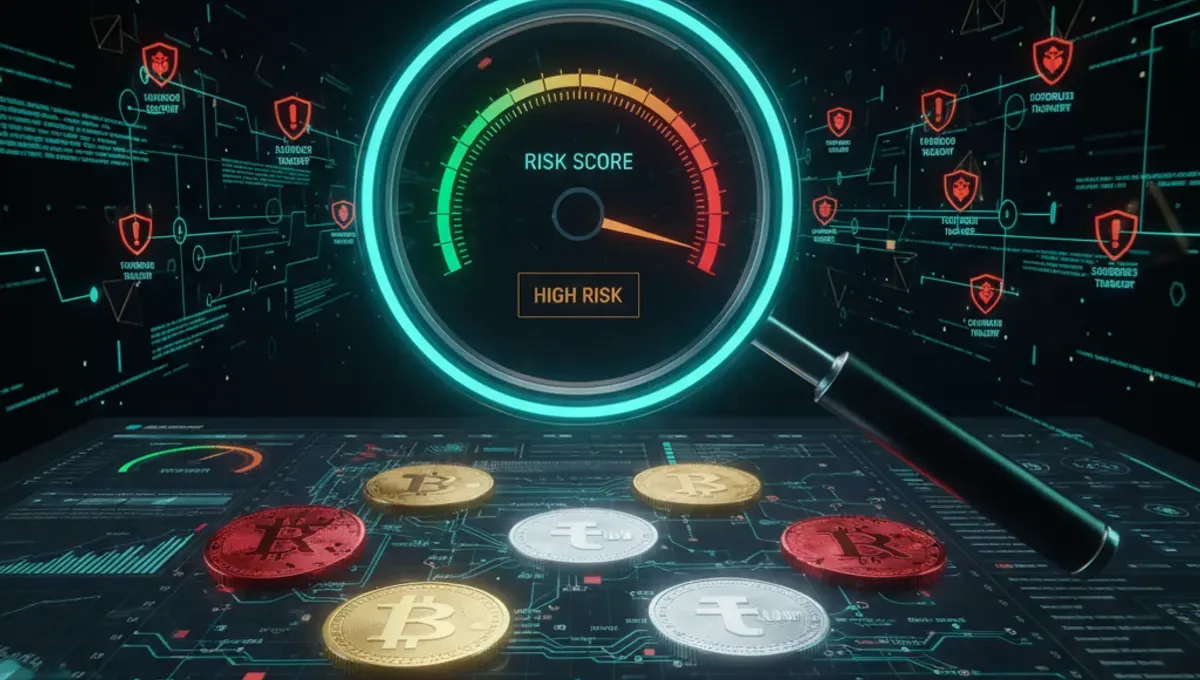
- The service will return a risk score (typically ranging from low to high) and a detailed report of the address's transaction history.
- Review the report for red flags: transactions with known mixers, darknet market deposits, stolen fund markers, or sanctioned entity involvement.
- Check the specific counterparties the address has transacted with; high-risk counterparties increase the address's overall risk profile.
- Decide whether to accept the transfer based on your risk tolerance and compliance requirements.
A tron address checker analyzes on-chain data to identify patterns and associations that indicate illicit activity. The process is automated and typically returns results within seconds. Most AML services provide both a risk score and a detailed breakdown of risk factors, allowing you to make informed decisions about whether to proceed with a transaction.
Understanding AML Risk Scores and Red Flags
An AML risk score is a numerical rating that reflects the likelihood that a TRON address has been involved in illicit activity. Risk scores typically range from 0 (very low risk) to 100 (very high risk), though scoring systems vary by service. A low risk score (0–20) suggests minimal exposure to known illicit sources. A medium risk score (21–50) indicates some exposure to higher-risk activities but not necessarily illegal conduct. A high risk score (51–100) suggests direct or indirect involvement with known illicit actors, stolen funds, or darknet markets.
Common AML red flags include: - Direct transactions with known mixers or tumblers - Deposits from darknet marketplace addresses - Transfers involving stolen cryptocurrency - Interactions with sanctioned entities or individuals - Rapid fund movement through multiple addresses (chain hopping) - Deposits from gambling platforms (high regulatory risk) - Transactions with addresses flagged in law enforcement databases
Not all red flags indicate illegal intent; some may reflect legitimate business activity. However, they warrant investigation. Exchanges typically freeze accounts or reject deposits from addresses with risk scores above 70–80, depending on their compliance policy. Understanding these thresholds helps you assess whether a TRON address is safe to transact with.
What Happens When USDT or TRX Becomes Frozen or Flagged
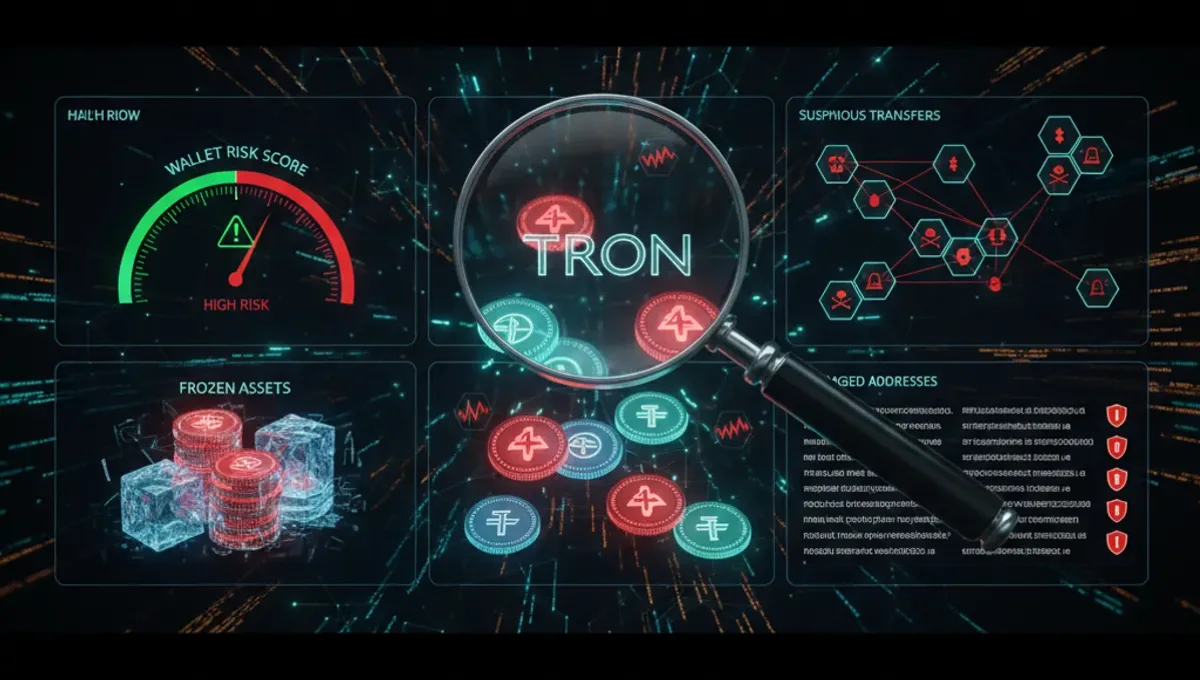
When a TRON address receives tainted coins or is flagged as high-risk, several consequences can follow. Exchanges may freeze the account associated with that address, preventing you from withdrawing or trading the funds. USDT on the TRON network (TRC20 USDT) can be frozen by Tether if the address is linked to illicit activity or sanctions violations. This freeze is permanent and irreversible; the funds become inaccessible even if you own them. If you deposit flagged USDT into an exchange, the exchange may reject the deposit or freeze your account pending investigation. This can result in weeks or months of account suspension and mandatory KYC (know-your-customer) review. In severe cases, exchanges may permanently close your account and forfeit the funds. Stolen cryptocurrency is another risk; if you receive TRX or USDT that was stolen in a hack, law enforcement or the original owner may recover those funds, leaving you with nothing. This is why checking a TRON address before accepting large transfers is critical. Accepting tainted coins exposes you to regulatory risk, account freezes, and potential loss of funds.
Best Practices for Verifying TRON Addresses Before Transactions
Before accepting or sending funds to a TRON address, follow these best practices:
- Always verify the address format: confirm it starts with 'T' and is exactly 34 characters long. Typos or phishing attempts may use similar-looking addresses.
- Run an AML check on the address using a trusted service. Start with the verified AML services listed on our AML Services page, which have been vetted for accuracy and compliance.
- Review the full transaction history of the address using a TRON blockchain explorer (such as Tronscan) to identify any suspicious patterns.
- Check the counterparties: if the address has transacted with known mixers, darknet markets, or sanctioned entities, treat it as high-risk.
- Set a risk threshold for your business: decide what risk score level you will accept. Many institutions reject addresses with scores above 50–70.
- Document your due diligence: keep records of AML checks and risk assessments for compliance audits.
- For large transfers, consider using escrow or multi-signature verification to add an extra layer of security.
- If you receive flagged USDT or TRX, do not deposit it into an exchange; contact the sender and request a replacement transfer from a clean address.
These practices protect you from regulatory penalties, account freezes, and loss of funds due to tainted coins.
Frequently asked questions
How do I find my TRON address?
Your TRON address is displayed in any TRON wallet application (mobile, desktop, or web-based). Open your wallet, look for the 'Receive' or 'Address' section, and copy the 34-character string starting with 'T'. You can also generate a new TRON address by creating a wallet on platforms like TronLink, Ledger, or Trezor. Each wallet generates a unique address derived from your private key.
Can a TRON address be traced?
Yes, TRON addresses can be traced because all transactions are recorded on the public blockchain. Anyone can view the transaction history of any address using a blockchain explorer. However, the identity behind an address is not automatically revealed; tracing requires linking the address to a known entity through exchange records, law enforcement databases, or blockchain analysis. This is why AML checks are necessary to identify high-risk addresses.
What does a high AML risk score mean for a TRON address?
A high AML risk score (typically above 70) indicates that the address has been involved in or exposed to illicit activity such as theft, darknet transactions, or sanctions violations. High-risk addresses are often rejected by exchanges, and deposits from these addresses may be frozen. You should avoid accepting funds from addresses with high risk scores unless you have a specific business reason and proper compliance documentation.
Is it safe to receive USDT to a TRON address?
Receiving USDT to a TRON address is safe if the sender's address has been verified as low-risk. Always check the sender's TRON address using an AML check service before accepting large transfers. If the sender's address is flagged or high-risk, the USDT you receive may be frozen by Tether or rejected by exchanges, leaving you unable to access the funds.
How do I know if my TRON address has been compromised?
Monitor your TRON address using a blockchain explorer (Tronscan) to review all incoming and outgoing transactions. If you see unauthorized transactions, your private key may have been compromised. Immediately move your funds to a new address generated from a fresh private key. Never share your private key with anyone. If your address has been flagged as high-risk due to receiving stolen funds, contact the sender and request a replacement transfer from a clean address.