What Is a Wallet Check and How Does It Work
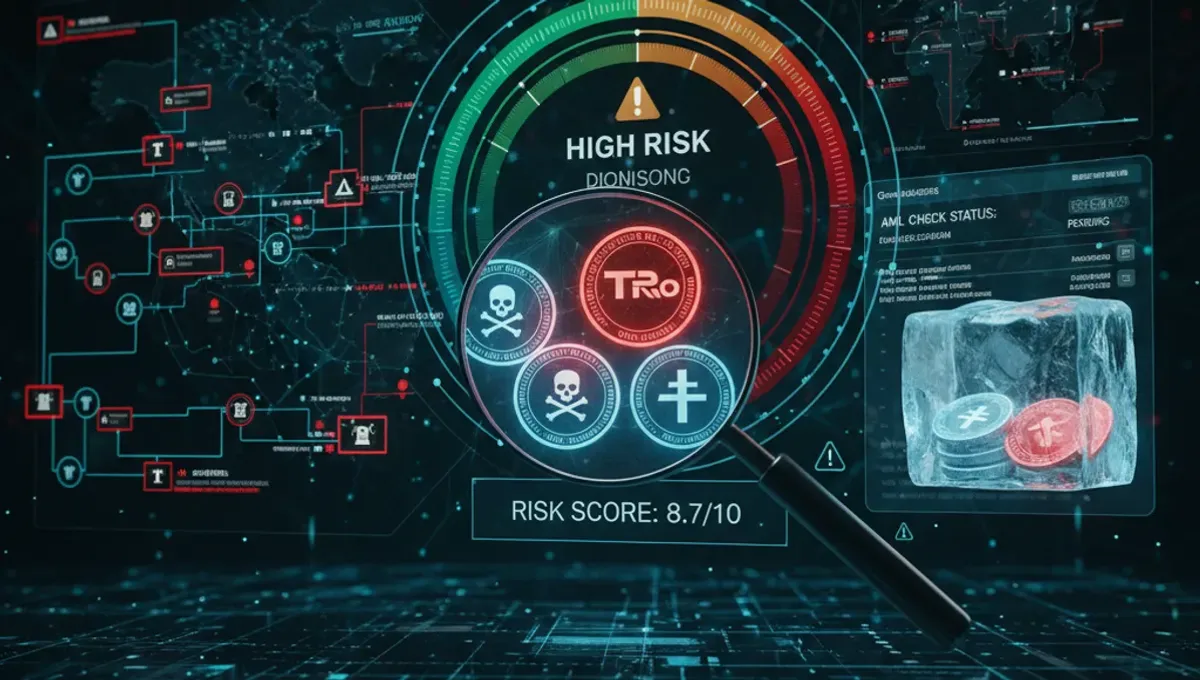
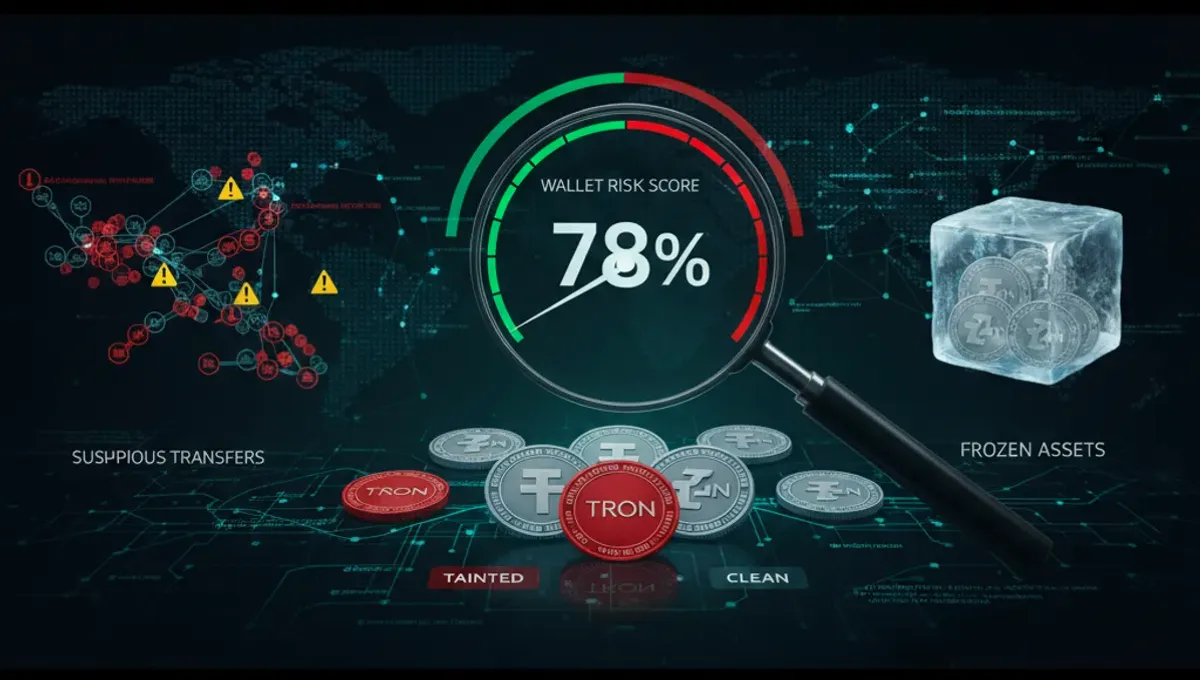
A wallet check is a blockchain analytics scan that examines the transaction history and source of funds in a crypto address. It works by tracing on-chain activity backward to identify whether coins have been involved in high-risk behavior. The system flags addresses linked to mixers (which obscure transaction origins), darknet markets, scams, stolen funds, sanctioned entities, or gambling platforms. When you run a wallet check on a TRX, USDT, BTC, or ETH address, the tool compares it against known risk databases and returns a risk score—typically ranging from low (clean funds) to critical (strong compliance red flags). This process is called Know Your Transaction (KYT) and is a core part of crypto wallet screening.
How AML Checks Score and Rate Cryptocurrency Wallets
AML checks assign risk scores based on transaction patterns and historical associations. A low risk score means the address has clean transaction history with no known illicit connections. A medium risk score indicates some mixer use or minor darknet exposure but no direct theft or sanctions links. A high or critical risk score flags direct involvement with stolen funds, active darknet markets, sanctioned entities, or major mixing services. The scoring system weighs factors like: transaction frequency to known-risky addresses, time spent in mixers, direct receipt from blacklisted wallets, and volume of funds involved. Different AML services use slightly different thresholds, but most follow similar principles. Understanding these risk levels helps you decide whether to accept incoming funds or investigate further before settlement.
Step-by-Step: How to Check a Crypto Wallet Before Receiving Funds
To check a wallet before receiving USDT, TRX, BTC, or ETH, follow these steps:
- Obtain the sender's full wallet address (ensure it matches exactly—typos matter).
- Visit a trusted AML check service (our curated list of verified AML services on this site includes tools that screen TRX, USDT, and BTC addresses).
- Paste the address into the wallet screening tool.
- Review the risk score and detailed report, which typically shows transaction history, mixer involvement, darknet exposure, and sanctions flags.
- Check the risk score threshold your exchange or business accepts (many accept low-to-medium but reject high or critical).
- If the score is acceptable, proceed; if it's high or critical, ask the sender for clarification or decline the transaction.
- Document the check result for compliance records.
This process takes minutes and protects you from receiving tainted coins that could trigger account freezes or regulatory investigation.
What Risk Score Levels Mean and When to Accept Funds
Risk score levels vary by service, but most follow a four-tier model:
Low Risk: Address has clean transaction history, no mixer use, no darknet exposure, no sanctions flags. Safe to accept.
Medium Risk: Minor mixer activity, some indirect darknet exposure, or low-volume risky transactions. Acceptable for most businesses, but verify context.
High Risk: Significant mixer use, direct darknet market links, or stolen fund associations. Most exchanges reject these. Investigate before accepting.
Critical Risk: Active sanctioned entity, major theft proceeds, or ongoing darknet market operation. Reject immediately and report to compliance.
Your acceptable threshold depends on your jurisdiction and business model. Exchanges typically reject high and critical; peer-to-peer traders may accept medium with caution. Always document your decision and the risk score for audit trails.
Common Reasons Wallets Get Flagged as High Risk
Wallets receive high-risk flags for several reasons:
Mixer Involvement: Coins sent through privacy mixers (which break transaction trails) are flagged because the origin becomes obscured.
Darknet Exposure: Direct receipt from or sending to darknet market addresses triggers immediate flags.
Stolen Funds: Coins traced back to exchange hacks, wallet theft, or ransomware payments are marked as tainted.
Sanctions Violations: Addresses linked to sanctioned entities or countries face critical flags.
Scam Proceeds: Funds from Ponzi schemes, rug pulls, or phishing attacks are flagged.
Gambling Platforms: Some jurisdictions flag gambling-linked wallets depending on local rules.
A high-risk flag doesn't always mean the current holder is guilty—they may have received coins unknowingly. But exchanges and compliance teams treat flagged funds as liability, which can result in frozen USDT, account bans, or forced liquidation.
What Happens When Your Wallet or Coins Get Flagged
If your wallet or coins are flagged as high-risk, several consequences can follow:
Exchange Account Freeze: When you deposit flagged USDT or BTC, the exchange may freeze your account pending investigation.
Delayed Withdrawals: Funds may be held for days or weeks while compliance reviews the transaction history.
Account Closure: Persistent high-risk activity can result in permanent account termination and fund seizure (in extreme cases).
Regulatory Reporting: Exchanges report suspicious activity to financial authorities, creating a compliance record.
Reputational Damage: Flagged wallets become harder to use across platforms.
To avoid this, always run a wallet check before accepting large transfers. If you receive flagged coins, contact the sender immediately to understand the source. If the source is legitimate but flagged due to mixer use or indirect darknet exposure, document the explanation and provide it to your exchange during investigation. Transparency and documentation reduce the risk of account closure.
How to Choose an AML Check Service and Understand Pricing
When selecting an AML check service, consider these factors:
Coverage: Does it screen TRX, USDT, BTC, ETH, and other tokens you use.
Accuracy: Does it use real-time blockchain data and cross-reference multiple risk databases.
Speed: Can it return results in seconds, not hours.
Transparency: Does it show detailed transaction history and explain why a wallet is flagged.
Pricing: Some services offer free checks with limited detail; others charge per scan or offer monthly subscriptions. Free AML checks typically show basic risk scores; paid services include full transaction history and sanctions screening.
Our curated list of verified AML services on this site includes tools that balance cost, accuracy, and ease of use. Starting there ensures you're using trusted, compliant screening providers rather than unverified third-party tools. Most reputable services charge between a few cents and a few dollars per check, with bulk discounts for high-volume users.
Frequently asked questions
How much do AML checks cost
Free AML checks show basic risk scores with limited detail. Paid checks typically cost a few cents to a few dollars per scan, depending on the service and report depth. Monthly subscriptions for high-volume users range from tens to hundreds of dollars. Our verified AML services list shows pricing for each tool so you can compare options.
Can I check a crypto wallet for free
Yes, many AML services offer free wallet checks with basic risk scoring. However, free checks usually omit detailed transaction history and sanctions screening. For comprehensive screening before accepting large transfers, paid checks are worth the cost. Check our curated AML services to find free and paid options.
What does a high risk score mean for a wallet
A high risk score indicates the wallet has significant mixer use, darknet exposure, stolen fund associations, or sanctions flags. Exchanges typically reject high-risk deposits and may freeze your account. Always investigate the source before accepting high-risk funds, and consider declining the transfer if the sender cannot explain the flag.
How long does a wallet check take
Most modern AML check services return results in seconds to a few minutes. Real-time blockchain analysis is standard. If a check takes hours, the service may be outdated or overloaded. Reputable services on our verified list provide instant or near-instant screening.
Will a wallet check reveal my identity
No. A wallet check only analyzes the address's transaction history and risk factors. It does not identify the wallet owner unless that information is already public (e.g., a known exchange address). Your privacy is protected; the check is purely technical analysis of on-chain data.