What Does It Mean to Check a Crypto Wallet
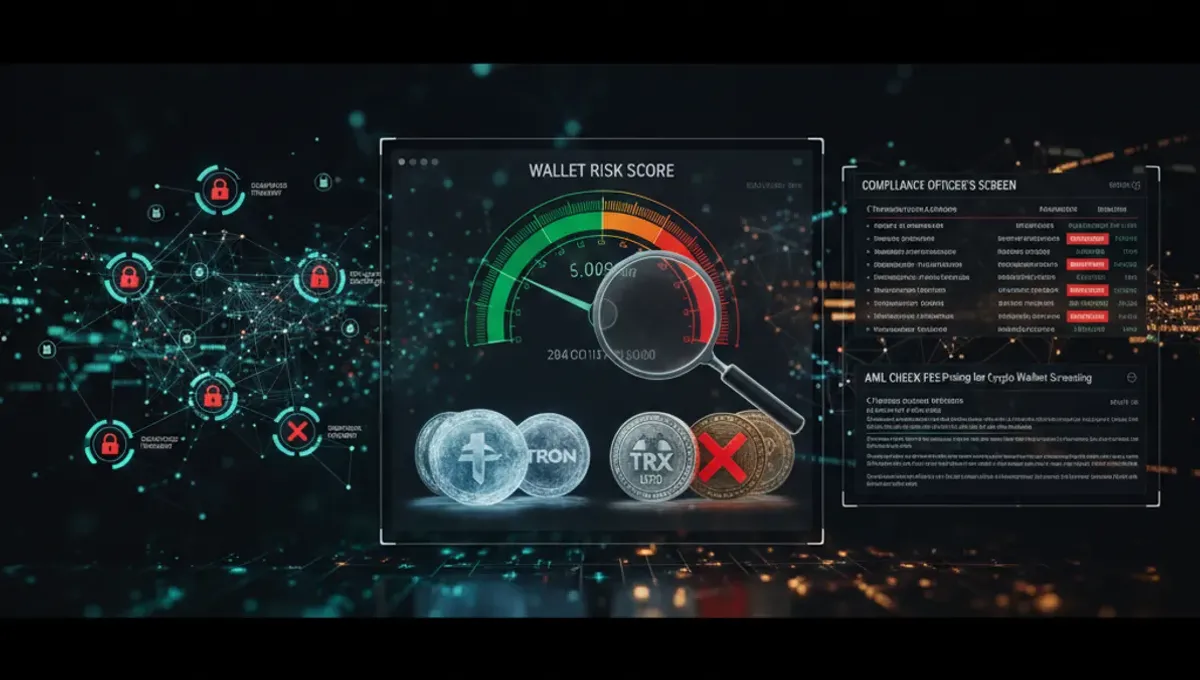
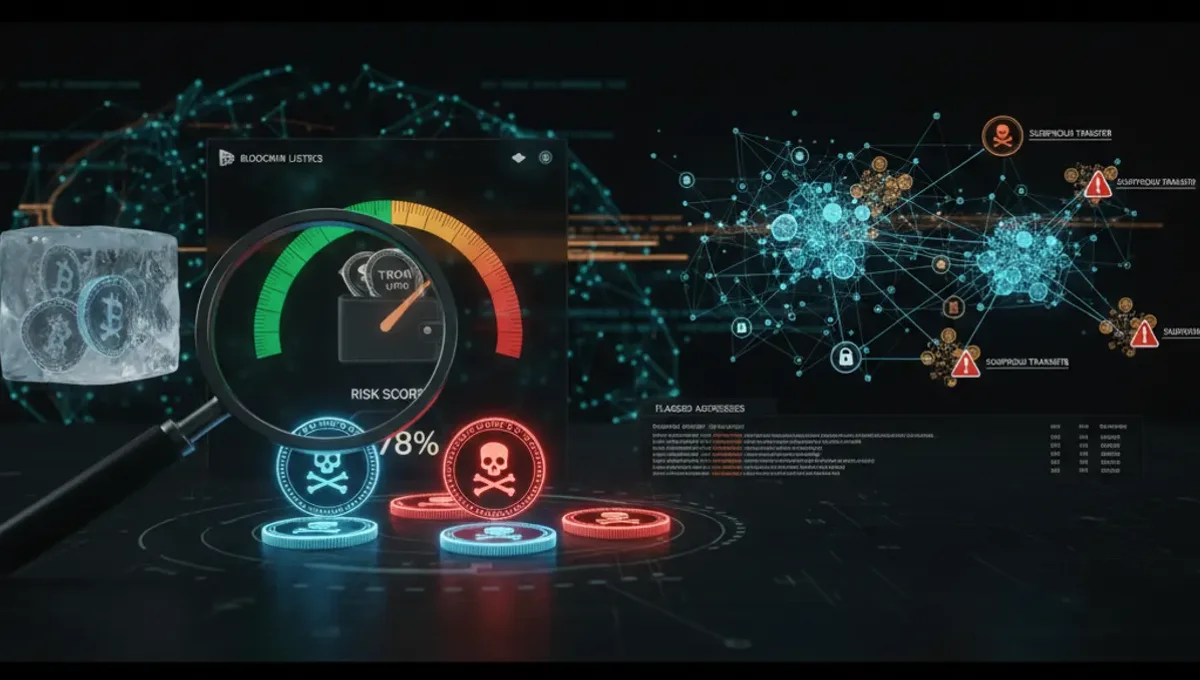
Checking a crypto wallet means examining its on-chain activity, transaction patterns, and associations with known risk categories. A crypto wallet check reveals whether funds have moved through mixers, darknet marketplaces, gambling platforms, or sanctioned entities. It also flags whether the wallet itself has been linked to theft, fraud, or regulatory violations. Blockchain is transparent—every transaction is recorded—but interpreting that data requires specialized tools. When you check a wallet, you're essentially asking: Is this address clean, or does it carry compliance risk? The answer comes in the form of an AML risk score, which rates the wallet on a scale that typically ranges from low risk (green) to high risk (red).
How AML Scoring Works for Crypto Wallets
AML (Anti-Money Laundering) scoring assigns a numerical or categorical risk rating to a wallet based on its transaction history and associations. The scoring system evaluates several factors: whether the wallet has received funds from known theft incidents, whether it has interacted with sanctioned addresses, whether it has sent or received coins through mixing services, and whether it shows patterns consistent with darknet market activity or gambling platforms. Each interaction is weighted; a single transaction from a mixer carries more risk weight than a routine exchange deposit. The resulting score tells you the likelihood that the wallet's funds are compromised or subject to regulatory action. Most AML services use a 0–100 scale or color-coded levels (green, yellow, red). A low score means the wallet appears clean; a high score means it carries significant compliance risk and may trigger exchange freezes or account restrictions.
Step-by-Step: How to Check a Wallet Before Receiving USDT or TRX
Follow these steps to check a wallet's AML status before accepting a transfer:
1. Obtain the wallet address from the sender. For Tron (TRX/USDT), it starts with 'T'; for Bitcoin, it starts with '1', '3', or 'bc1'; for Ethereum, it starts with '0x'.
2. Visit a trusted AML check service. Our curated list of verified AML services on this site includes tools that support TRX, USDT, BTC, and ETH screening. Start there to ensure you're using a legitimate, transparent service.
3. Enter the wallet address into the screening tool.
4. Review the risk score and detailed report. Look for flags: mixer interactions, darknet exposure, theft history, sanctioned entity links, or gambling platform connections.
5. Check the transaction history. Examine the wallet's recent activity—where funds came from, where they went, and any suspicious patterns.
6. Decide whether to accept the transfer. If the risk score is low (green) and no major red flags appear, the wallet is likely safe. If the score is high (red) or shows darknet or mixer exposure, decline the transfer or request clarification from the sender.
7. Document the check. Keep a record of the AML report for compliance purposes, especially if you're a business or exchange operator.
Understanding Crypto Wallet Risk Score Levels
Risk scores typically fall into three or four categories:
Low Risk (Green): The wallet shows no significant associations with illicit activity, theft, sanctions, or high-risk platforms. Transactions appear routine and traceable to legitimate sources. Receiving funds from a low-risk wallet carries minimal compliance exposure.
Medium Risk (Yellow): The wallet has some exposure to risk factors—perhaps a small transaction through a mixer, or a connection to a gambling platform—but no direct links to theft or sanctions. Medium-risk wallets warrant caution but are not automatically blocked by most exchanges.
High Risk (Red): The wallet has clear associations with darknet markets, major theft incidents, sanctioned entities, or heavy mixer usage. Receiving funds from a high-risk wallet can trigger exchange account freezes, regulatory scrutiny, or forced liquidation. Most compliant exchanges will block or flag these transfers.
Acceptable thresholds depend on your risk tolerance and regulatory obligations. Individuals may accept medium-risk transfers; businesses and exchanges typically accept only low-risk wallets. If you're unsure, check the wallet through our verified AML services list to get a professional assessment.
What Happens If Your Coins Are Flagged as Tainted
If you receive or hold coins flagged as tainted—linked to theft, sanctions, or darknet activity—several consequences can follow:
Exchange Account Freeze: When you attempt to deposit flagged coins into an exchange, the platform's compliance system detects the tainted history and freezes your account pending investigation. This can last days, weeks, or indefinitely.
Funds Seized or Liquidated: In severe cases, exchanges may liquidate tainted holdings or hold them in escrow. Some jurisdictions allow exchanges to seize funds linked to sanctions or theft without returning them.
Account Closure: Repeated deposits of tainted coins can result in permanent account closure and blacklisting across multiple platforms.
Regulatory Reporting: Exchanges report suspicious activity to financial intelligence units. This creates a compliance record that may affect your ability to use other services.
Legal Complications: If the coins are linked to a specific theft or crime, law enforcement may contact you. Possession of stolen funds, even unknowingly, can create legal liability in some jurisdictions.
To avoid this, always check the sending wallet's AML status before accepting large transfers. If you already hold flagged coins, consult a compliance specialist or legal advisor about your options.
Common Risk Categories: Mixers, Darknet, Theft, and Sanctions
When you check a crypto wallet, the AML report flags specific risk categories:
Mixers: Services that deliberately obscure transaction trails by combining and splitting funds. Mixer interaction is a major red flag because it suggests the sender is trying to hide the coins' origin. Most exchanges treat mixer-exposed coins as high-risk.
Darknet Markets: Wallets that have received or sent funds to known darknet marketplace addresses (silk road successors, drug markets, etc.). Darknet exposure is a critical compliance risk and typically results in account freezes.
Theft: Coins traced back to a specific theft incident—exchange hacks, wallet compromises, or fraud. Stolen coins carry legal risk; law enforcement may pursue recovery, and you may be forced to return them.
Sanctions: Wallets linked to individuals or entities on government sanctions lists (OFAC, EU, UN, etc.). Receiving sanctioned funds is illegal in most jurisdictions and can result in criminal liability.
Gambling: Coins from or to gambling platforms. While not illegal, gambling exposure can increase scrutiny from compliance teams and may trigger account reviews.
Scams: Coins linked to known Ponzi schemes, rug pulls, or investment fraud. Scam-exposed coins carry reputational and legal risk.
When you check a wallet, the report will specify which categories apply, allowing you to make an informed decision.
How to Avoid Receiving Tainted Crypto
Protecting yourself from tainted coins requires proactive wallet screening:
Always check before accepting: Make it a rule to run an AML check on any wallet sending you a significant amount. Use our verified AML services list to find trusted screening tools for TRX, USDT, BTC, and ETH.
Request wallet history from senders: Ask the sender where the coins came from. Legitimate senders can explain their transaction history; suspicious senders often cannot or refuse.
Use reputable exchanges: Deposit and withdraw only through exchanges with strong compliance programs. These platforms screen incoming deposits, reducing the chance you'll receive flagged coins.
Avoid peer-to-peer transfers of unknown origin: Direct wallet-to-wallet transfers bypass exchange screening. If you must accept direct transfers, always check the sending wallet first.
Keep records: Document all AML checks and wallet screening reports. This creates a compliance trail showing you exercised due diligence.
Educate yourself on red flags: Learn to recognize suspicious patterns—sudden large transfers from new addresses, transfers from multiple mixers, or wallets with no clear transaction history.
When in doubt, decline: If a wallet's risk score is unclear or the sender cannot explain the coins' origin, it's safer to decline the transfer. The cost of caution is far lower than the cost of frozen accounts or regulatory complications.
Frequently asked questions
Can I check a crypto wallet for free
Some AML services offer limited free checks with basic risk scoring; others charge per lookup. Our verified AML services list includes options with free tiers and paid plans. Free checks typically show the risk score and major red flags; paid reports provide detailed transaction history and specific risk category breakdowns. For occasional checks, free tools suffice; for regular screening, paid services are more reliable.
How long does an AML check take
Most AML checks complete in seconds to a few minutes. The tool queries blockchain data and compares the wallet against known risk databases. Real-time checks are standard. Some services offer instant results; others may take up to an hour if they perform deeper analysis. For urgent decisions, instant-result services are preferable.
What if a wallet has a medium risk score
A medium (yellow) risk score means the wallet has some exposure to risk factors—perhaps mixer interaction or gambling platform links—but no direct theft or sanctions flags. Whether to accept depends on your risk tolerance and regulatory obligations. Individuals may accept medium-risk transfers; businesses typically require low-risk only. If unsure, request clarification from the sender or decline the transfer.
Does checking a wallet reveal my identity
No. Checking a wallet through an AML service does not reveal your identity to the wallet's owner. The check is a one-way lookup of public blockchain data. However, the AML service itself may log your query for compliance purposes. Use services from our verified AML list to ensure your privacy is protected.
Can I check a wallet on multiple blockchains
Yes, but you must check each blockchain separately. A TRX address on Tron cannot be checked using a Bitcoin tool. Our verified AML services list includes multi-chain tools that support TRX, USDT, BTC, ETH, and other major blockchains. Specify the blockchain and address type when running your check.