What Is a Crypto Wallet Risk Score?
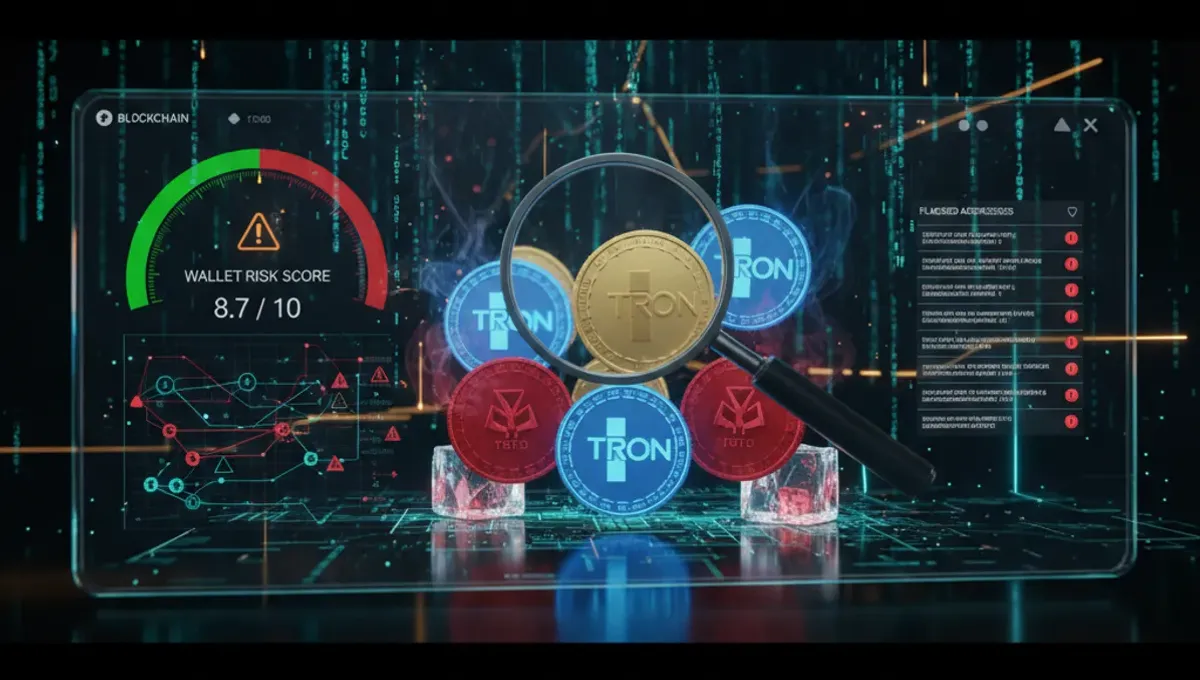
A crypto wallet risk score is a compliance metric assigned to a blockchain address based on its transaction history and associated entities. The score reflects the probability that funds in that wallet are tainted—meaning they originated from theft, ransomware, darknet markets, sanctions violations, or other illicit sources. Risk scores are calculated by blockchain analytics firms that trace on-chain transactions, identify wallet clustering patterns, and cross-reference addresses against known blacklists and sanctions databases. When you perform a crypto wallet screening or AML check on a wallet address, you receive a score that tells you whether it is safe to transact with that wallet. Exchanges and custodians use these scores to decide whether to accept deposits or freeze accounts. A low score suggests the wallet is legitimate; a high score signals compliance risk.
How Does AML Scoring Work for Crypto Wallets?
AML crypto wallet check systems analyze multiple data points to generate a risk score. First, they trace the transaction history of an address backward and forward on the blockchain to identify the source of funds. Second, they apply heuristic clustering—grouping addresses likely controlled by the same entity based on spending patterns and transaction timing. Third, they cross-reference the wallet against known blacklists: darknet market addresses, stolen fund databases, sanctioned entity lists, and gambling platforms. Fourth, they assess behavioral risk factors such as rapid fund movement, mixing service usage, or sudden large transfers to exchanges. The final score is typically a percentile or numeric range (e.g., 0–100 or low/medium/high). A wallet that received funds directly from a known mixer or darknet marketplace will score higher risk. A wallet with a clean chain of custody and no suspicious activity scores lower risk. The scoring model updates as new transaction data becomes available.
How to Check a Crypto Wallet Before Receiving Funds
Before accepting USDT, TRX, BTC, or any cryptocurrency, verify the sender's wallet address using an AML check service. Follow these steps:
- Obtain the sender's wallet address (TRC20, ERC20, BTC, or other network).
- Visit a trusted AML check provider—our curated list of verified AML services on this site includes tools that screen wallets across multiple blockchains.
- Paste the wallet address into the screening tool.
- Review the risk score and detailed report, which shows transaction history, associated entities, and any red flags.
- Check the risk level: green/low means the wallet is clean; yellow/medium indicates minor concerns; red/high means significant compliance risk.
- If the score is high, ask the sender for an alternative wallet or decline the transaction.
- Document the check result for your records in case of regulatory inquiry.
This process takes seconds and protects you from receiving stolen or sanctioned funds that could trigger account freezes or exchange bans.
Understanding Risk Score Levels and Thresholds
Risk scores are typically presented in three or four tiers, each with different implications:
Low Risk (0–20%): The wallet has a clean transaction history, no known association with illicit activity, and no connection to darknet markets or sanctions lists. Acceptable for most transactions.
Medium Risk (21–50%): The wallet shows minor red flags, such as occasional mixing service usage or indirect exposure to flagged addresses. Many exchanges accept these, but some may request additional verification.
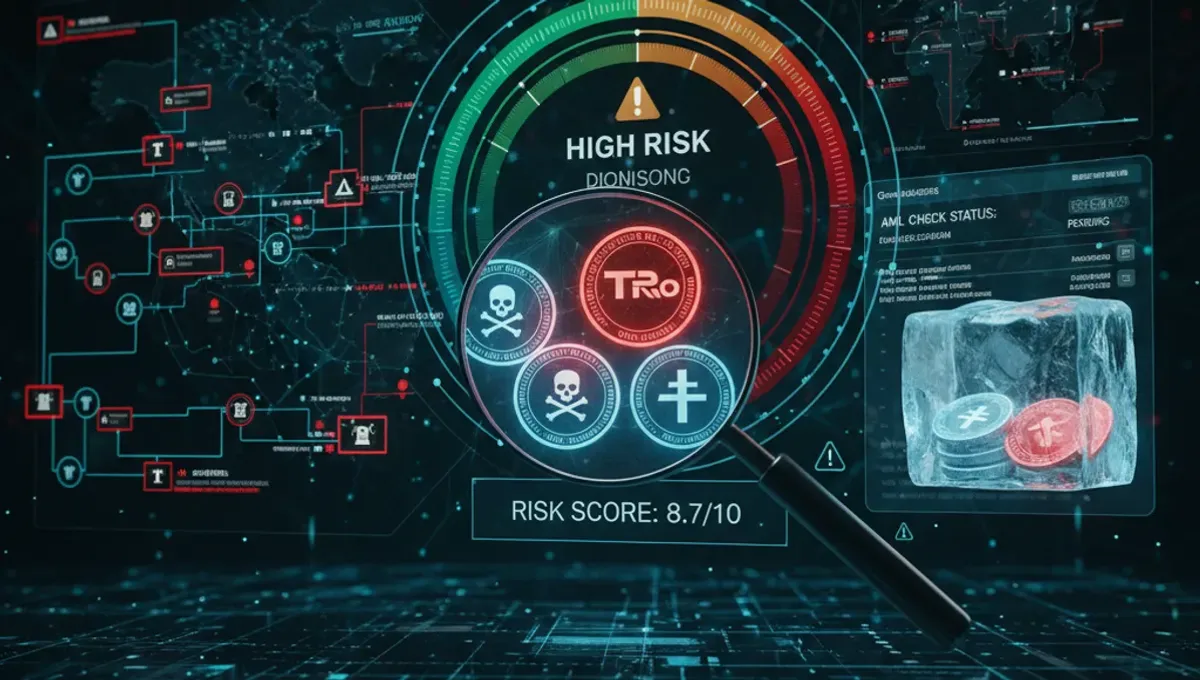
High Risk (51–100%): The wallet is directly linked to theft, ransomware, darknet markets, or sanctioned entities. Exchanges typically freeze or reject deposits from these wallets.
Most institutional and retail exchanges set their acceptance threshold at medium risk or below. Some conservative custodians only accept low-risk wallets. Your own risk tolerance depends on your jurisdiction, business model, and regulatory obligations. If you operate a crypto business, establish a clear policy: for example, reject any wallet scoring above 30%, or require additional due diligence for medium-risk wallets.
Common Risk Factors That Raise a Wallet's Score
Several behaviors and associations increase a wallet's risk score:
Mixer and Tumbler Usage: Wallets that send funds through mixing services are flagged because mixing is often used to obscure the origin of stolen or illicit funds.
Darknet Market Connection: Any direct or recent transaction with a known darknet marketplace address triggers a high-risk flag.
Ransomware or Theft Association: Wallets that received funds from known ransomware campaigns or theft incidents are marked as tainted.
Sanctioned Entity Links: If a wallet is connected to an individual, organization, or country on sanctions lists (OFAC, EU, UN), it scores very high risk.
Rapid Fund Movement: Wallets that receive and immediately move large amounts to multiple addresses may indicate money laundering.
Gambling Platform Exposure: Some jurisdictions or compliance frameworks flag gambling-related transactions as higher risk.
Stolen Exchange Credentials: Wallets funded from hacked exchange accounts carry elevated risk. Understanding these factors helps you recognize why a wallet scored high and decide whether to proceed.
What Happens If You Receive Tainted Coins?
If you deposit or hold cryptocurrency flagged as tainted, several consequences may follow:
Exchange Account Freeze: When you deposit tainted coins to an exchange, the platform's AML monitoring system detects the high-risk transaction. The exchange may freeze your account pending investigation, blocking you from withdrawing or trading.
Deposit Rejection: Some exchanges reject deposits from high-risk wallets outright, returning the funds or holding them in a suspended state.
Account Closure: Repeated deposits of tainted coins can result in permanent account closure and potential blacklisting from the exchange.
Regulatory Scrutiny: If you knowingly or negligently handle stolen or sanctioned funds, you may face legal liability depending on your jurisdiction.
Difficulty Converting to Fiat: Even if you move tainted coins to a different wallet, the risk score follows the funds. Converting to fiat currency becomes harder because banks and payment processors also run AML checks.
Reputational Damage: In business-to-business crypto transactions, being associated with tainted coins damages trust and future partnerships.
The best defense is to screen wallets before accepting funds and maintain clear documentation of your due diligence.
Best Practices for Crypto Wallet Screening
Implement these practices to minimize compliance risk:
Screen Every Significant Transaction: Run an AML check on any wallet sending you more than a threshold amount (e.g., $1,000 or your local equivalent).
Use Verified Services: Check wallets through trusted AML providers listed on our curated AML services page. These tools are regularly updated with the latest sanctions lists and darknet databases.
Document Your Checks: Keep records of every screening you perform, including the wallet address, risk score, timestamp, and your decision. This documentation protects you if regulators later question the transaction.
Set Clear Policies: Define your organization's acceptable risk threshold in writing. For example: reject wallets scoring above 30%, or require additional verification for medium-risk wallets.
Monitor Ongoing Risk: Some AML services offer continuous monitoring. If a wallet you previously accepted later becomes flagged, you receive an alert.
Educate Your Team: If you work in crypto compliance, ensure your team understands how to interpret risk scores and when to escalate concerns.
Stay Updated: Sanctions lists and darknet databases change frequently. Use services that update in real time rather than relying on static data.
Frequently asked questions
What is a good crypto wallet risk score?
A good crypto wallet risk score is typically in the low range (0–20%), indicating the wallet has a clean transaction history with no known association to theft, darknet activity, or sanctions. Most exchanges accept wallets scoring below 30%. Your acceptable threshold depends on your risk tolerance and regulatory requirements.
Can I improve a wallet's risk score?
A wallet's risk score is based on its historical transaction record on the blockchain, which cannot be altered. However, if a wallet was flagged due to outdated information or a false positive, some AML providers allow you to submit a dispute or request a manual review. Over time, as new clean transactions accumulate, the perceived risk may decrease.
How often should I run AML checks on crypto wallets?
Run an AML check before accepting any significant cryptocurrency transfer. If you receive regular payments from the same wallet, screen it once initially and then periodically (e.g., quarterly) to catch any new risk flags. Continuous monitoring services alert you automatically if a previously clean wallet becomes flagged.
Do all blockchains have the same risk scoring system?
Risk scoring principles are similar across blockchains (Bitcoin, Ethereum, Tron, etc.), but the specific data and models vary. Each blockchain has its own transaction history and entity clustering patterns. When checking a wallet, ensure the AML service supports the blockchain network you are using (TRC20 for Tron, ERC20 for Ethereum, etc.).
What should I do if a customer's wallet has a high risk score?
If a wallet scores high risk, decline the transaction or request an alternative wallet from the customer. Document your decision and the reason. If the customer disputes the score, you can escalate to the AML provider for manual review, but do not proceed with the transaction until the risk is resolved or accepted by your compliance policy.