What Is Crypto Wallet Screening and Why It Matters
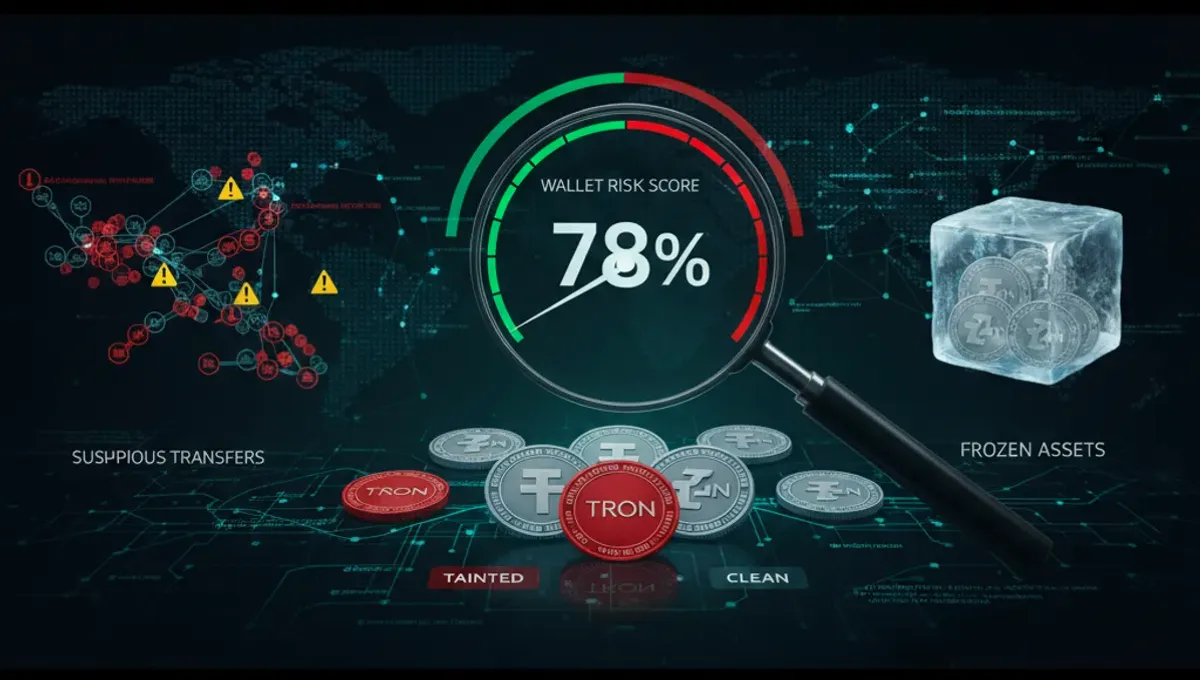
Crypto wallet screening examines the transaction history and behavior patterns of a blockchain address to assess compliance risk. Unlike traditional banking, blockchain transactions are permanent and traceable; once you receive tainted coins, they can be flagged by exchanges, frozen by authorities, or rejected by compliance systems. Screening reveals whether an address has received funds from high-risk sources: darknet markets, ransomware operations, Ponzi schemes, or sanctioned entities. A single deposit of tainted USDT can result in your exchange account being frozen, your funds locked, and your identity flagged in compliance databases. Screening is especially critical for TRX (Tron), USDT (stablecoin), and BTC addresses because these are the most heavily monitored by exchanges and regulators. By checking a wallet before you receive funds, you avoid downstream compliance problems and maintain a clean transaction history.
How Crypto Wallet AML Risk Scoring Works
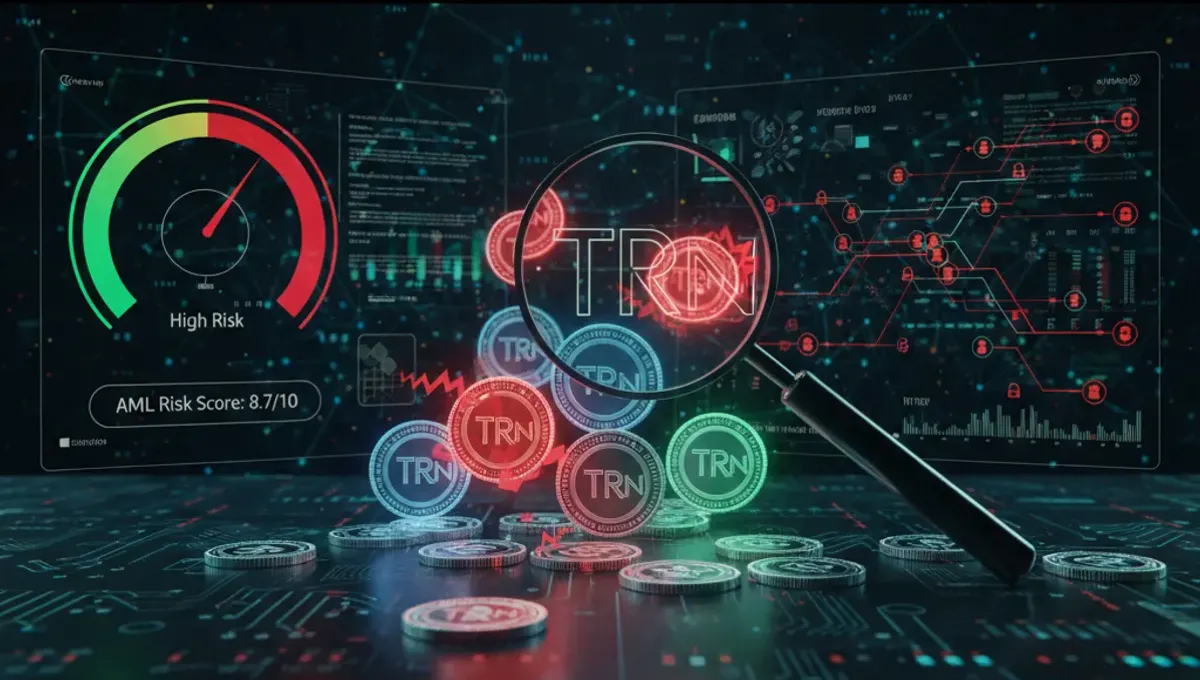
An AML risk score is a numerical rating (typically 0–100 or 0–10) that summarizes the compliance danger of a wallet address. Risk scores are calculated by analyzing: transaction frequency and volume, time since first activity, mixing service usage, connections to known darknet markets, presence on sanctions lists, and overlap with stolen-fund databases. A low score (0–20) indicates minimal risk: the address has clean transaction history and no known illicit connections. A medium score (21–60) suggests caution: the address may have received funds from mixers, gambling platforms, or unverified sources, but no confirmed criminal activity. A high score (61–100) signals serious risk: the address is linked to ransomware, theft, darknet markets, or sanctioned entities. Exchanges typically freeze accounts or reject deposits from addresses scoring above 70–80. Risk scores are not static; they update as new transaction data emerges. Understanding your score before receiving or sending funds is essential for compliance.
How to Check a Crypto Wallet for AML Risk
To check a crypto wallet, follow these steps:
1. Obtain the wallet address: Copy the full address (TRX, USDT, BTC, or ETH) you want to screen. Ensure it is correct; a single character error will return a different wallet.
2. Choose a screening service: Visit our curated list of verified AML services on the AML Services page. These tools are designed specifically for wallet screening and provide transparent risk reporting.
3. Enter the address: Paste the address into the screening tool's search field.
4. Review the risk report: The tool will return a risk score, flagged risk categories (mixer usage, darknet exposure, sanctions), transaction history summary, and any known associations.
5. Interpret the results: A low score means the wallet is safe to transact with. A medium score warrants further investigation. A high score should trigger rejection of the transaction.
6. Document the check: Save or export the report for compliance records, especially if you are a business or exchange operator.
This process takes 30 seconds to 2 minutes and provides immediate clarity on wallet safety.
Understanding Risk Categories in Wallet Screening
Wallet screening reports identify specific risk categories that explain why a score is high or low:
- Mixer usage: The address has sent or received funds through privacy mixers, which obscure transaction origins and are often used to launder illicit crypto.
- Darknet exposure: The wallet has transacted with known darknet market addresses or has received funds traced back to darknet sources.
- Ransomware: The address is linked to ransomware payment wallets or has received proceeds from extortion campaigns.
- Theft: Funds in the wallet originate from confirmed theft, hacking, or exchange breaches.
- Sanctions: The address is associated with individuals or entities on OFAC, EU, or UN sanctions lists.
- Gambling: The wallet has received funds from or sent funds to gambling platforms; some exchanges flag this as medium risk.
- Scam: The address is linked to Ponzi schemes, rug pulls, or investment fraud.
- Stolen exchange credentials: The wallet received funds from a compromised exchange account.
Each category carries different weight in the overall risk score. Sanctions and ransomware are typically weighted highest because they carry legal consequences.
What to Do If Your Wallet Is Flagged as High Risk
If a wallet screening reveals a high risk score, take these steps:
1. Do not deposit or withdraw: Avoid sending funds to or from the flagged address until you understand the source of the risk.
2. Investigate the source: Review the wallet's transaction history to identify which specific activity triggered the flag. If you received funds from an unknown source, trace the sender.
3. Contact the sender: If you received tainted coins, ask the sender to re-send funds from a clean address. Legitimate parties will understand and comply.
4. Report to your exchange: If you hold the flagged wallet on an exchange, notify compliance immediately. Transparency often prevents account freezes.
5. Use a new address: For future transactions, generate a fresh wallet address with no prior activity. This resets your compliance profile.
6. Avoid mixers: Do not attempt to obscure the wallet's history by using privacy mixers; this increases legal risk and triggers stronger compliance flags.
7. Consult a compliance expert: If the flag involves sanctions or ransomware, seek legal advice before moving funds.
In most cases, high-risk flags are recoverable if the source is legitimate and you act transparently.
Acceptable Risk Score Thresholds for Transactions
Different contexts require different risk tolerance:
- Personal peer-to-peer transfers: A score below 40 is generally acceptable. You are transacting with individuals, not institutions, so compliance pressure is lower.
- Receiving payments from businesses or freelancers: Aim for a score below 30. Business senders should maintain clean wallets.
- Depositing to an exchange: Most exchanges reject deposits from addresses scoring above 70–80. Check your exchange's policy. A score below 50 is safe; 50–70 may trigger manual review.
- Sending to an exchange: Exchanges monitor outbound transfers. A score below 40 is ideal; above 60 may result in account restrictions.
- Holding for long-term investment: A score below 20 is preferred. Over time, even medium-risk wallets may accumulate additional flags.
- Business or compliance role: Maintain a score below 10. Any medium or high-risk activity can damage your professional reputation and trigger regulatory scrutiny.
These thresholds are guidelines, not absolutes. Your risk tolerance depends on your jurisdiction, the amount of crypto involved, and your compliance obligations.
Avoiding Tainted Coins: Best Practices for Wallet Screening
To minimize the risk of receiving tainted crypto, adopt these practices:
1. Screen before you receive: Ask the sender for their wallet address and run a crypto wallet aml check before accepting funds. This is the single most effective prevention step.
2. Use verified sources only: Receive crypto only from individuals or businesses you trust or from verified platforms (exchanges, payment processors). Avoid random offers or unsolicited transfers.
3. Request clean addresses: If a sender's wallet is flagged, ask them to send from a different address. Legitimate senders will have clean wallets available.
4. Document all checks: Keep records of every wallet screening you perform. If a compliance issue arises later, documentation proves due diligence.
5. Monitor your wallet: Periodically re-screen your own wallet to detect if new risk flags have emerged due to incoming transfers.
6. Educate your network: If you receive crypto from others, teach them to screen wallets too. Collective vigilance reduces tainted coin circulation.
7. Use trusted screening services: Rely on the verified AML check services listed on our AML Services page. These tools use blockchain analytics and sanctions databases to provide accurate, up-to-date risk assessments.
These practices are especially important for USDT and TRX, which are heavily used in high-volume transactions and closely monitored by compliance teams.
Frequently asked questions
How do I check if a crypto wallet is safe before receiving USDT or TRX?
Use a dedicated crypto wallet screening service to analyze the address. Enter the wallet address, review the AML risk score and flagged categories (mixer usage, darknet exposure, sanctions), and check the transaction history. A score below 40 is generally safe for peer-to-peer transfers. Visit our AML Services page for verified screening tools.
What does a high crypto wallet risk score mean?
A high risk score (typically 61–100) indicates the wallet has received or sent funds linked to ransomware, theft, darknet markets, sanctioned entities, or mixers. Exchanges often freeze accounts or reject deposits from high-risk wallets. Do not transact with a flagged address until you investigate the source and confirm legitimacy.
Can I remove a high AML risk score from my wallet?
You cannot directly remove a score, but you can reduce future risk by using a new wallet address for clean transactions. If your wallet was flagged due to receiving tainted coins, ask the sender to re-send from a clean address. For business accounts, contact your exchange's compliance team to explain the source and request manual review.
Why do exchanges freeze accounts with tainted USDT?
Exchanges are required by law to comply with AML and sanctions regulations. If they detect that a deposit contains tainted coins (linked to crime, ransomware, or sanctions), they must freeze the account and report it to authorities. This protects the exchange from legal liability and regulatory penalties.
Is crypto wallet screening free?
Many screening services offer free basic checks with limited detail. Premium reports (full transaction history, detailed risk breakdown, historical data) typically require payment. For most personal users, free screening is sufficient. Check our AML Services page for options that match your needs and budget.