What Are the Main Types of Sanctions Screening?
Sanctions screening falls into four primary categories. OFAC sanctions screening targets individuals and entities on the US Treasury's Office of Foreign Assets Control lists, including Specially Designated Nationals (SDNs) and blocked persons. Sectoral sanctions restrict transactions with specific industries in designated countries—for example, Russian energy or financial sectors. Geographic sanctions apply blanket restrictions to entire countries or regions, such as Iran, North Korea, or Syria. Entity-specific designations target particular organizations, shell companies, or terrorist-linked groups. In crypto, wallet screening services check addresses against all four types to detect if funds originate from or flow to sanctioned sources. This multi-layered approach prevents compliance violations and protects users from receiving frozen or blacklisted coins.
How Do OFAC Sanctions Screening Requirements Apply to Crypto?
OFAC sanctions screening requirements mandate that financial institutions, including crypto exchanges and custodians, screen customers and transactions against OFAC lists before processing. In crypto, this means exchanges must verify wallet addresses during deposits and withdrawals. If a deposit address is flagged as connected to a sanctioned entity, the exchange will freeze the transaction and potentially lock the account. OFAC screening is not optional for regulated platforms; it is a legal requirement in the United States. For individual users, understanding OFAC rules helps avoid unknowingly receiving sanctioned funds. Crypto wallet screening tools now integrate OFAC data to alert users if their address has received funds from blocked sources. This proactive approach reduces the risk of account suspension and ensures compliance with US regulations, even for decentralized wallet holders.
What Is Crypto Wallet Screening and How Does It Work?
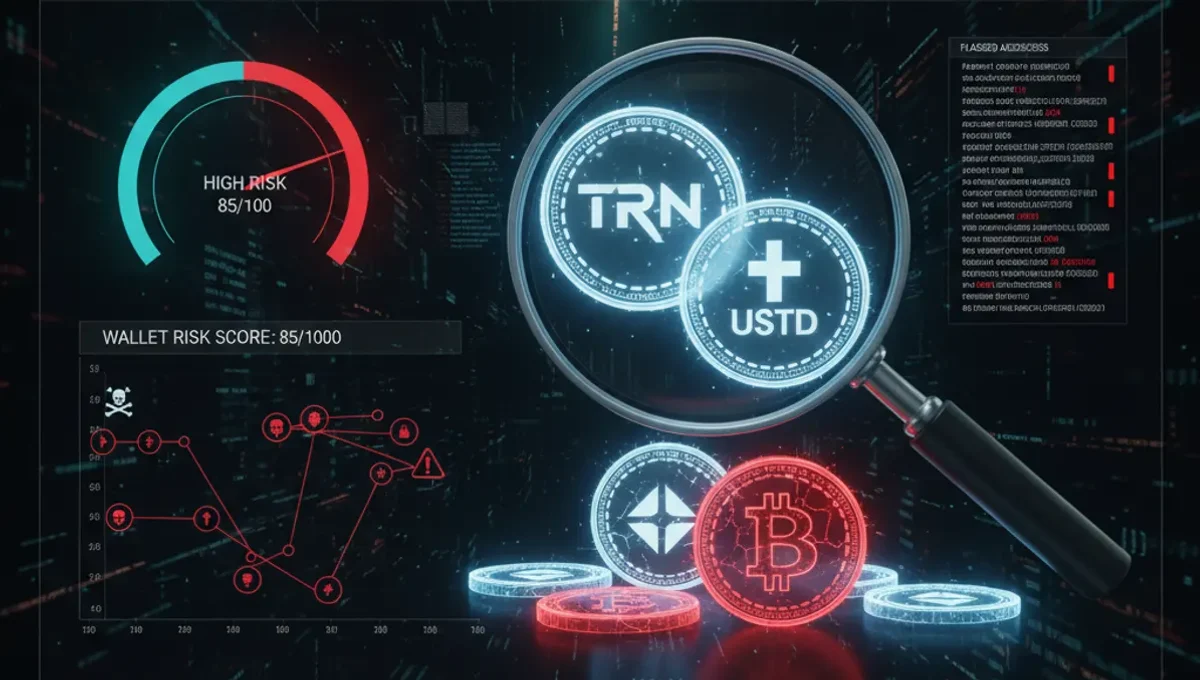
Crypto wallet screening is the process of analyzing a blockchain address to detect compliance risks, including sanctions exposure, darknet connections, and tainted coin history. The screening works by cross-referencing wallet addresses against multiple databases: OFAC SDN lists, international sanctions registers, known darknet market addresses, mixer services, and theft reports. When you screen a TRX, USDT, BTC, or ETH address, the service traces transaction history and identifies patterns—such as deposits from gambling platforms, stolen funds, or sanctioned entities. The result is typically a risk score (low, medium, high, critical) and a detailed report showing which risk categories apply. Fake crypto wallet screening services exist; they may claim to check wallets but lack access to real sanctions data or blockchain analytics. Using verified AML services listed on trusted platforms ensures you receive accurate, compliance-grade screening rather than unreliable results.
Fake Crypto Wallet Screening vs. Legitimate Services
Fake crypto wallet screening services often promise instant results without real blockchain analysis or sanctions database access. Red flags include vague risk scores with no supporting data, no mention of specific sanctions lists or darknet markers, and services that charge unusually low fees for compliance-grade screening. Legitimate services provide detailed reports showing which specific sanctions lists were checked, transaction history analysis, mixer involvement detection, and darknet exposure flags. They also clearly state their data sources and update frequencies. Legitimate services integrate with official OFAC lists, international sanctions registers, and blockchain forensics firms. When choosing a wallet screening tool, verify that it explicitly covers OFAC sanctions screening requirements and provides transparent methodology. Checking wallets through trusted, verified AML services ensures you receive compliance-grade results that hold up under regulatory scrutiny, rather than relying on unverified tools that may miss critical risks or provide false negatives.
What Risk Categories Does Sanctions Screening Detect?
Sanctions screening detects multiple overlapping risk categories beyond government sanctions lists. Darknet exposure flags addresses that have received funds from known darknet markets, which often involve illegal goods or services. Mixer involvement indicates that coins have passed through privacy mixers, obscuring their origin and raising compliance concerns. Stolen funds are flagged when coins are traced to confirmed theft or fraud cases. Scam proceeds are detected when addresses receive funds from known scam operations. Gambling platform connections appear when coins flow from or to gambling services in restricted jurisdictions. Sanctioned entity connections show if funds have touched addresses linked to individuals or organizations on OFAC or international sanctions lists. A comprehensive wallet screening report will itemize which of these categories apply to a given address, allowing you to assess whether receiving or sending coins to that address poses compliance risk. Understanding these categories helps you make informed decisions about which transactions to accept or decline.
How to Check a Wallet Before Receiving USDT or TRX
Before receiving USDT, TRX, BTC, or ETH from an unknown source, follow these steps to screen the sender's wallet. First, obtain the sender's full wallet address and verify it is correct—typos can lead to sending coins to the wrong address. Second, use a verified AML service to screen the address for sanctions exposure, darknet connections, and tainted coin history. Third, review the risk score and detailed report: acceptable risk thresholds typically range from low to medium for most use cases, while high or critical scores warrant additional investigation or rejection. Fourth, if the report flags specific concerns—such as recent darknet activity or sanctioned entity connections—contact the sender to clarify the source of their funds. Fifth, if you operate an exchange or custody service, document the screening result for compliance records. For individual users, a low or medium risk score generally indicates safe receipt. High-risk addresses should be declined unless you have strong reason to trust the sender and understand the source of their funds. Using trusted AML services ensures your screening is based on current sanctions data and blockchain forensics, not outdated or unreliable information.
What Happens When Coins Are Flagged as Tainted or Sanctioned?
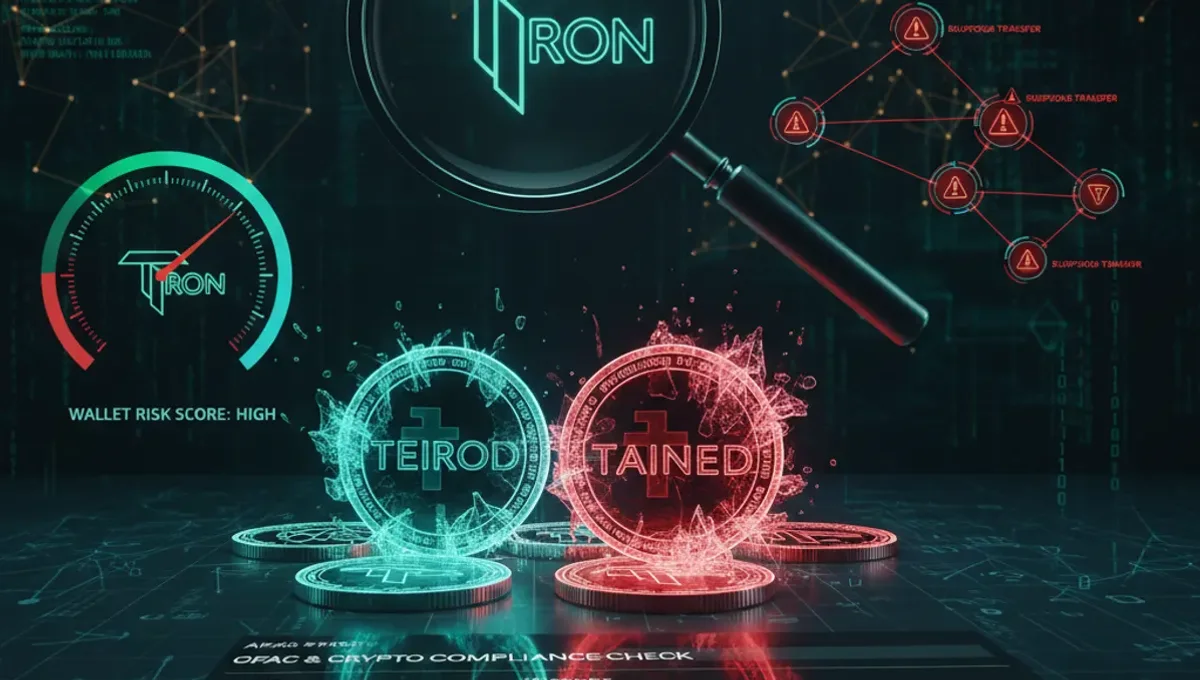
When coins are flagged as tainted—meaning they have darknet exposure, mixer involvement, or sanctioned entity connections—several consequences can occur. If you deposit flagged coins to an exchange, the platform may freeze your account pending investigation. Exchanges are required to comply with OFAC sanctions screening requirements and will not allow withdrawal or trading of flagged funds. In some cases, exchanges report suspicious activity to financial regulators, which can trigger additional scrutiny. If you hold flagged coins in a personal wallet, you retain technical control, but you may face difficulty converting them to fiat currency through regulated exchanges. Some decentralized platforms also implement wallet screening and may restrict interaction with flagged addresses. To avoid this situation, screen wallets before receiving funds and decline transactions from high-risk sources. If you have already received flagged coins, contact the exchange or service that flagged them to understand the specific issue and determine next steps. In some cases, the flag may be a false positive or may resolve after the coins are no longer associated with the original risk source.
Frequently asked questions
What is the difference between OFAC and other sanctions screening types?
OFAC sanctions screening is US-specific and targets individuals and entities on Treasury lists. Other types include sectoral sanctions (targeting industries in specific countries), geographic sanctions (entire country restrictions), and entity-specific designations (particular organizations). Crypto wallet screening typically checks against all types to provide comprehensive compliance coverage.
Can I receive USDT or TRX from a sanctioned address?
Technically yes, but it carries significant risk. If you deposit sanctioned coins to an exchange, your account may be frozen pending investigation. Exchanges must comply with OFAC sanctions screening requirements and will not process flagged funds. It is safer to screen addresses before receiving and decline high-risk transactions.
How often are sanctions screening databases updated?
OFAC lists are updated regularly, sometimes daily. Legitimate crypto wallet screening services update their sanctions data frequently to reflect new designations. Fake services may use outdated lists. Verified AML services on trusted platforms maintain current data and provide transparent update schedules.
What risk score should I accept when screening a wallet?
Low risk scores are safe for most transactions. Medium risk may be acceptable if you understand the specific concern and trust the source. High or critical scores warrant investigation or rejection. Always review the detailed report to understand which risk categories apply before deciding whether to proceed.
Does fake crypto wallet screening actually work?
Fake services often provide generic or inaccurate results without real sanctions database access or blockchain analysis. They may miss critical risks or generate false negatives. Using verified, compliance-grade AML services ensures accurate screening based on current OFAC lists and blockchain forensics data.