What Is a Tron Wallet Address and How Do You Find It?
A Tron wallet address is a unique identifier on the Tron blockchain, typically starting with 'T' and consisting of 34 alphanumeric characters. It functions like a bank account number for TRX and TRC20 tokens such as USDT. You can find your Tron wallet address in your wallet application (TronLink, Ledger, MetaMask with Tron support, or exchange accounts). The address is public; sharing it allows others to send you funds. To locate it, open your wallet, look for a 'Receive' or 'Account' section, and copy the address displayed. Some wallets generate a QR code for convenience. Keep your private key or seed phrase secure—never share these, as they grant full control over the wallet.
How to Check Tron Wallet Balance Using a Blockchain Explorer
The simplest way to check a Tron wallet address balance is through a public blockchain explorer. Tronscan is the primary explorer for the Tron network. Steps:
- Visit Tronscan.org.
- Paste the Tron wallet address into the search bar at the top.
- Press Enter. The explorer displays the wallet's TRX balance, TRC20 token holdings (including USDT), transaction history, and account creation date. You can see incoming and outgoing transfers, token transfers, and smart contract interactions. This method works for any Tron address—your own or someone else's—since blockchain data is public. No login or authentication is required. The balance updates in real time as transactions are confirmed on the network.
Why Check Tron Address for AML Risk Before Receiving Funds?
Receiving TRX or USDT from a compromised or high-risk address can expose you to compliance problems, exchange account freezes, and legal complications. Risk categories include: funds from darknet marketplaces, stolen cryptocurrency, sanctioned entities, mixing services, and scam operations. Exchanges and custodians perform transaction monitoring and may flag or freeze accounts holding tainted coins. An AML check on a Tron address reveals whether it has been linked to these risk factors. Performing due diligence before accepting a transfer protects your reputation and prevents your own funds from being frozen. This is especially critical for businesses, traders, and anyone holding significant balances.
How to Perform an AML Check on a Tron Address
An AML check screens a Tron wallet address against risk indicators and generates a risk score. Steps:
- Gather the Tron address you want to check.
- Use a dedicated crypto wallet screening service—our curated AML Services page lists verified providers that support TRX and USDT address checks.
- Enter the address into the tool.
- The service analyzes the address's transaction history, counterparty exposure, and connection to known risk sources.
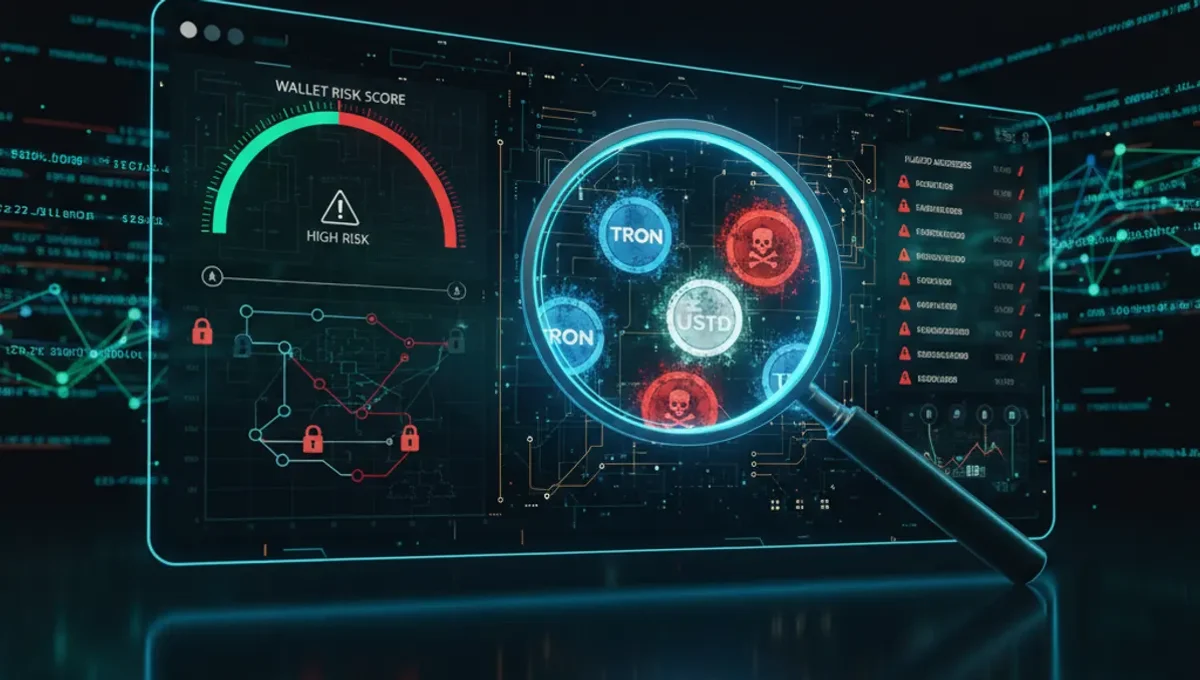
- You receive a risk score (typically Low, Medium, or High) and a detailed report. The report identifies specific risk factors: darknet exposure, sanctions list matches, mixer usage, or stolen fund indicators. Some services offer free checks with limited detail; others charge per scan. For ongoing compliance, consider services offering batch checks or API access.
Understanding Tron Wallet Risk Scores and What They Mean
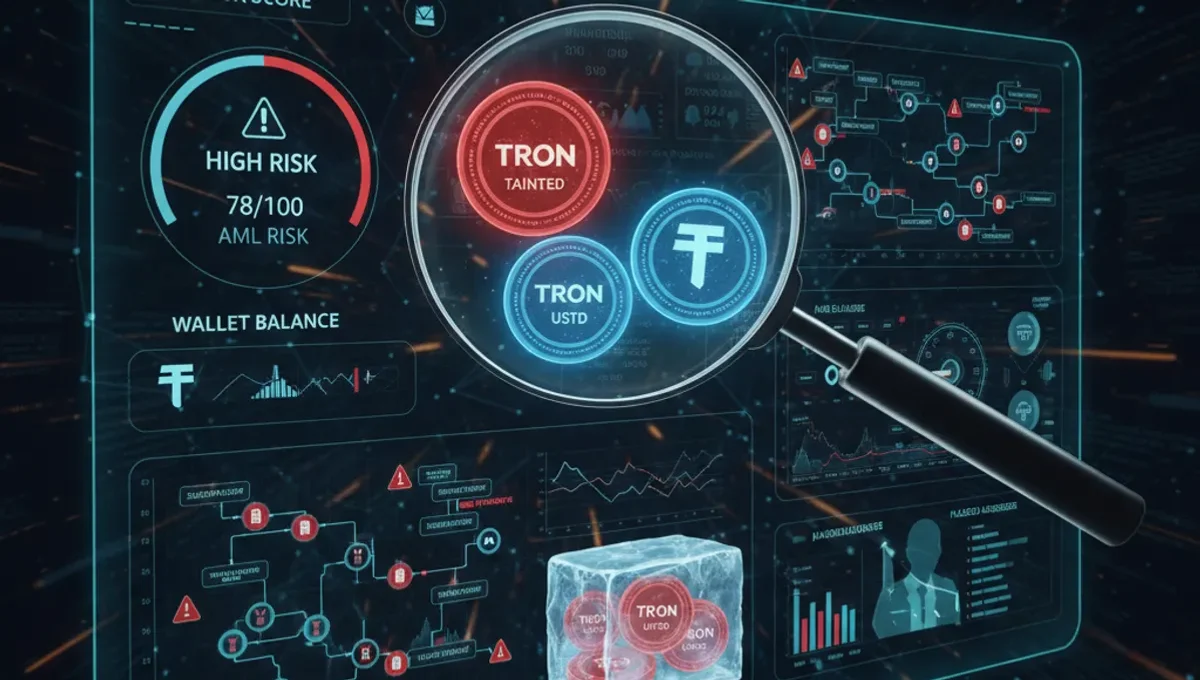
A risk score quantifies the likelihood that a Tron address or its funds are associated with illicit activity or regulatory concern. Scoring typically ranges from 0 (clean) to 100 (high risk), or uses categorical labels: Low (0–30), Medium (31–70), High (71–100). Low-risk addresses have minimal or no connection to known risk sources. Medium-risk addresses may have indirect exposure—for example, received funds from an exchange or service with some flagged activity. High-risk addresses show direct links to darknet markets, theft, sanctions, or mixing services. When receiving USDT or TRX, a Low-risk score is generally acceptable. Medium-risk requires investigation of the specific factors. High-risk addresses should be avoided unless you have confirmed legitimate context. Exchange policies vary; some freeze accounts holding Medium or High-risk funds.
What to Do If a Tron Address Shows High AML Risk
If you've identified a high-risk Tron address before receiving funds, do not accept the transfer. If you've already received high-risk TRX or USDT:
- Document the transaction and source.
- Contact your exchange or custodian to report the deposit and request guidance.
- Do not attempt to hide or move the funds; this may worsen compliance issues.
- Cooperate with any investigation.
- Consider consulting a compliance or legal advisor if the amount is significant. Exchanges may freeze accounts holding tainted coins, but cooperation and transparency improve outcomes. Some jurisdictions allow recovery of stolen funds if you can prove you received them unknowingly. Proactive AML checks before accepting transfers eliminate this risk entirely.
Best Practices for Checking Tron Wallets Before Transactions
Establish a routine:
- Before accepting any significant TRX or USDT transfer, request the sender's Tron wallet address.
- Check the address balance and transaction history on Tronscan to confirm legitimacy.
- Perform an AML risk check using a service from our verified AML Services list.
- Review the risk score and report details.
- Ask the sender to explain any medium or high-risk flags if needed.
- Only proceed if satisfied. For businesses and frequent traders, use batch screening tools or API integrations for efficiency. Keep records of all checks performed. This due diligence protects you from frozen accounts, regulatory scrutiny, and reputational damage. The small time investment upfront prevents costly problems later.
Frequently asked questions
Can I check a Tron wallet balance without owning the wallet?
Yes. Tron wallet addresses and balances are public on the blockchain. Use Tronscan.org, paste any Tron address into the search bar, and view its balance, token holdings, and transaction history. No login or permission is required. This transparency is a feature of public blockchains.
What does a high AML risk score mean for a Tron address?
A high AML risk score indicates the address or its funds are linked to darknet activity, theft, sanctions, or mixing services. Receiving USDT or TRX from a high-risk address can trigger exchange freezes or compliance issues. Avoid accepting transfers from high-risk addresses unless you have verified legitimate context.
How often should I check Tron addresses for AML risk?
Check before every significant transaction. For businesses and traders, perform checks on all incoming addresses. Some services offer continuous monitoring. One-time checks are sufficient for personal use; repeat checks are needed only if the address's activity changes or if you're tracking a counterparty over time.
Are free Tron AML checks reliable?
Free checks offer basic risk screening but may lack depth. Paid services provide detailed reports, sanctions list matching, and darknet exposure analysis. For critical transactions, use a verified paid service from our AML Services page. Free tools are useful for quick initial screening.
What is the difference between checking balance and checking AML risk?
Checking balance shows how much TRX or USDT a wallet holds using a blockchain explorer. AML checking screens the address against risk indicators—darknet links, theft, sanctions—and generates a compliance risk score. Both are important: balance confirms funds exist; AML risk confirms they're not tainted.