What Counts as Suspicious Activity in Crypto AML
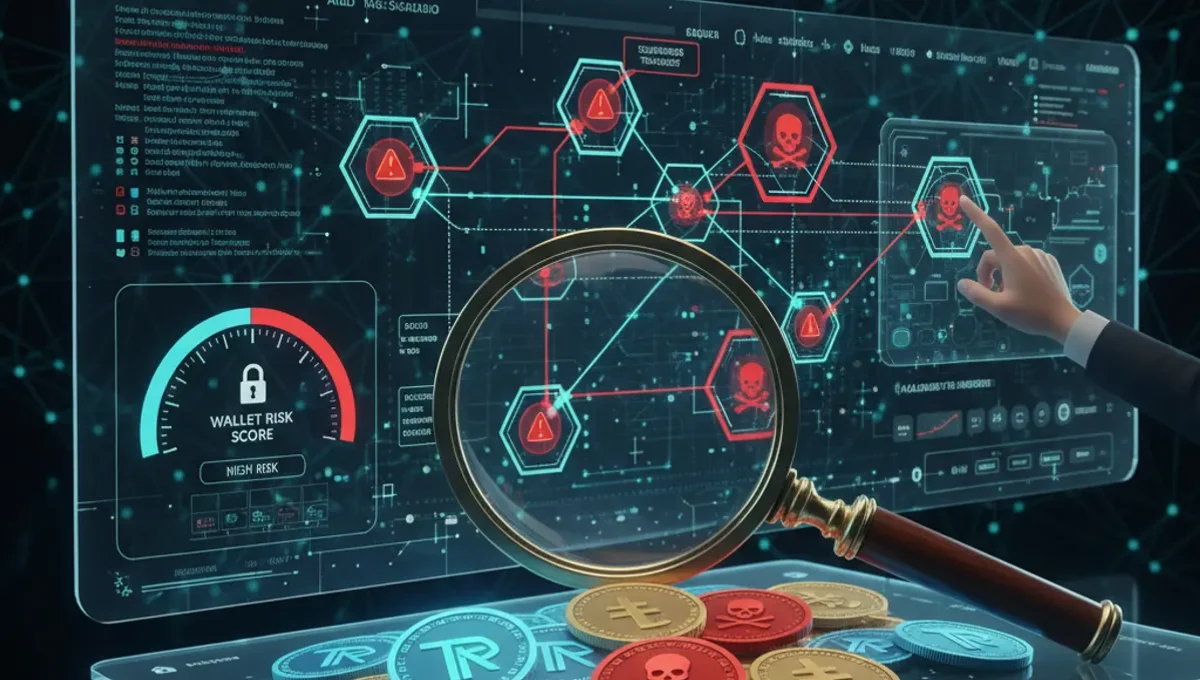
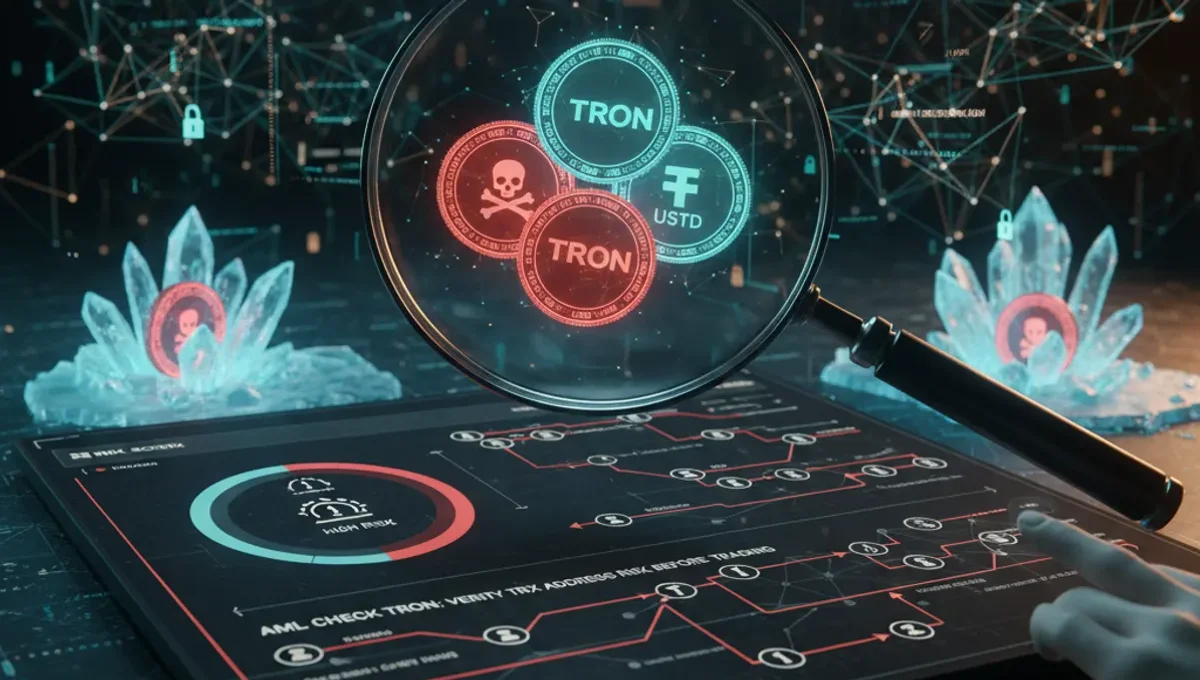
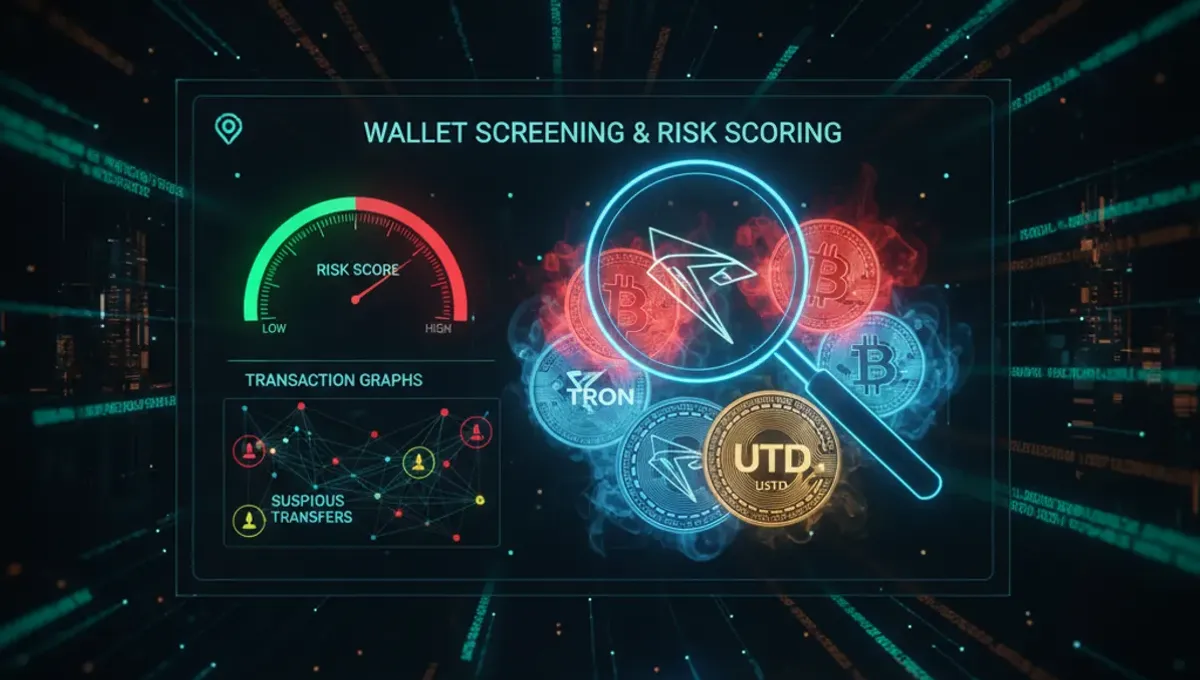
Suspicious activity in AML crypto checks covers behaviors that deviate from normal transaction patterns or connect to known illicit sources. These include: funds flowing through cryptocurrency mixers designed to obscure origin; wallet addresses linked to darknet marketplaces; rapid consolidation or splitting of funds across multiple wallets; transactions to or from sanctioned jurisdictions or entities; sudden large transfers after dormancy; and coins originating from theft, ransomware, or fraud. Each pattern raises different risk levels. An AML check fee typically covers screening against these categories. The AML check process compares your wallet's transaction history and counterparties against blockchain analytics databases and sanctions lists to flag exposure.
Coin Mixing and Tumbler Exposure
Cryptocurrency mixers and tumblers are services designed to obscure the origin of funds by combining and redistributing coins across multiple addresses. Receiving USDT or TRX that has passed through a mixer is a major red flag in AML checks because it suggests deliberate obfuscation. Even if the original source was legitimate, the mixing itself indicates an attempt to break the transaction trail. Blockchain analytics tools detect mixer participation by identifying characteristic patterns: rapid movement to a known mixer address, followed by withdrawal to unrelated addresses. An AML check requirements typically include screening for mixer exposure. If your wallet receives coins from a mixer, your risk score rises significantly, and exchanges may freeze the funds pending investigation.
Darknet Market and Illegal Marketplace Connections
Darknet markets are online platforms operating on encrypted networks where illicit goods and services are traded. Wallets receiving funds from or sending funds to darknet marketplace addresses trigger immediate AML alerts. These markets facilitate drug trafficking, weapons sales, stolen data, and other criminal activity. Blockchain analytics firms maintain databases of known darknet market addresses across Bitcoin, Ethereum, USDT, and TRC20 networks. If your TRX or USDT address receives even a small amount from a flagged darknet address, an AML check will detect it and assign high risk. Exchanges use this data to freeze accounts automatically. The AML check fee covers this level of screening because darknet exposure is one of the highest-risk categories.
Stolen Funds and Ransomware Payments
Stolen cryptocurrency originates from exchange hacks, wallet compromises, or fraud schemes. Ransomware payments—funds sent by victims to attackers—are tracked by law enforcement and blockchain analysts. Receiving coins that originated from theft or extortion is illegal in many jurisdictions and guarantees a failed AML check. Blockchain analytics platforms track theft incidents and maintain lists of compromised addresses. When you run an AML check on a wallet, the system cross-references its transaction history against known theft sources. If your address received funds from a hacked exchange or a ransomware payment address, your risk score becomes critical, and you will not be able to deposit or withdraw on compliant exchanges. The AML check requirements for exchanges now include mandatory screening for stolen funds.
Sanctions and High-Risk Jurisdiction Exposure
Sanctions lists maintained by governments (OFAC in the US, EU sanctions registers, and others) identify individuals, entities, and countries subject to financial restrictions. Transacting with sanctioned addresses or sending funds to high-risk jurisdictions is illegal and triggers immediate AML flags. Cryptocurrency exchanges must screen all wallets against these lists as part of their AML check process. If your wallet has received funds from or sent funds to a sanctioned address, your account will be frozen. Even indirect exposure—receiving coins that previously touched a sanctioned address—can raise your risk score. The AML check requirements for compliance include real-time screening against updated sanctions lists. Jurisdiction-specific restrictions vary; some countries prohibit all crypto activity, while others restrict only certain asset classes.
How to Check a Wallet Before Receiving Crypto
Before accepting USDT, TRX, or BTC from a counterparty, run an AML check on their wallet address. Steps:
- Obtain the sender's wallet address in full.
- Visit a trusted AML check service (our curated AML Services list on this site includes verified providers).
- Enter the address and select the blockchain (Tron for TRX, Ethereum for USDT, Bitcoin for BTC).
- Review the risk score and detailed report.
- Check for specific red flags: mixer exposure, darknet connections, stolen funds, sanctions.
- Decide whether to accept the transfer based on acceptable risk thresholds. An AML check fee ranges depending on the service; many offer free basic checks with limited detail. The AML check requirements for institutional users are stricter and often require paid, comprehensive screening. If the risk score is high, decline the transfer or escalate to compliance.
Understanding Risk Score Levels and Acceptable Thresholds
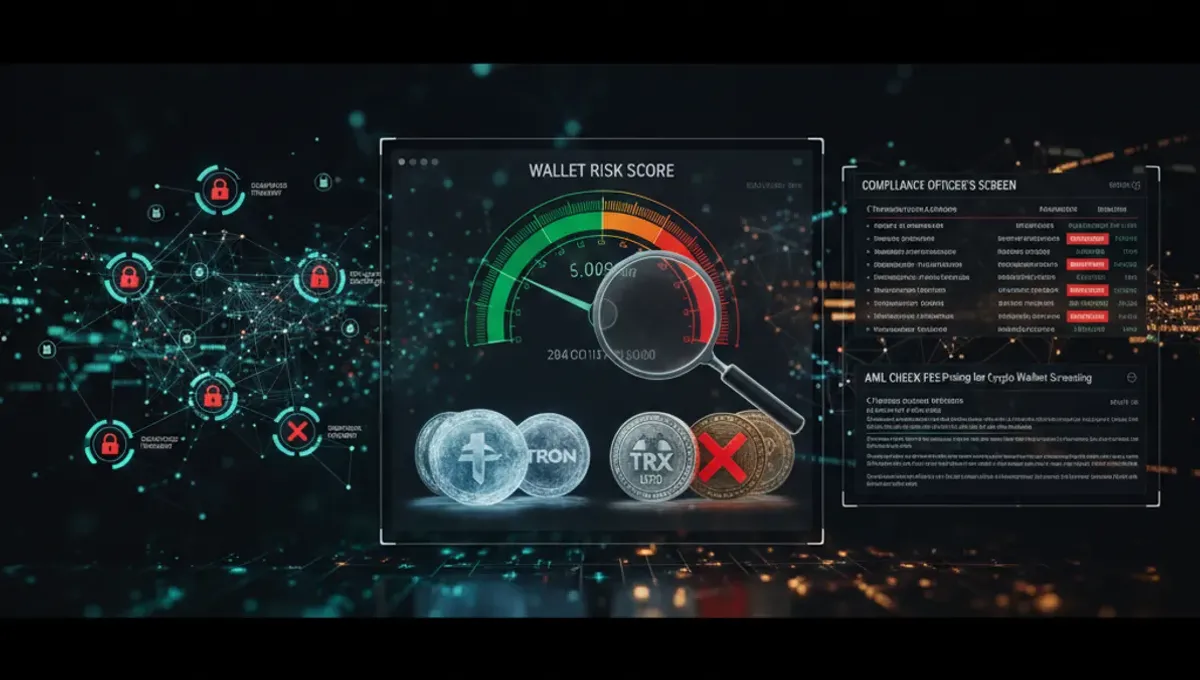
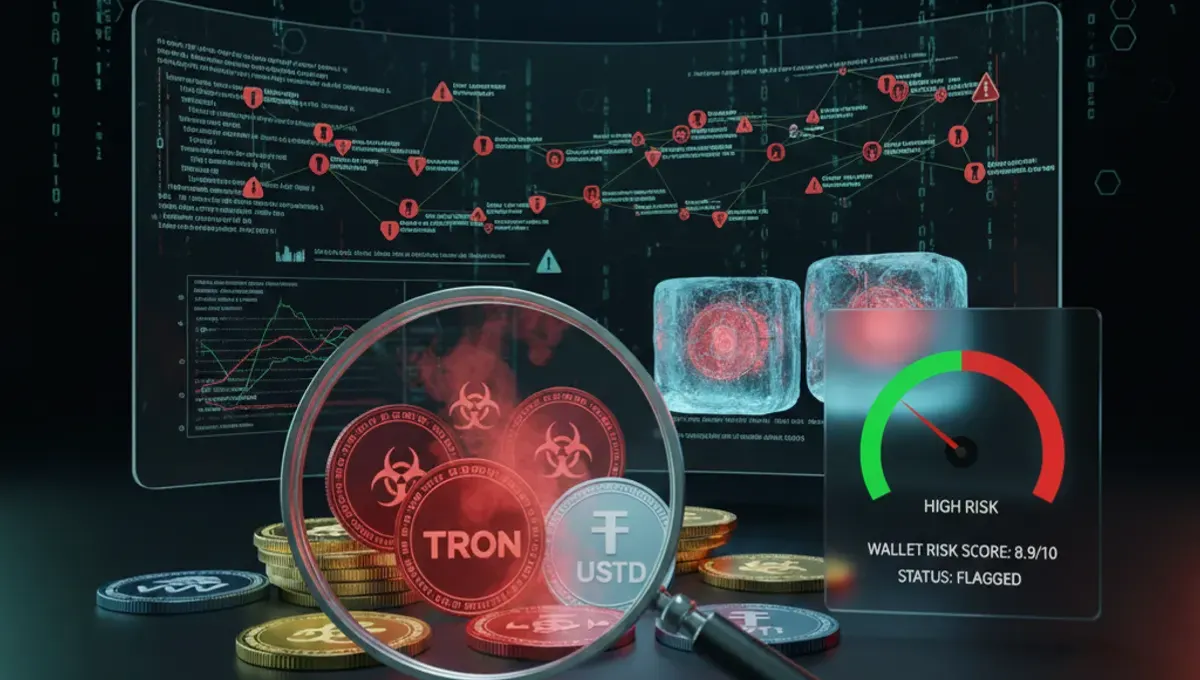
AML risk scores typically range from 0 (no risk) to 100 (critical risk). A score below 20 is generally acceptable for most transactions. Scores 20–50 indicate moderate risk: possible mixer exposure or transactions to high-risk regions, but not necessarily criminal. Scores 50–80 suggest significant concern: darknet exposure, sanctions proximity, or stolen fund traces. Scores above 80 are critical and should be rejected. Acceptable thresholds depend on your use case: retail users should avoid anything above 30; institutional exchanges enforce stricter limits, often rejecting scores above 10. The AML check process generates these scores by weighing multiple factors: transaction history, counterparty reputation, geographic exposure, and behavioral anomalies. Your exchange may freeze USDT or TRX if you deposit coins with a high risk score, so always check before transacting.
Frequently asked questions
What happens if I receive USDT from a wallet with high AML risk
Your exchange may freeze the funds pending investigation. If the coins are linked to theft, sanctions, or darknet activity, they may be permanently seized. You could face account restrictions or closure. Always run an AML check on the sender's address before accepting large transfers to avoid this.
Can I remove my wallet from AML blacklists
No. Once coins are flagged as tainted or linked to illegal activity, they remain flagged on the blockchain permanently. You cannot clean or whitelist them. The only option is to avoid receiving such coins in the first place by screening counterparties before transactions.
How often do AML databases update with new suspicious addresses
Major blockchain analytics firms update their databases continuously, often within hours of detecting new theft, ransomware, or sanctions violations. Exchanges refresh their screening tools daily or in real-time. This means a wallet can shift from low-risk to high-risk status quickly if new activity is detected.
Is mixing cryptocurrency illegal
Mixing itself is not illegal in most jurisdictions, but using it to obscure the origin of stolen or illicit funds is. Receiving coins from a mixer is treated as suspicious by exchanges and regulators because it suggests intent to hide the source, triggering AML flags and account freezes.
What is an acceptable AML risk score for receiving crypto
Below 20 is generally safe for retail transactions. Scores 20–50 warrant caution; 50+ should be rejected. Institutional exchanges enforce stricter thresholds, often rejecting anything above 10. Always check your exchange's specific AML check requirements before depositing.